 Instalab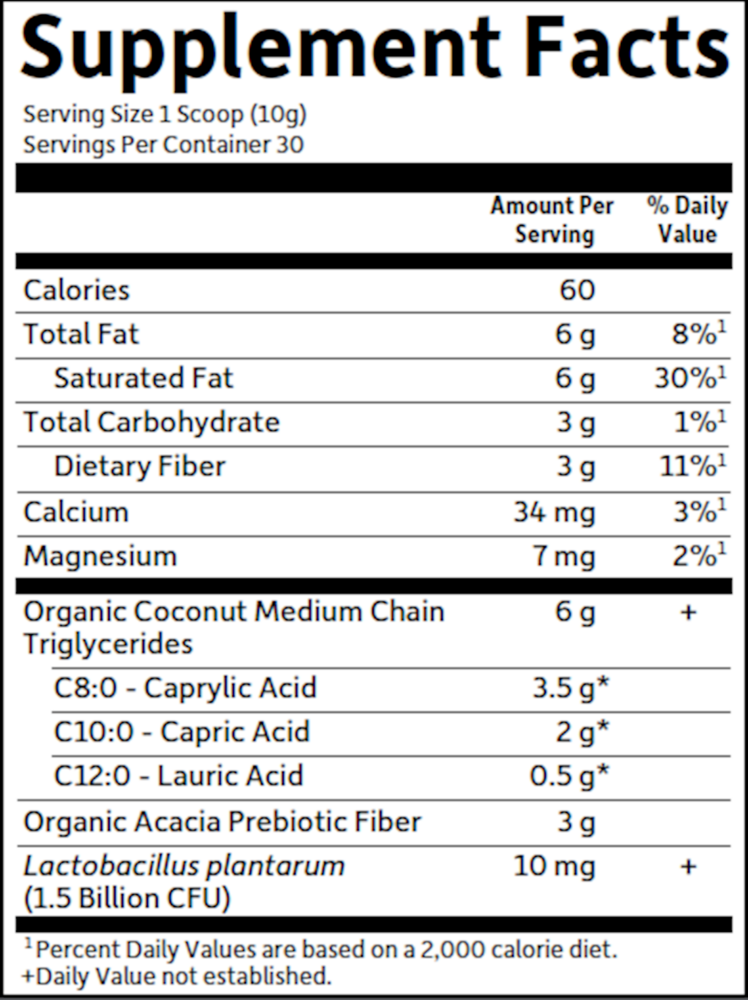

Garden of Life
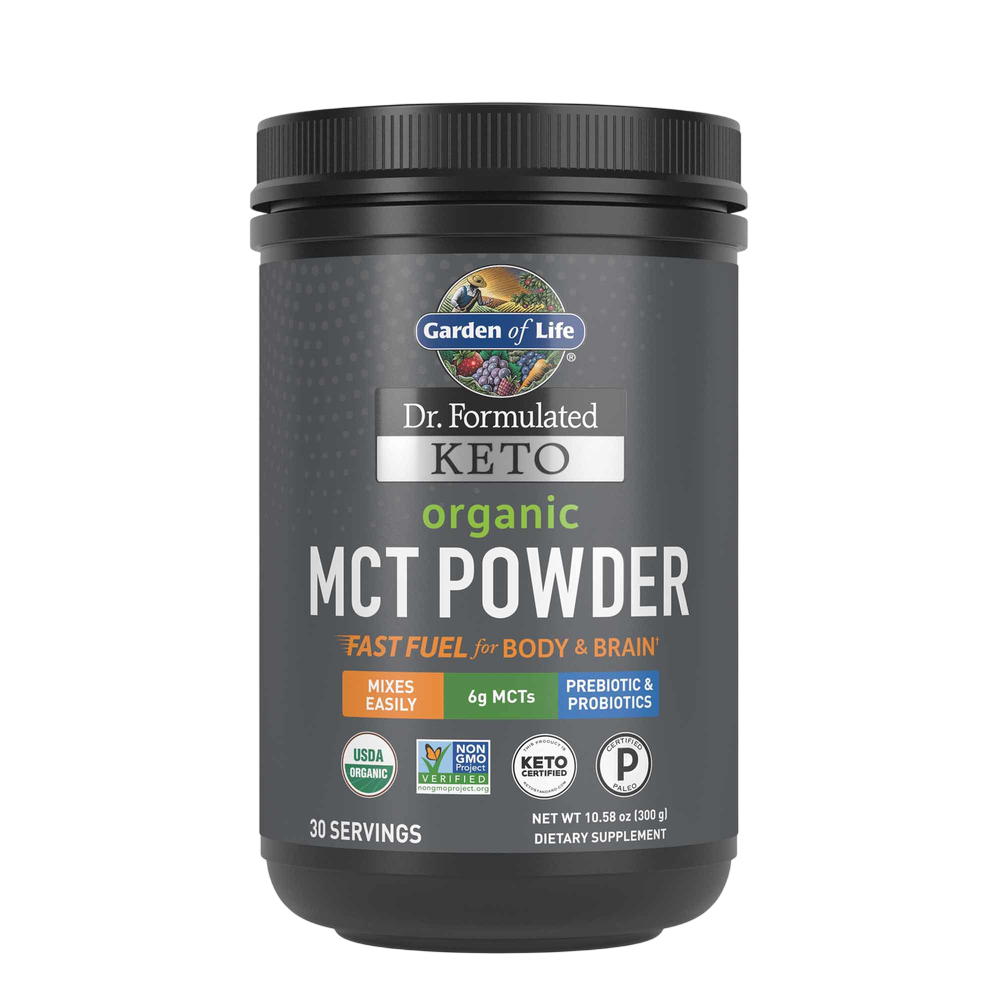
Dr. Formulated Keto Organic MCT Powder by Garden of Life
300 grams
Support Energy and Gut Health with Organic MCT and Prebiotic Fiber$32.99
Purchase options
Practitioner-grade brand3rd-party testedFree shipping $50+
Soy Free·Dairy Free·Preservative Free·Lactose Free·Artificial Color Free·Artificial Flavor Free
Garden of Life Dr. Formulated Keto Organic MCT Powder overview
Low‑carb or keto eaters who want a clean energy bump without carbs are the sweet spot for MCT powder. It’s useful if you track blood ketones (beta‑hydroxybutyrate, the main circulating ketone) and want a predictable rise before workouts or long work blocks. If MCT oil upsets your stomach, the powder form is usually gentler. Endurance athletes training low‑carb and intermittent fasters who want appetite control in coffee often find it practical. If your Lipid Panel shows rising LDL‑C, reassess use or dose.
Medium‑chain triglycerides from coconut (mainly C8 and C10 fats) go straight to the liver via the portal vein, where they’re rapidly turned into ketones that the brain and muscles can use for fuel. Blood ketones typically rise within 30 to 60 minutes. Unlike longer fats, MCTs don’t require bile to absorb, which is one reason they’re easier on digestion. The acacia prebiotic fiber feeds gut bacteria that make short‑chain fatty acids like butyrate (fuel for colon cells). The added Lactobacillus plantarum dose here is modest and best viewed as a bonus, not a standalone probiotic.
Start with half a scoop in coffee, tea, or a smoothie, then increase to one scoop as tolerated. Taking MCT powder with some food or protein reduces the chance of loose stools. Most people use it in the morning or pre‑workout for a ketone rise; nightly use can affect sleep in the very sensitive. Compared with MCT oil, the same gram amount in powder is often better tolerated and easier to travel with. If you need larger ketone boosts, some use two smaller servings spread out.
Skip or get guidance if you have significant liver disease, a history of very high LDL‑C, or active gallbladder pain. Coconut allergy is a hard no. If you have a sensitive gut or tend toward diarrhea, introduce slowly; acacia fiber can cause gas in some, though many tolerate it well. Pregnancy and breastfeeding are not the time to chase ketosis, so avoid using MCT powder for that goal. If your Triglycerides or LDL‑C drift upward on your Lipid Panel, reduce dose or pause and retest.
Frequently asked questions
Does MCT powder raise ketones?
Yes. Medium-chain triglycerides are quickly converted to ketones in the liver. Most people see a measurable rise in blood beta‑hydroxybutyrate within 30–60 minutes of a serving.
MCT powder vs oil: which is easier on the stomach?
Powder is usually gentler. The carrier and slower dissolution tend to reduce cramping or urgent stools that some people get with straight MCT oil at similar gram doses.
Will MCT powder break a fast?
It contains calories, so it breaks a strict fast. Practically, many use it during “fat fasting” because it keeps insulin low and still allows a ketone rise without carbs or protein.
How much MCT powder should I take per day?
Start with 5–10 grams per day and see how you feel. Some use up to 15–20 grams split into two servings. Titrate based on GI comfort and your blood ketone response.
Can MCT powder cause diarrhea or gas?
It can, especially if you start high. Begin with a small dose and take it with food. The acacia fiber can cause gas in some, but many find it well tolerated compared to inulin.
Is MCT powder okay if I have high cholesterol?
Use cautiously and monitor. MCTs can raise LDL‑C in some people while lowering or not changing Triglycerides. Check your Lipid Panel after a few weeks and adjust.
Is MCT powder safe for people with diabetes?
Often, yes, but check with your clinician. MCTs don’t spike glucose and can raise ketones; if you use insulin or SGLT2 inhibitors, monitor closely to avoid unexpected ketosis.
Can I take MCT powder at night?
You can, but some feel more alert when ketones rise. If sleep is an issue, move your serving to morning or pre‑workout and see if nighttime use affects your sleep quality.
How to take it & ingredients
Suggested use: Mix 1 scoop in food or beverage.
Active ingredients
1 scoop = 10 g per serving
Calcium
34 mg
Magnesium
7 mg
▼
Organic Coconut Medium Chain Triglycerides
6 g
C8:0 - Caprylic Acid
3.5 g
C10:0 - Capric Acid
2 g
C12:0 - Lauric Acid
0.5 g
Organic Acacia Prebiotic Fiber
3 g
Lactobacillus plantarum
1.5 billion CFU
Certifications
Benefits
Warnings