 Instalab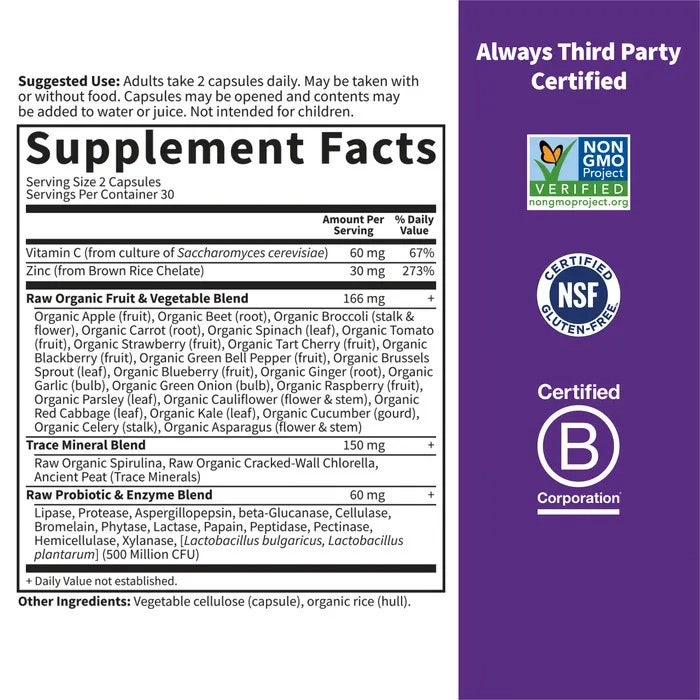

Garden of Life
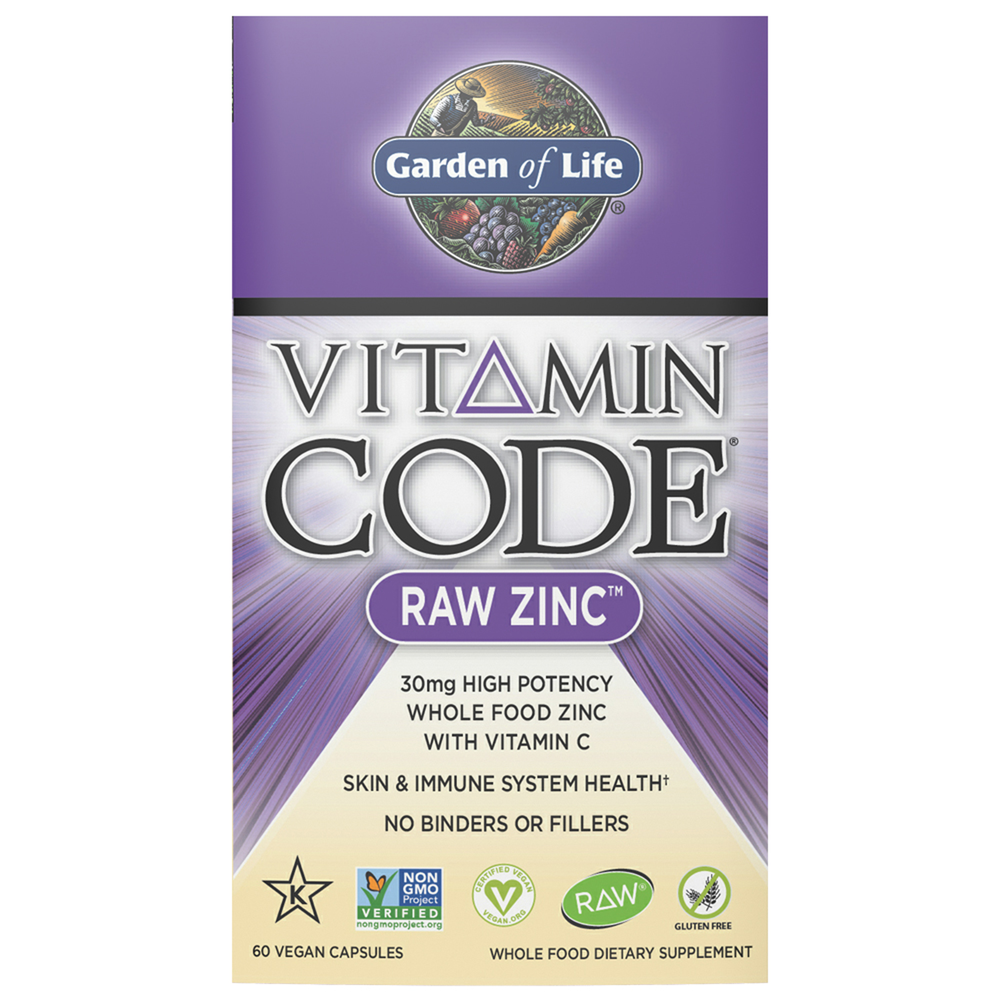
Vitamin Code Raw Zinc by Garden of Life
60 capsules · 30-day supply
Essential Zinc & Vitamin C for Immune Support and Overall Wellness$15.99retail
Add to cart for 19% off
Purchase option
19% below MSRP3rd-party tested for purity & potencyFree shipping $50+
Gluten Free·Soy Free·Dairy Free·Egg Free·Milk Free·Fish Free·
Garden of Life Vitamin Code Raw Zinc overview
If you’re looking at a zinc supplement because your energy, skin, or immunity feel off, start with labs. Zinc, Plasma or Serum and Copper can flag issues, and Alkaline Phosphatase (an enzyme that often runs low when zinc is low) adds context. This 30 mg dose fits people with low intake or higher needs: plant‑forward eaters on high‑phytate diets (beans/whole grains), those on acid‑suppressing drugs like omeprazole, after bariatric surgery, with chronic diarrhea, on dialysis, or during pregnancy and breastfeeding. If your level is meaningfully low, 30 mg daily is reasonable for repletion over weeks, then step down to a maintenance dose.
Zinc is a cofactor for hundreds of enzymes that run cell growth, DNA repair, and antioxidant defenses like superoxide dismutase (an enzyme that neutralizes free radicals). In the immune system it helps white blood cells mature and signal, which is why low zinc shows up as frequent colds or slow wound healing. In skin, zinc guides keratin and collagen formation, so deficiency looks like dermatitis and breakouts. Vitamin C here adds support for collagen and acts as an antioxidant, while the small probiotic/enzyme blend is unlikely to move gut metrics on its own.
The suggested use is two capsules daily, with or without food. In practice, take zinc with a meal to avoid nausea, and separate it from iron, calcium, and magnesium by a couple of hours because they compete for absorption. Expect immune and skin changes within 4 to 12 weeks if low at baseline. For prevention of colds, capsules are not a substitute for zinc acetate or gluconate lozenges started at first symptoms, which is where most of the acute data lives.
Zinc binds medications in the gut. Keep at least 4 hours away from antibiotics in the quinolone class (like ciprofloxacin) and tetracycline class (like doxycycline), and from thyroid hormone (levothyroxine). Long‑term 30 mg can push down copper, so recheck Copper or Ceruloplasmin (the copper‑carrying protein) every few months and consider adding copper if low. If you get persistent nausea, metallic taste, or new anemia that doesn’t respond to iron, pause and check labs.
Frequently asked questions
Is 30 mg of zinc too much to take every day?
For most adults short term, 30 mg daily is acceptable and often used for repletion. Long term, it can depress copper status. If you’ll use it beyond a few months, check Copper or Ceruloplasmin and consider stepping down once your Zinc, Plasma or Serum is no longer low.
How long does zinc take to work for immunity or skin?
If you were low, expect changes within 4–12 weeks. Immune resilience and wound healing often improve first, while skin and hair changes take longer. No single supplement fixes acne alone; think of zinc as one input alongside diet, topicals, and hormones.
Can I take zinc on an empty stomach?
You can, but it commonly causes nausea. Most people tolerate zinc better with food. If you’re also taking iron or calcium, separate them by a couple of hours so they don’t compete for absorption.
Does zinc help with colds?
The best data are for zinc acetate or gluconate lozenges started within 24 hours of symptoms. Capsules are less reliable for acute cold duration. Use a lozenge for onset, and capsules like this for correcting a low zinc status over time.
What drugs or supplements should I separate from zinc?
Keep zinc 4 hours away from quinolone antibiotics (ciprofloxacin), tetracyclines (doxycycline), and thyroid hormone (levothyroxine). Also separate from iron, calcium, and magnesium to improve absorption for all of them.
What labs should I check while taking zinc?
Start with Zinc, Plasma or Serum. Because zinc and copper balance each other, also check Copper or Ceruloplasmin. If you had deficiency signs, recheck in 8–12 weeks to guide whether to continue, reduce, or add copper.
Who should be careful with zinc supplements?
People with a history of low copper, unexplained anemia, or on chronic dialysis should use zinc only with lab monitoring. If you’re pregnant or breastfeeding, zinc is useful but avoid stacking multiple products that each contain zinc.
How to take it & ingredients
Suggested use: Adults take 2 capsules daily. May be taken with or without food.
Active ingredients
2 capsules per serving · 30 servings
Zinc
30 mg
Vitamin C
60 mg
RAW Veggie Mineral Blend
160 mg
RAW Food Probiotic & Enzyme Blend
50 mg
Other ingredients: Vegetable cellulose, Lactobacillus bulgaricus
Certifications
Benefits
Warnings