 Instalab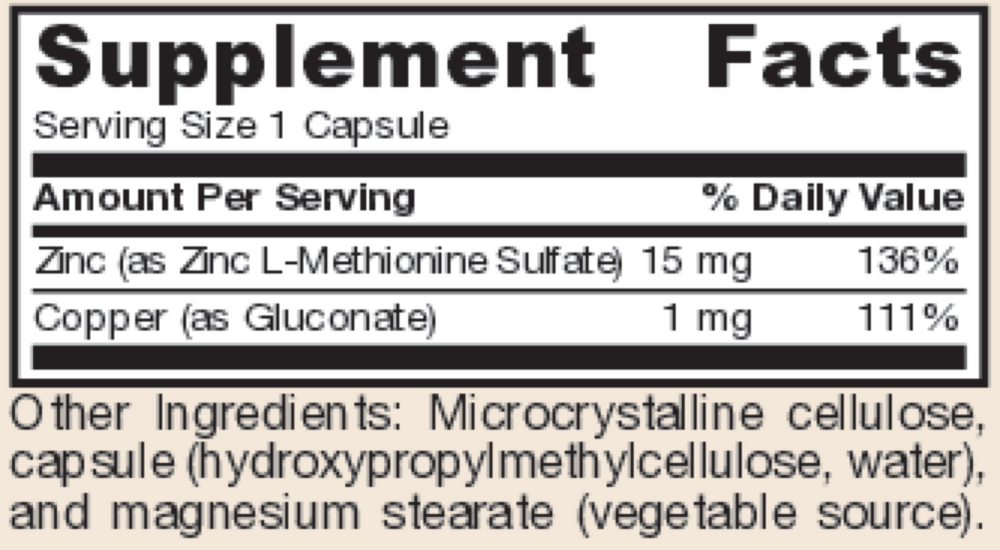

Jarrow Formulas
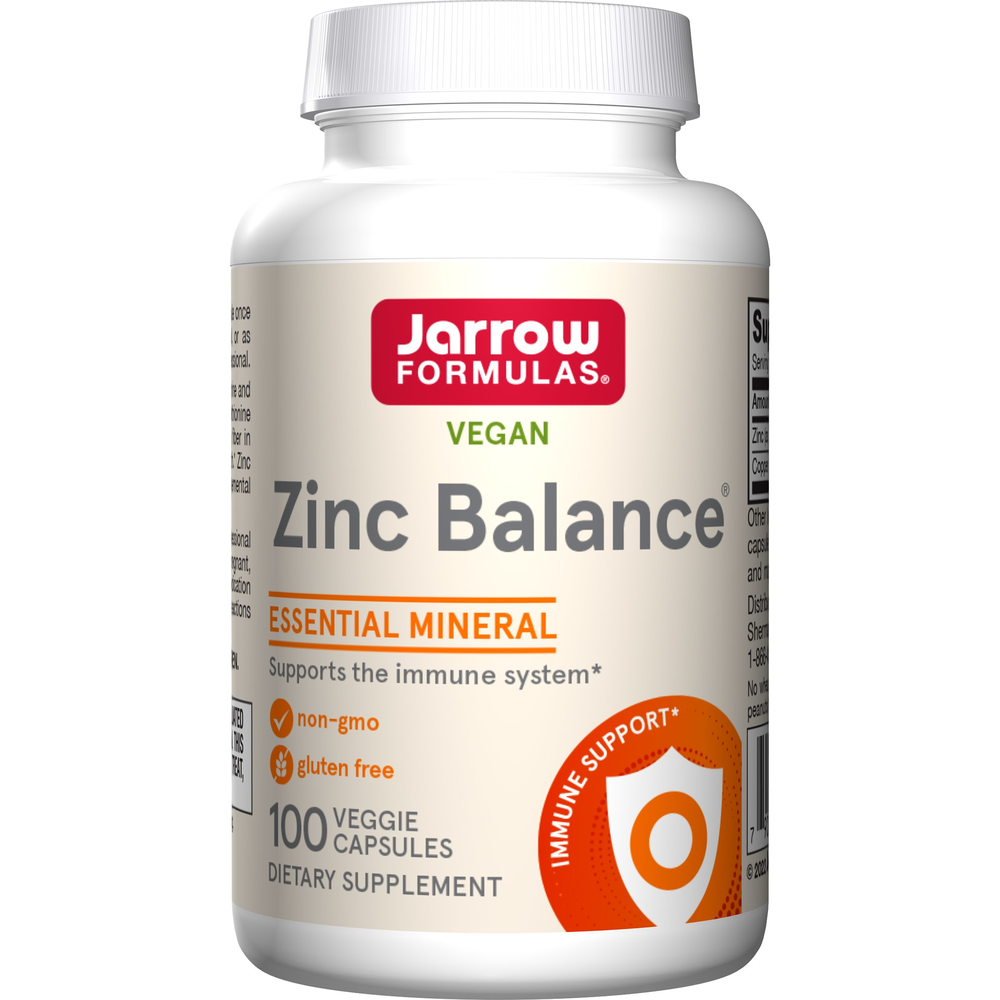
Zinc Balance by Jarrow Formulas
100 capsules · 100-day supply
Balanced Zinc and Copper for Optimal Immune and Metabolic Support$16.99retail
Add to cart for 18% off
Purchase option
18% below MSRP3rd-party tested for purity & potencyFree shipping $50+
Vegan·Vegetarian·Gluten Free·Soy Free·Dairy Free·Milk Free·
Jarrow Formulas Zinc Balance overview
If you want the immune and metabolic upsides of zinc without risking low copper, a balanced zinc with copper capsule makes sense. It fits vegetarians and high‑fiber eaters whose diets are rich in phytates from grains and legumes that block zinc uptake, those taking iron or calcium that compete with zinc, and anyone using high‑dose zinc lozenges seasonally who wants safer daily maintenance. It’s also a practical choice if your Zinc, Plasma or Serum is in the lower normal range, or your Copper, Serum or Ceruloplasmin (the main copper‑carrying protein) suggests you should avoid further copper drain. The 15 mg zinc here is a maintenance dose; if your level is truly low, repletion usually needs more under clinician guidance, then step down.
Zinc L‑methionine pairs zinc with the amino acid methionine, which helps it ride the same transporters as protein and slip past inhibitors in food like phytic acid from bran and beans. Better absorption means steadier support for enzymes that drive immune cell activity and skin repair. Copper is included because supplemental zinc ramps up metallothionein in the gut, a binding protein that traps copper and can lower copper status over time. The 15:1 zinc‑to‑copper ratio helps maintain both minerals while you use zinc regularly.
Take one capsule with a meal to reduce nausea, which zinc can cause on an empty stomach. Daily use is reasonable for maintenance; some prefer every other day if their diet is already zinc‑rich. Separate from iron, calcium, and magnesium supplements by at least two hours so they do not compete for absorption. If you are adjusting dose based on labs, recheck Zinc, Plasma or Serum and Copper, Serum or Ceruloplasmin after 8 to 12 weeks and adjust up or down with your clinician.
Space zinc at least 2–4 hours from tetracycline or quinolone antibiotics because it chelates them in the gut, cutting antibiotic absorption. Separate from penicillamine as well, unless your prescriber directs otherwise. If you have anemia or low white blood cells of unclear cause, get Copper, Serum and Ceruloplasmin checked before starting because zinc can worsen an unrecognized copper deficiency. Wilson disease (a copper‑overload disorder) is a special case where zinc is used as a drug; only use under specialist care. Pregnant adults should default to a prenatal that already balances zinc and copper, not layer extras.
Can zinc prevent colds? Starting zinc acetate lozenges within 24 hours can shorten symptoms in some studies, but a daily capsule is for status maintenance, not acute colds. Is zinc picolinate better? Zinc L‑methionine and picolinate are both well‑absorbed; L‑methionine tends to be gentler for high‑fiber diets. How fast will labs change? With consistent dosing, Zinc, Plasma or Serum usually moves within 4 to 12 weeks.
Frequently asked questions
Do I need copper when I take zinc?
For ongoing zinc use, yes. Zinc induces a gut protein that binds copper, so long-term zinc alone can drive copper low. Including about 1 mg copper for each 15 mg zinc helps maintain balance while you supplement.
Is 15 mg of zinc a good daily dose?
For maintenance, 15 mg is reasonable. If your Zinc, Plasma or Serum is low or you have clear deficiency symptoms, repletion often requires higher short-term dosing under clinician guidance, then stepping down to 15 mg.
How long does zinc take to work?
Lab changes usually show within 4–12 weeks. Taste changes or skin issues linked to low zinc can improve sooner, but full correction of low levels and hair or nail changes takes longer and needs repeat labs.
Can I take zinc with coffee or dairy?
It is better with a mixed meal. Coffee, high-calcium dairy, iron, and magnesium can all reduce zinc absorption. If you take those, separate by at least two hours for best uptake.
Does zinc upset your stomach?
It can cause nausea on an empty stomach. Take with food and avoid taking it right before intense exercise. If you remain sensitive, try every-other-day dosing or switch the time of day.
Does zinc interact with antibiotics?
Yes. Zinc binds tetracyclines and quinolones in the gut, lowering antibiotic levels. Take zinc at least 2–4 hours apart from these drugs. Ask your prescriber for exact timing with your specific antibiotic.
Who should avoid zinc with copper?
If you have Wilson disease, are on penicillamine, or have unexplained anemia or low white cells, talk to your clinician first. In pregnancy, use a prenatal with balanced minerals instead of adding extra zinc.
Will zinc affect my iron levels?
High-dose iron and zinc compete for absorption when taken together. Separate them by a couple of hours. Correcting iron deficiency can temporarily reduce zinc uptake, so monitor both when repleting.
How to take it & ingredients
Suggested use: Adults take 1 capsule once a day or every other day, with a meal, or as directed by your qualified healthcare professional.
Active ingredients
1 capsule per serving · 100 servings
Zinc
Zinc L-Methionine Sulfate
Zinc L-Methionine Sulfate
15 mg
Copper
Copper Gluconate
Copper Gluconate
1 mg
Other ingredients: Microcrystalline cellulose, Capsule (hydroxypropylmethylcellulose, water), Magnesium stearate (vegetable source)
Certifications
Benefits
Warnings