
 Instalab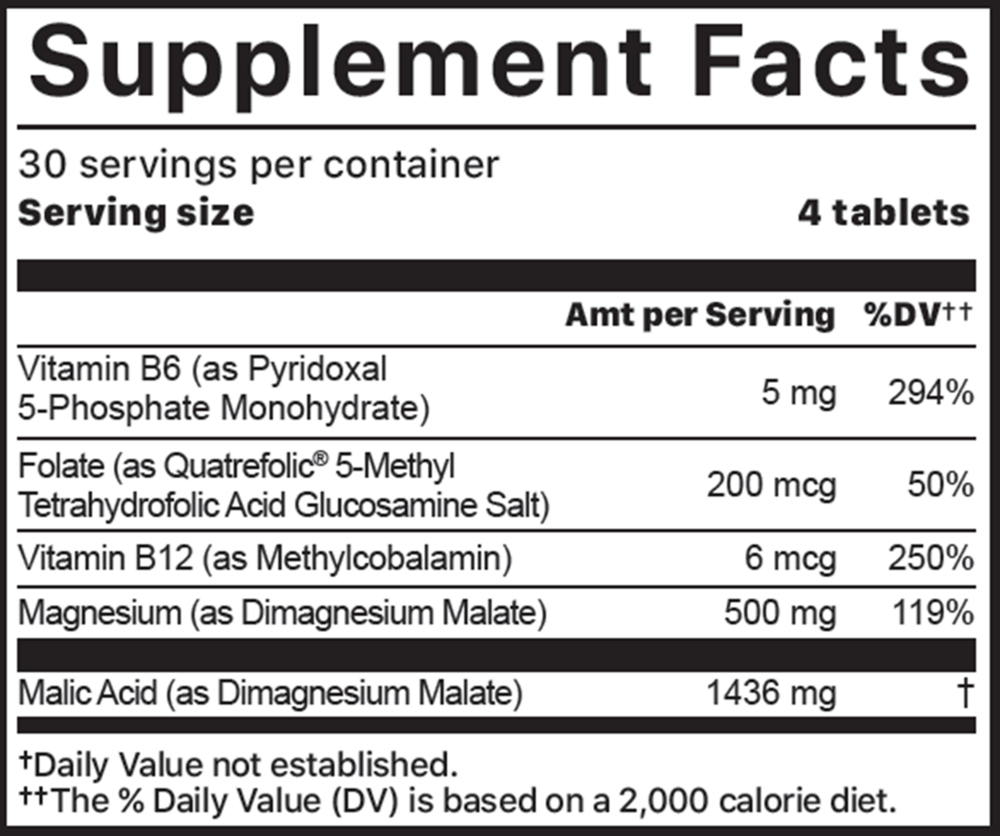


Jigsaw Health
MagSRT by Jigsaw Health
120 tablets · 30-day supply
Sustained Release Magnesium for Energy, Muscle Function, and Relaxation$27.99retail
Add to cart for 21% off
Purchase option
21% below MSRP3rd-party tested for purity & potencyFree shipping $50+
Vegan·Gluten Free·Soy Free
Jigsaw Health MagSRT overview
If you’re looking for time-release magnesium to steady levels without gut upset, this fits. It’s useful when your Serum Magnesium or RBC Magnesium (a red blood cell measure that tracks tissue stores) is low or low-normal, you get muscle cramps at night, sleep is restless, or stress has you keyed up. Magnesium malate is also a good pick if you want daytime energy without sedation, or if fast-acting forms like citrate have sent you to the bathroom.
Dimagnesium malate provides magnesium plus malic acid (a fuel that feeds your cell’s energy cycle). Magnesium calms overactive nerves and tight muscles by balancing calcium entry into cells, which is why cramp frequency and muscle tension often ease within 2 to 4 weeks. The sustained-release tablet spreads absorption over hours, reducing the laxative effect seen with many magnesium salts. The added B6 as P5P, folate as 5‑MTHF, and methylcobalamin help recycle homocysteine (a cardiovascular risk marker), a pathway tied to energy metabolism. If anything, the B-vitamin doses are supportive, not high-dose therapy.
Take four tablets daily with food, ideally split morning and evening for steadier levels. If you’re sensitive, start with one to two tablets for 3 to 5 days, then build up. This is a full repletion-level amount of magnesium; once your Serum Magnesium or RBC Magnesium improves and symptoms settle, many people can taper to a lower maintenance dose. Expect calmer sleep and fewer cramps within 1 to 2 weeks, with fuller effects by 4 to 6 weeks.
Magnesium binds many drugs in the gut. Separate by at least 2 to 4 hours from levothyroxine, tetracycline or fluoroquinolone antibiotics, and osteoporosis drugs like alendronate to avoid blocking absorption. High-dose calcium or iron can compete with magnesium; take them at different meals. If you track homocysteine or Vitamin B12 and Folate levels, the included B vitamins count toward your total intake.
If you have significant kidney disease, skip magnesium supplements unless your clinician is monitoring labs, since magnesium is cleared by the kidneys. Use caution with myasthenia gravis (a neuromuscular condition), as extra magnesium can worsen weakness. Persistent diarrhea, new palpitations, or very low blood pressure are reasons to stop and check in. Pregnancy and breastfeeding: ask your OB for individualized dosing.
Is magnesium malate better than glycinate? Malate tends to feel more energizing by feeding the energy cycle, while glycinate is often chosen for evening calm; both absorb well. Is Jigsaw Health MagSRT different? Its sustained-release profile delivers magnesium over hours, which many find gentler on the gut at a 500 mg daily dose.
Frequently asked questions
How long does magnesium malate take to work?
Many notice calmer sleep or fewer nighttime cramps within 1–2 weeks, with steadier energy and muscle comfort by 4–6 weeks. Lab changes in Serum Magnesium or RBC Magnesium usually show up within 4–8 weeks.
Is magnesium malate good for leg cramps?
It can help by relaxing overactive muscle and nerve signaling. Clinical responses vary, but cramp frequency often improves within 2–4 weeks at repletion-level dosing, especially if your magnesium status is low.
What’s the best time to take magnesium malate?
Split doses with meals, morning and evening, for steadier absorption. If you feel a mild energy lift, take more in the morning; if sleep is the goal, reserve part of the dose with dinner.
Does magnesium interact with thyroid medication?
Yes. Magnesium can reduce levothyroxine absorption. Take levothyroxine on an empty stomach and separate magnesium by at least 4 hours to keep thyroid levels stable.
Can magnesium malate cause diarrhea?
Any magnesium can loosen stools at higher intakes, but sustained-release malate is gentler than citrate or oxide. If stools soften, split doses, take with food, or reduce by one tablet.
Is magnesium malate safe in kidney disease?
Use only under clinician supervision. Impaired kidneys clear magnesium poorly, which can lead to high blood levels. Your care team can monitor Serum Magnesium and adjust dosing.
Do I still need B vitamins if I take this?
This provides modest B6, folate (5‑MTHF), and B12. If you’re addressing high homocysteine or a confirmed deficiency, you’ll likely need higher targeted doses guided by labs.
How to take it & ingredients
Suggested use: As a dietary supplement, take 4 tablets per day with food. Divide doses if desired, or as directed by your healthcare provider.
Active ingredients
4 tablets per serving · 30 servings
Magnesium
Dimagnesium Malate
Dimagnesium Malate
500 mg
Vitamin B6
Pyridoxal 5-Phosphate Monohydrate
Pyridoxal 5-Phosphate Monohydrate
5 mg
Folate
Quatrefolic® 5-Methyl Tetrahydrofolic Acid Glucosamine Salt
Quatrefolic® 5-Methyl Tetrahydrofolic Acid Glucosamine Salt
200 mcg
Vitamin B12
Methylcobalamin
Methylcobalamin
6 mcg
Malic Acid
Dimagnesium Malate
Dimagnesium Malate
1436 mg
Other ingredients: Microcrystalline Cellulose, Hydroxypropyl Cellulose, Croscarmellose Sodium, Hydroxypropyl Methylcellulose (plant-based insoluble fibers used to achieve Sustained Release Technology), L-Leucine (essential amino acid used as lubricant), Silicon Dioxide (anti-caking agent), Clear coating (Hydroxypropyl Methylcellulose and Sunflower oil), Micro Wax (for easier swallowing)
Certifications
Benefits
Warnings