 Instalab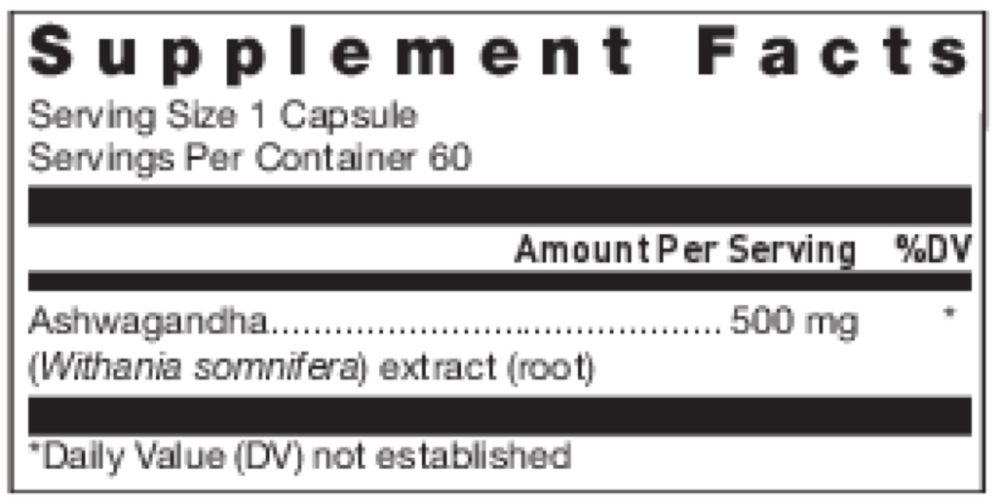

Klean Athlete
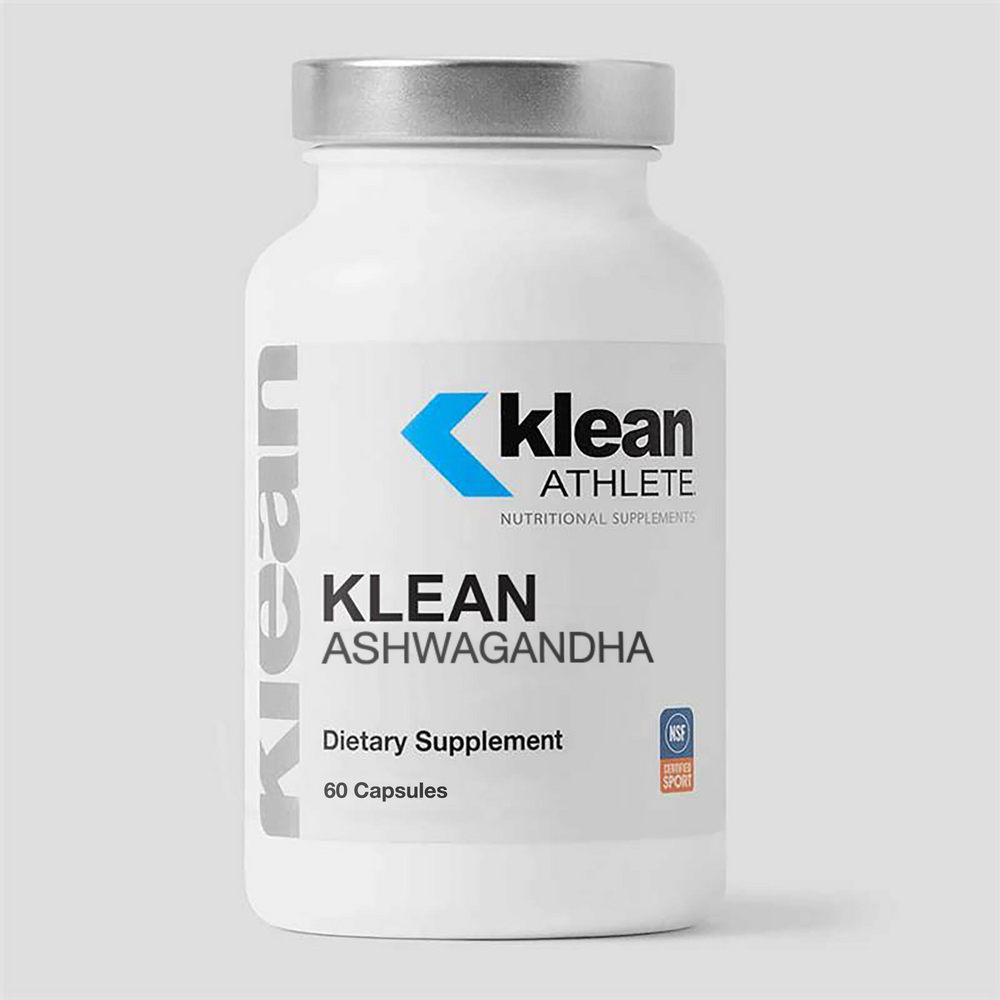
Klean Ashwagandha 500 mg by Klean Athlete
60 capsules · 60-day supply
Support Your Mind and Body with Premium Ashwagandha Extract$32.00retail
Add to cart for 19% off
Purchase option
19% below MSRP3rd-party tested for purity & potencyFree shipping $50+
Vegan·Vegetarian·Gluten Free·Dairy Free·Egg Free·Fish Free·
Klean Athlete Klean Ashwagandha overview
If stress, poor sleep quality, or training fatigue are your main issues, ashwagandha for stress is a reasonable first trial. It fits adults with elevated morning Cortisol (the body’s main stress hormone), those with heavy work or endurance blocks, and people who wake unrefreshed. It’s also used by lifters aiming for better recovery between sessions. If your anxiety is severe, or sleep apnea is unaddressed, this won’t replace treatment, but it can be a useful layer while you work the basics.
Ashwagandha is an adaptogen, meaning it helps your stress system respond more steadily rather than pushing it up or down. In randomized trials, root extract lowered cortisol and improved perceived stress and sleep scores within 2 to 8 weeks. It likely does this by nudging GABA signaling (the brain’s main calming pathway) and by moderating HPA-axis output (the brain-to-adrenal stress circuit). Small studies also report modest strength or VO2 max gains, likely because steadier recovery lets you train more consistently.
The suggested use is one 500 mg capsule daily, with or between meals. Most studies use 300–600 mg of root extract, so this is a clinically typical dose. If sleep is your target, take it in the evening; if daytime tension is the issue, take it in the morning. Give it 2 to 4 weeks for day-to-day calm and 4 to 8 weeks for measurable shifts in Cortisol or sleep scores. Re-test Cortisol or sleep metrics to confirm benefit.
Avoid in pregnancy or if you’re trying to conceive soon. Use caution with thyroid conditions, since ashwagandha can raise thyroid hormone; check TSH and Free T4/Free T3 if you’re on levothyroxine. It can mildly lower blood pressure and glucose, so monitor if you use antihypertensives or diabetes drugs. It can add to sedation from sleep meds, benzodiazepines, or alcohol. Rare liver injury has been reported; stop if you develop itching, dark urine, or jaundice and check ALT/AST.
Frequently asked questions
How long does ashwagandha take to work?
Most people notice calmer mood or easier sleep within 2–4 weeks. Stronger changes in perceived stress, sleep quality, or morning Cortisol usually show up by 4–8 weeks. If nothing changes by 8 weeks, it’s reasonable to stop or reassess dose and timing.
What is the best time to take ashwagandha?
Take it when it matches your goal: morning for daytime tension or training stress, evening for sleep quality. Consistency matters more than timing. If you feel drowsy, shift it to later in the day or take with a small snack.
Does ashwagandha lower cortisol?
In several randomized trials, ashwagandha reduced cortisol (the main stress hormone) in stressed adults. The effect is modest and not universal. If you track labs, check a morning Cortisol before starting and again after 6–8 weeks to confirm response.
Can I take ashwagandha with antidepressants or sleep meds?
Be cautious. Ashwagandha can add to sedation from sleep meds, benzodiazepines, and sedating antihistamines. With SSRIs or SNRIs, major interactions are uncommon, but start low, watch for extra drowsiness, and discuss with your prescriber.
Does ashwagandha affect thyroid levels?
It can. Some studies show small increases in thyroid hormones. If you have hypothyroidism on medication or a history of hyperthyroidism, monitor TSH and Free T4/Free T3 after 4–8 weeks and adjust therapy only with your clinician.
Is ashwagandha safe to take every day?
Daily use for up to 8–12 weeks is well-studied in healthy adults. Common side effects are mild stomach upset or drowsiness. Avoid if pregnant, and use caution with thyroid disease, liver disease, low blood pressure, or diabetes medications.
Will ashwagandha help athletic performance?
Small trials show modest improvements in strength, power, or VO2 max alongside training. The likely benefit comes from better recovery and sleep rather than a stimulant effect. Track your training logs and resting heart rate to judge if it’s helping you.
How to take it & ingredients
Suggested use: As a dietary supplement, adults take 1 capsule daily, with or between meals, or as directed by a trainer, coach, or healthcare professional.
Active ingredients
1 capsule per serving · 60 servings
Ashwagandha
Withania somnifera root extract
Withania somnifera root extract
500 mg
Other ingredients: Microcrystalline Cellulose, Hydroxypropyl Methylcellulose (Capsule)
Certifications
Benefits
Warnings