 Instalab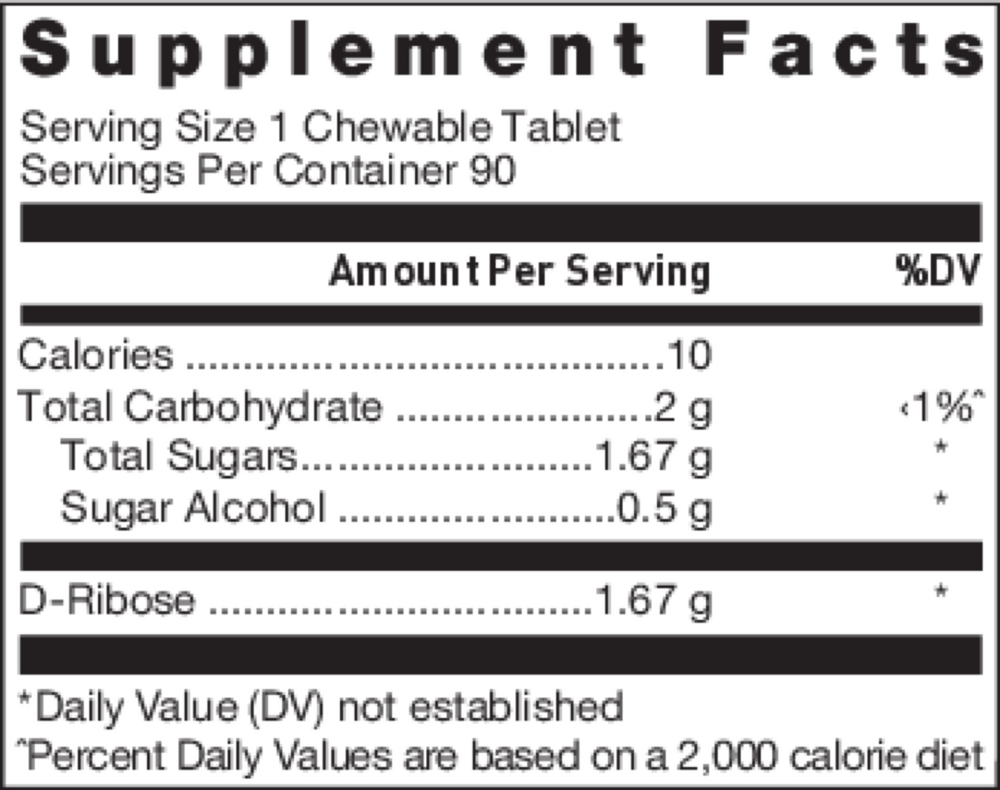
Klean Athlete
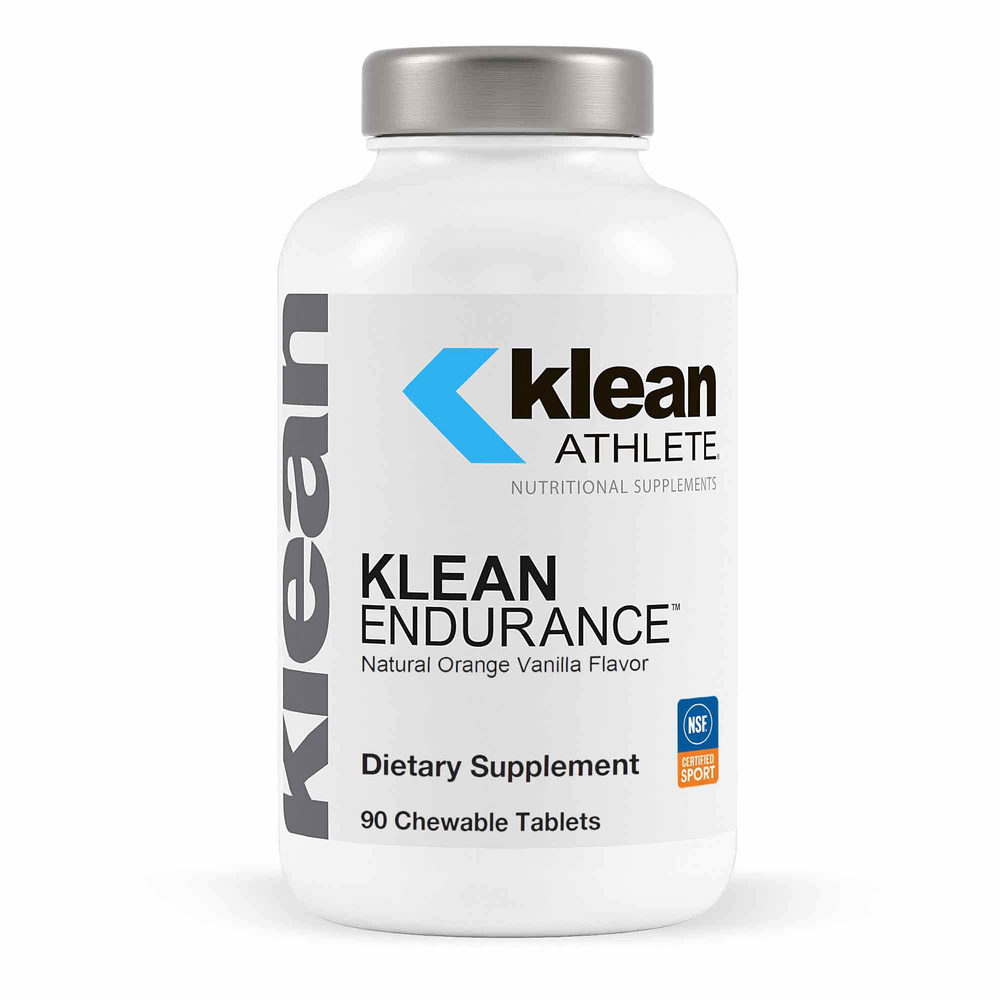
Klean Endurance 1.67 g by Klean Athlete
90 chewables · 90-day supply
Supports Energy Production and Enhances Athletic Performance$56.00
This item is currently out of stockGet notified when this item is back in stock
Practitioner-grade brand3rd-party testedFree shipping $50+
Vegan·Vegetarian·Gluten Free·Dairy Free
Klean Athlete Klean Endurance overview
D-ribose for energy makes the most sense for endurance athletes stacking hard sessions, people who feel wiped after repeat sprints, and those with persistent fatigue after illness or overtraining. It’s not a stimulant; it helps you rebuild what you spent. If your Fasting Glucose or Hemoglobin A1c is high and you’re improving diet and training, this can be a useful add-on. For well-rested, lightly training adults, effects are usually subtle.
ATP (the cellular energy currency) needs a ribose backbone. During very hard efforts, ATP breaks down faster than your cells can rebuild it. Supplemental D-ribose feeds the pathway that makes ribose-5-phosphate (the building block for ATP and RNA), so tissues can restore ATP levels more quickly. That can translate into better repeat efforts and less next-day heaviness. Evidence in trained athletes is mixed; recovery benefits show up more in those who deplete deeply.
Each chew provides 1.67 g. Most athletes do best with 3–5 g per day split before and after key workouts, which here means 2–3 chews across the day. Take with food to limit stomach upset. If you’re training twice daily, use one chew pre-session and one post. Expect any performance or recovery change within 1–2 weeks; if nothing changes by 3 weeks, reconsider the fit.
D-ribose can lower blood sugar for a few hours, so people on insulin or diabetes medications should monitor closely and involve a clinician. It can raise Uric Acid in susceptible individuals; if you have gout, avoid or test your level after starting. Common side effects are loose stools and bloating, especially above 5 g per day. Pregnancy and nursing: safety data are limited, so avoid.
Frequently asked questions
Does D-ribose actually give you energy?
It doesn’t stimulate you like caffeine. It helps your cells rebuild ATP, the energy molecule, after hard efforts. Some athletes feel better repeat performance and less heavy legs within 1–2 weeks, especially if training is intense.
How long does D-ribose take to work?
If it helps you, you’ll usually notice easier repeat efforts or improved post-workout recovery within 1–2 weeks. It’s not an instant boost, but an energy-rebuilding aid between and after hard sessions.
What’s the best time to take D-ribose?
Take it with food before and/or after your hardest sessions. Splitting 3–5 g per day works well for most. On rest days, one small dose with a meal maintains levels without stomach upset.
Is D-ribose safe for diabetics?
Use caution. D-ribose can lower blood sugar for a few hours. If you use insulin or other glucose-lowering drugs, monitor closely and speak with your clinician. Check Fasting Glucose and Hemoglobin A1c regularly.
Can D-ribose cause side effects?
Yes. The most common are loose stools, bloating, and nausea, especially at higher doses. Start low, take with food, and split doses. Rarely, headaches or lightheadedness can occur if blood sugar dips.
Does D-ribose interact with caffeine or creatine?
It’s fine with caffeine and creatine. Caffeine gives an acute boost, creatine helps rapid-power recycling, and D-ribose focuses on ATP rebuilding after depletion. Many athletes combine them without issues.
Will D-ribose affect lab tests?
It can transiently lower blood glucose readings after a dose. If you’re getting labs, avoid dosing the morning of a Fasting Glucose draw. If you have a history of gout, consider checking Uric Acid after starting.
Is a chewable D-ribose as effective as powder?
Yes, effectiveness depends on total daily grams, not the form. Chews make splitting 3–5 g per day easy and may reduce stomach upset by pairing with food.
How to take it & ingredients
Suggested use: Adults take one chewable tablet one to three times daily with food or as directed by a trainer, coach, or health professional.
Active ingredients
1 chewable per serving · 90 servings
D-Ribose
1.67 g
Other ingredients: Xylitol, Microcrystalline cellulose, Hydroxypropyl cellulose, Silica, Natural orange flavor, Vegetable stearate, Citric acid, Mannitol, Stearic acid, Carnauba wax, Natural vanilla flavor
Certifications
Benefits
Warnings