 Instalab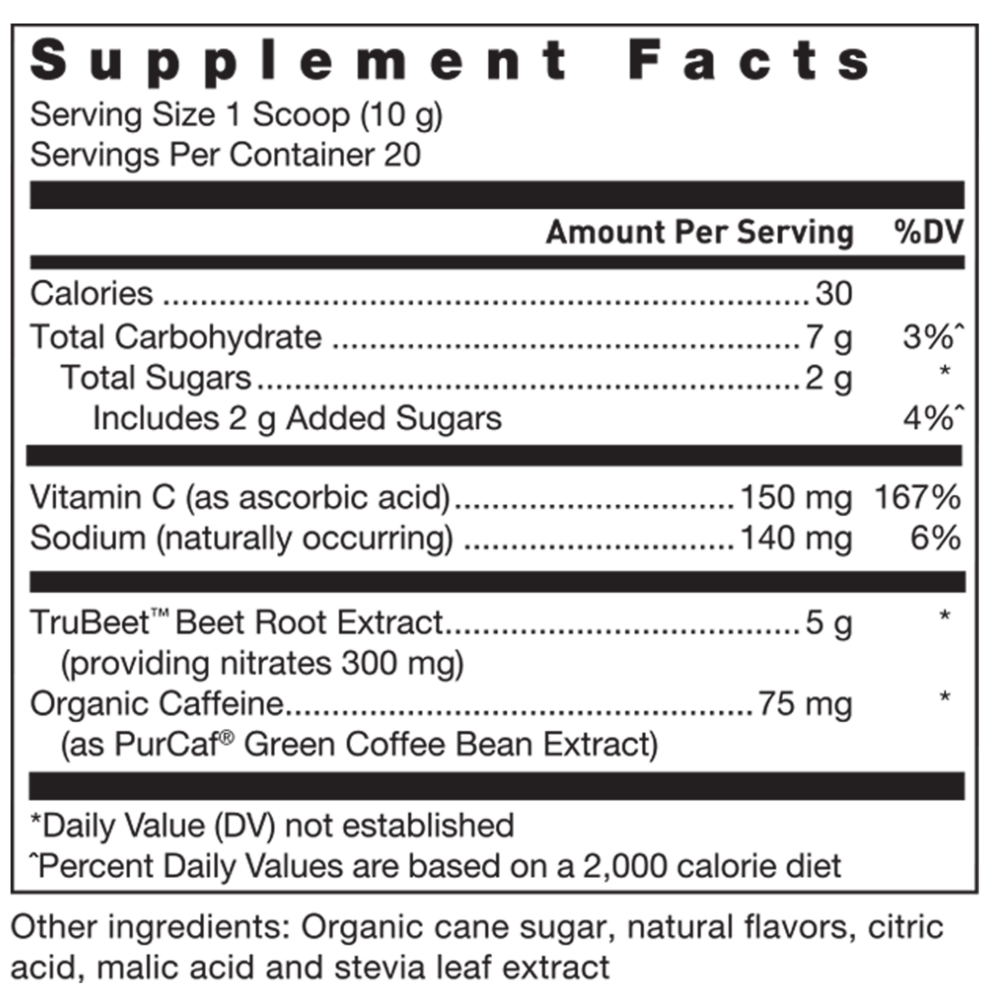


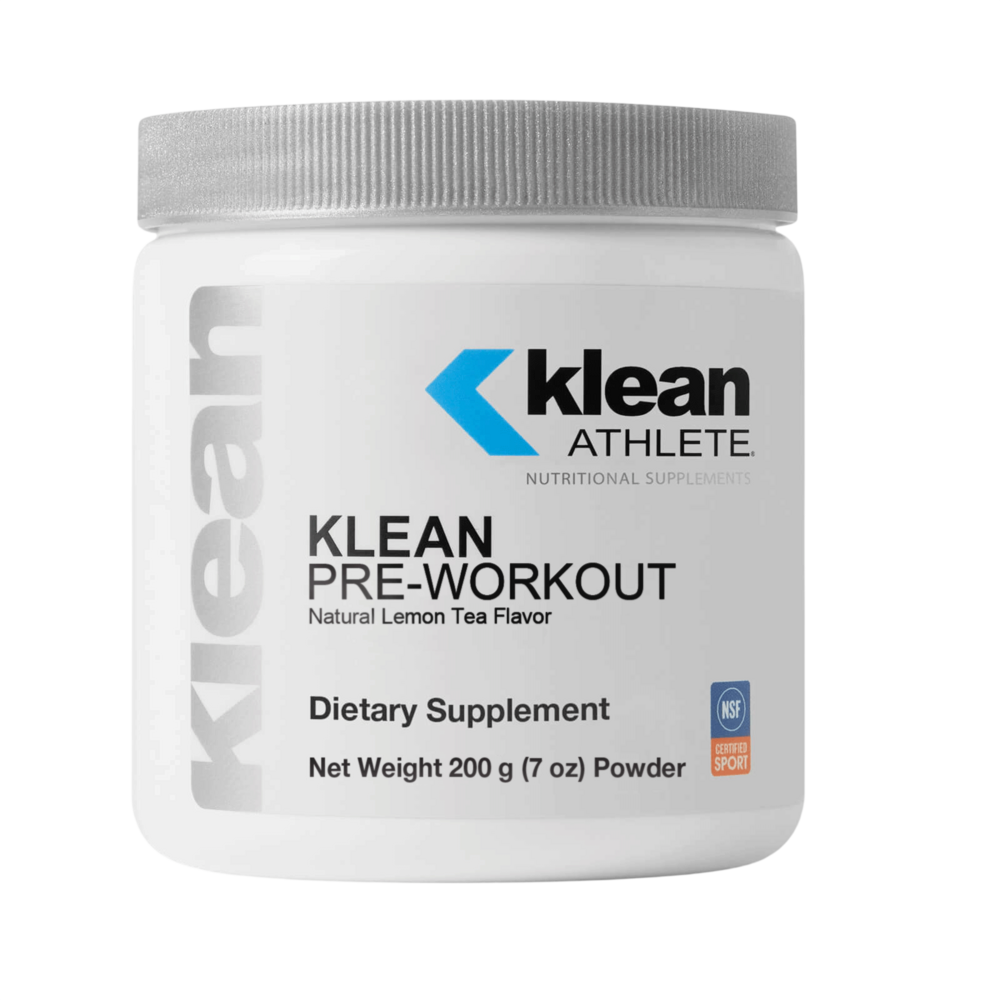
Klean Athlete
Klean Pre-Workout by Klean Athlete
200 grams
Boost Energy and Endurance for Optimal Athletic Performance$50.50
Purchase options
Practitioner-grade brand3rd-party testedFree shipping $50+
Gluten Free
Klean Athlete Klean Pre-Workout overview
If you want better endurance without a heavy caffeine hit, a beet pre-workout fits. Nitrate-rich beet root can modestly improve time-trial results in runners, cyclists, and team-sport athletes, especially if your training is submaximal or interval-based. The 75 mg caffeine here is about a small coffee, helpful for focus if you are caffeine-sensitive or train later in the day. If you’re already highly trained, expect smaller gains but still useful oxygen-efficiency benefits.
Beet root nitrates convert in your mouth to nitrite, then to nitric oxide in blood, which relaxes blood vessels and helps muscles use oxygen more efficiently. That can lower the oxygen cost of a given pace and improve repeated sprint performance within hours. Caffeine blocks adenosine receptors (the brain’s drowsy signal), reducing perceived effort and sharpening reaction time at a gentler dose than typical pre-workouts. Vitamin C helps recycle nitric oxide, and the small amount of sodium supports fluid balance.
Mix one scoop in water 30 to 120 minutes before training; nitric oxide peaks closer to two hours for many people. For key races, use it daily for 3 to 7 days beforehand, then your usual pre-event dose. Skip antibacterial mouthwash or antiseptic gum for several hours around dosing because oral bacteria drive nitrate conversion. Evening sessions: the 75 mg caffeine is mild, but if sleep is fragile, take it earlier.
If you have low blood pressure, take nitrates cautiously and check how you feel during easy sessions first. Skip if you use prescription nitrates for chest pain, and talk to your clinician if you take blood pressure medication or PDE-5 inhibitors for erectile dysfunction since effects can add up. History of calcium oxalate kidney stones: beet concentrates can raise oxalate, so consider alternatives. If you’re pregnant or have arrhythmias or panic-level anxiety, avoid caffeine-containing pre-workouts.
Frequently asked questions
Does beet pre-workout really improve performance?
Yes, in many athletes it yields small but meaningful gains. Expect about 1–3% better time-trial performance or longer time-to-exhaustion, with larger effects in less-trained athletes and during interval efforts.
How long before a workout should I take beet pre-workout?
Take it 30 to 120 minutes before exercise. Nitrate-to–nitric oxide conversion often peaks around two hours, so earlier in that window can work best for endurance sessions.
Is 75 mg of caffeine enough to help performance?
For many, yes. It sharpens focus and lowers perceived effort without the jitters of high-dose caffeine. If you usually take 3–6 mg/kg caffeine, this is a light dose and you may prefer adding coffee.
Can I use mouthwash with a nitrate pre-workout?
Avoid antibacterial mouthwash or antiseptic gum for several hours before and after. Oral bacteria convert nitrate to nitrite, a key step to making nitric oxide and getting the performance effect.
Will this lower my blood pressure?
It can modestly reduce resting blood pressure in some users. If you have low readings or take blood pressure medication, start on a non-key training day and monitor how you feel.
Is beet pre-workout safe for kidney stone history?
Beet concentrates can be higher in oxalate, which is relevant for calcium oxalate stone formers. If that is your history, discuss with your clinician or use a non-beet pre-workout.
Can I take it twice a day for two workouts?
Once daily is typical. If you add a second dose, total caffeine stays modest, but consider oxalate load and sleep timing. Keep total dietary nitrate reasonable and test on an easy day first.
Will taking antioxidants around workouts blunt gains?
Very high antioxidant doses can blunt training signals. The 150 mg vitamin C here is modest and unlikely to interfere with adaptations in practice.
How to take it & ingredients
Suggested use: As a dietary supplement, adults take 1 scoop mixed into 6-8 oz of water approximately 30 minutes before exercise or as directed by a trainer, coach, or health professional.
Active ingredients
1 scoop = 10 g per serving
Vitamin C
As ascorbic acid
As ascorbic acid
150 mg
Sodium
Naturally occurring
Naturally occurring
140 mg
▼
TruBeet™ Beet Root Extract
5 g
Nitrates
300 mg
Organic Caffeine
As PurCaf® Green Coffee Bean Extract
As PurCaf® Green Coffee Bean Extract
75 mg
Other ingredients: Organic cane sugar, Natural flavors, Citric acid, Malic acid, Stevia leaf extract
Certifications
Benefits
Warnings