 Instalab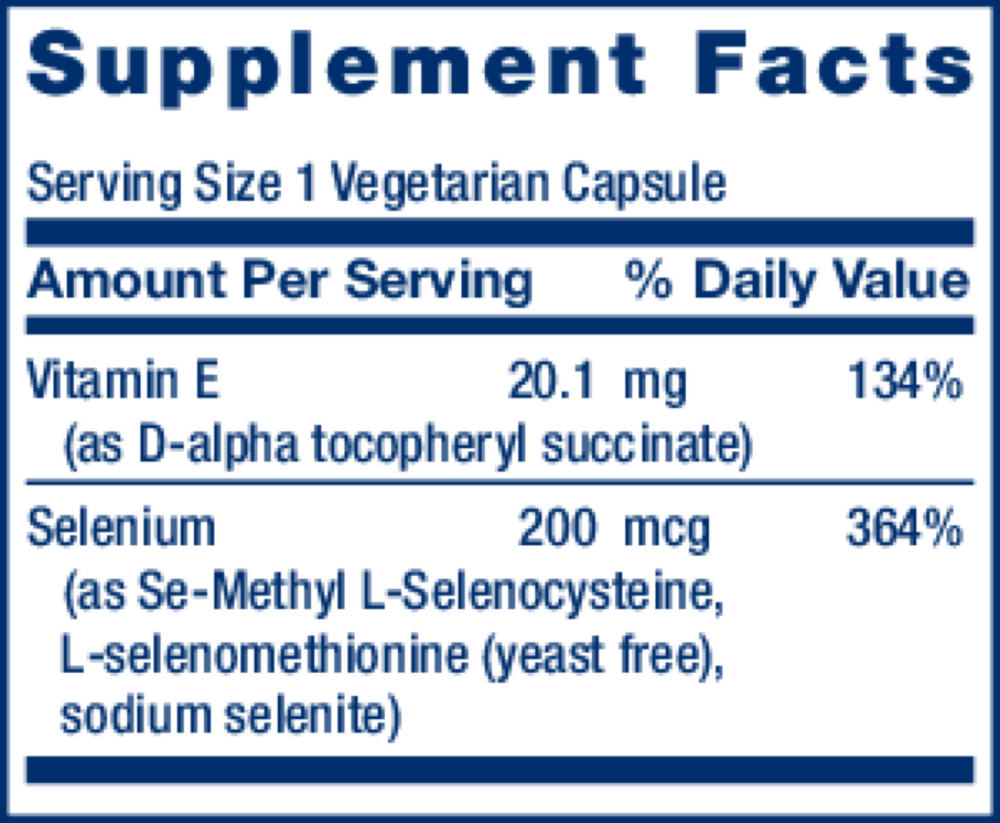

Life Extension
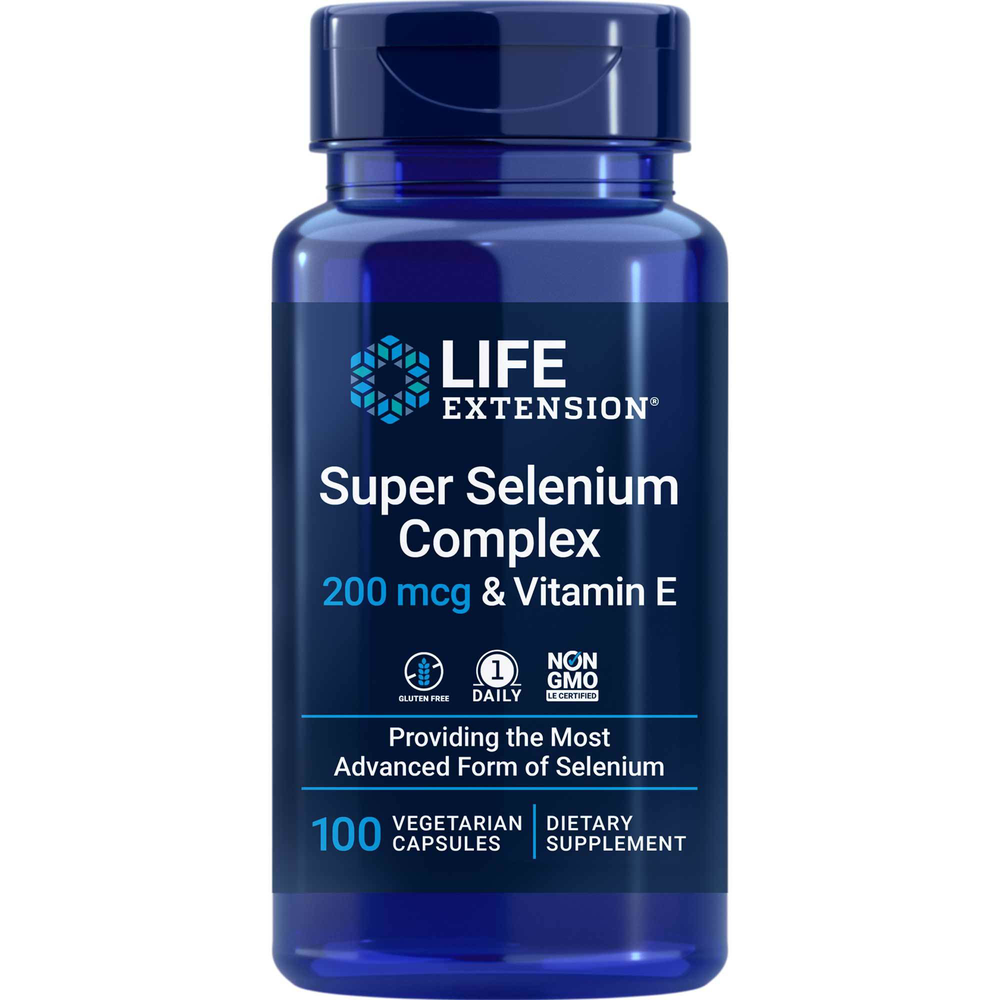
Super Selenium Complex by Life Extension
100 capsules · 100-day supply
Comprehensive Selenium Support for Antioxidant Defense and Cellular Health$14.99retail
Add to cart for 20% off
Purchase option
20% below MSRP3rd-party tested for purity & potencyFree shipping $50+
Vegetarian·Gluten Free
Life Extension Super Selenium Complex overview
If your diet is low in seafood, eggs, or Brazil nuts, or you live in a low‑selenium soil region, a selenium supplement helps fill a real gap. It’s reasonable if your Selenium (serum or plasma) is low, or if thyroid labs like TSH (the pituitary signal to the thyroid), Free T4, and TPO antibodies (thyroid autoantibodies) suggest strain and your intake is modest. Vegans on restrictive diets and people on long‑term parenteral nutrition are common low‑intake groups. If your status is already high, more isn’t better and can backfire.
Life Extension Super Selenium Complex uses three forms—Se‑methyl L‑selenocysteine, L‑selenometionine, and sodium selenite—so your body can convert them to selenide and build selenoproteins like glutathione peroxidase (an enzyme that neutralizes peroxide damage) and deiodinases (enzymes that activate thyroid hormone). The added vitamin E (natural d‑alpha‑tocopheryl succinate) partners with these enzymes to limit lipid peroxidation, the chain reaction that damages cell membranes. In practice, this pairing supports antioxidant defenses more reliably when intake has been low.
Take one capsule daily with food, ideally at the same time each day. The 200 mcg dose is a common clinical amount for restoring low intake; if your Selenium is very low, recheck labs after 4 to 8 weeks before adjusting. Avoid stacking multiple products with selenium or eating many Brazil nuts alongside this, which can push you past safe daily intake. It does not replace thyroid medication; dose timing with levothyroxine isn’t critical, but consistency is.
If your Selenium is high or you’ve had signs of excess—garlic breath, brittle hair or nails, or stomach upset—hold off and check labs. People with well‑replete status who add extra selenium have shown higher rates of high blood sugar in some trials, so don’t “top up” without a reason. Cancer prevention data are mixed; the large SELECT trial did not show benefit with selenomethionine. If you’re in cancer treatment, on dialysis, or pregnant, use only with clinician guidance.
Brazil nuts contain selenium, but content varies wildly nut‑to‑nut, so dosing is unpredictable; capsules are consistent. Expect selenoprotein activity and Selenium labs to improve within 4 to 8 weeks. For thyroid autoimmunity, some see TPO antibody reductions over 3 to 6 months, mainly when intake was low to start. If your multivitamin already has selenium, add up totals before using this.
Frequently asked questions
Is 200 mcg of selenium safe to take every day?
Yes for most adults with low or modest intake, but avoid stacking with other selenium sources. Total daily intake above the safe upper limit raises toxicity risk. If you already eat Brazil nuts or take a multi with selenium, add up your total and check a Selenium lab after 4–8 weeks.
How long does selenium take to work?
Selenium status and selenoprotein activity typically improve within 4–8 weeks. Thyroid‑related changes, such as shifts in TPO antibodies, if they happen, tend to show over 3–6 months. Re‑test Selenium and relevant thyroid labs after that window to guide ongoing dosing.
Which form of selenium is best: selenomethionine, selenite, or Se‑methyl‑L‑selenocysteine?
All three can be used to build selenoproteins, but they differ in absorption and metabolism. A mixed‑form formula covers those differences and avoids relying on a single pathway, which is useful when you’re correcting low intake rather than chasing a specific niche effect.
Can I take selenium with thyroid medication?
Yes. Selenium doesn’t block levothyroxine, and timing isn’t critical. The key is consistency and not using selenium as a substitute for medication. If you adjust dose based on thyroid labs, do this with your clinician and recheck TSH and Free T4 after a few months.
What are signs of too much selenium?
Early signs include a metallic or garlic breath odor, nausea, and brittle hair or nails. Higher excess can cause fatigue or nerve issues. If you notice these, stop selenium sources and check a Selenium lab. Avoid combining multiple supplements and frequent Brazil nuts.
Does selenium help with Hashimoto’s thyroiditis?
Some studies show modest reductions in TPO antibodies over 3–6 months when baseline intake is low, but it doesn’t consistently change TSH or symptoms. It can be reasonable to try with low Selenium status, then reassess labs and how you feel before continuing.
Should I take selenium with vitamin E?
Pairing selenium with vitamin E is reasonable. Selenium‑dependent enzymes clean up peroxides, while vitamin E helps stop membrane fat damage. The modest vitamin E in this formula is well below doses linked to bleeding risk and is meant to complement, not megadose.
Can selenium interact with other medications or treatments?
High‑dose antioxidants can be a concern during certain chemotherapy or radiation protocols, so clear this with your oncologist. People on dialysis or with kidney disease need individualized dosing. Otherwise, selenium has few direct drug interactions at typical doses.
How to take it & ingredients
Suggested use: Take one (1) capsule daily with food, or as recommended by your healthcare practitioner.
Active ingredients
1 capsule per serving · 100 servings
▼
Selenium
Se-Methyl L-Selenocysteine, L-selenomethionine, Sodium Selenite
Se-Methyl L-Selenocysteine, L-selenomethionine, Sodium Selenite
200 mcg
Se-Methyl L-Selenocysteine
100 mcg
L-Selenomethionine
50 mcg
Sodium Selenite
50 mcg
Vitamin E
As D-Alpha-Tocopheryl Succinate
As D-Alpha-Tocopheryl Succinate
20.1 mg, 18.09 IU
Other ingredients: Microcrystalline cellulose, Vegetable cellulose (capsule), Dicalcium phosphate, Stearic acid, Silica
Certifications
Benefits
Warnings