 Instalab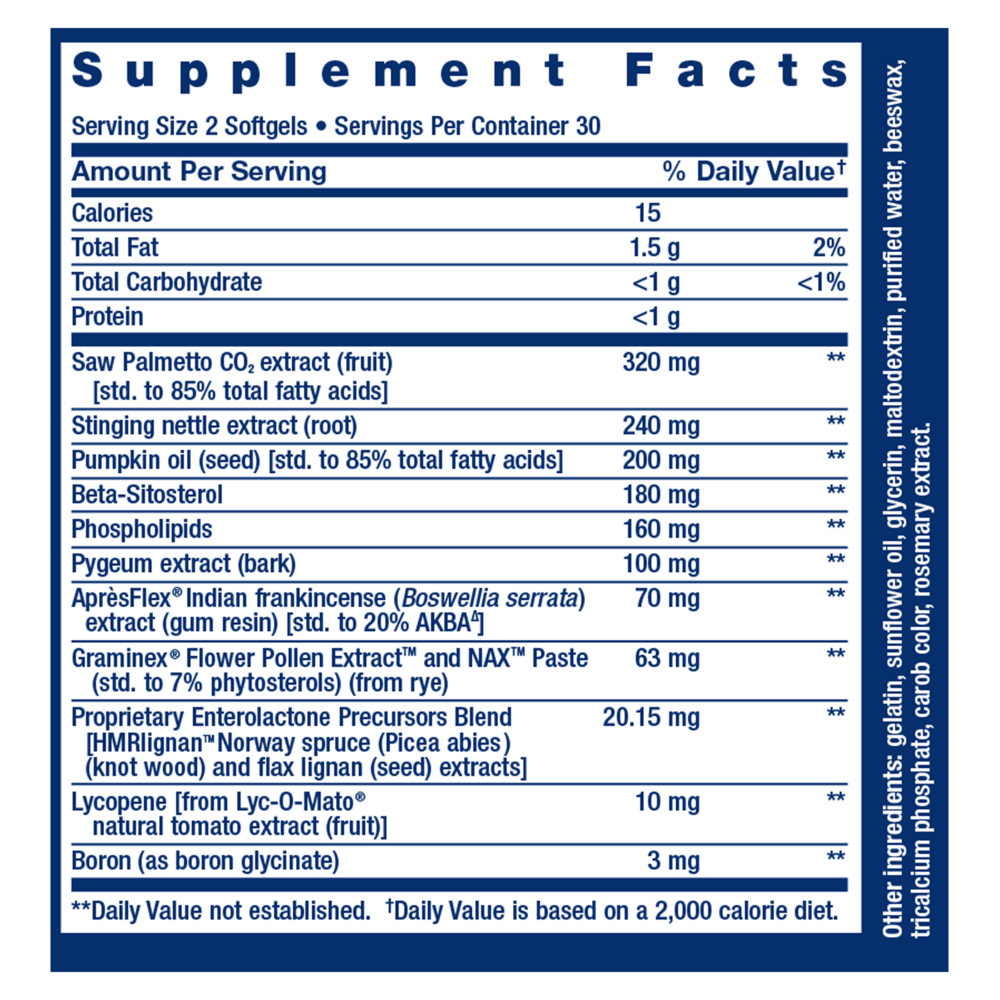
Life Extension
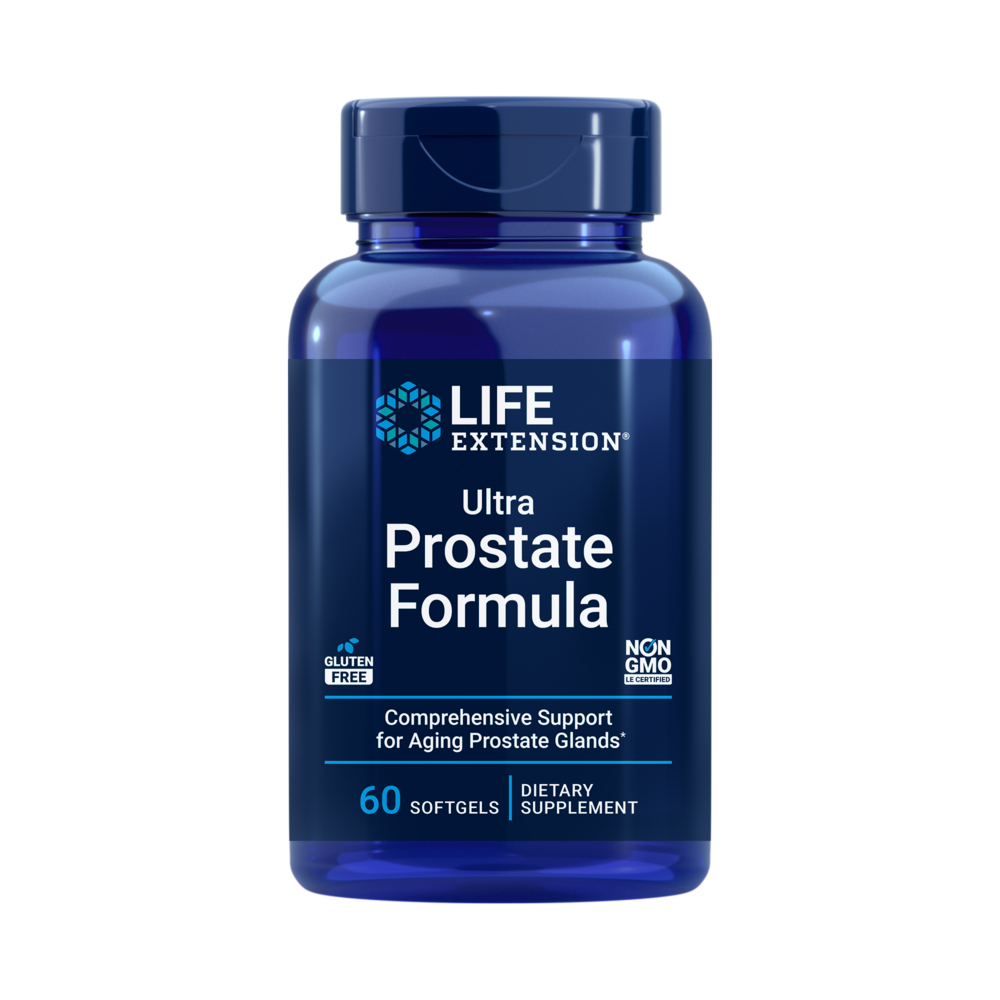
Ultra Prostate Formula by Life Extension
60 softgels · 30-day supply
Comprehensive Support for Prostate Health and Men's Wellness$39.99
Purchase options
Practitioner-grade brand3rd-party testedFree shipping $50+
Gluten Free
Life Extension Ultra Prostate Formula overview
Men with urinary symptoms from an enlarged prostate—frequent trips at night, weak stream, urgency—often look for saw palmetto for enlarged prostate before medications. This blend fits men in watchful waiting or already on an alpha‑blocker who want extra help. Get a PSA (prostate-specific antigen) test and a urine check first if symptoms are new or worsening. Red flags like blood in urine, fever, or urinary retention need medical care, not supplements.
Saw palmetto 320 mg and beta-sitosterol 180 mg act on 5‑alpha‑reductase (the enzyme that turns testosterone into DHT, a growth signal for prostate tissue), which is why some men notice easier flow. Nettle root and pygeum help calm prostate and bladder irritation, which can lower nighttime urination. Lycopene from tomato, pumpkin seed oil, and pollen extracts add anti-inflammatory effects, and boron may nudge steroid hormone handling. Evidence is mixed for big prostate size changes, but symptom scores and flow often improve modestly.
Take two softgels daily with food. These are fat-based extracts, so a meal helps absorption. Most men judge benefit over 4 to 12 weeks; stick with a consistent schedule before you decide. If you’re on finasteride or dutasteride, this is a maintenance add-on at best. If symptoms are severe or you’re getting up hourly at night, discuss medication while you trial this.
Saw palmetto and pollen extracts can have mild antiplatelet effects. If you take blood thinners like warfarin, apixaban, rivaroxaban, or clopidogrel, talk to your clinician and pause 1 week before surgery. Combine cautiously with finasteride or dutasteride to avoid masking changes in DHT (dihydrotestosterone, the prostate growth signal). Track PSA with your clinician; any unexpected rise needs evaluation.
Frequently asked questions
How long does saw palmetto take to work?
Most men who respond notice easier flow and fewer nighttime trips within 4 to 12 weeks. Give it a full 8 weeks before judging. If symptoms are severe or worsening during that time, see your clinician to consider medications or further evaluation.
Does saw palmetto lower PSA levels?
It generally doesn’t reliably lower PSA (prostate-specific antigen). Use PSA to track your baseline and trends with your clinician. Any significant change—up or down—should be interpreted in context of symptoms, infections, ejaculation timing, and procedures.
Can I take this with tamsulosin (Flomax)?
Yes, many men layer a phytosterol blend with an alpha-blocker like tamsulosin. Monitor blood pressure and dizziness, as improved flow plus medication can occasionally cause lightheadedness. Reassess symptoms after 8 to 12 weeks to see if both are still needed.
Is saw palmetto safe with finasteride or dutasteride?
Use cautiously. All act on the DHT pathway, so benefits can overlap and side effects may add. If you combine them, do it under guidance and keep an eye on sexual side effects and lab trends. Don’t adjust prescription doses without your prescriber.
Will this shrink an enlarged prostate or just help symptoms?
Expect symptom relief more than size reduction. Studies consistently show modest improvements in symptom scores and urinary flow. Changes in actual prostate volume are smaller and less consistent. That’s why many men use it for comfort and sleep quality.
What side effects should I watch for?
Most users tolerate it well. Possible effects include mild stomach upset, headache, or dizziness. Rarely, bruising or nosebleeds can occur, especially if combined with blood thinners. Stop and seek care for allergic reactions, severe pain, fever, or urinary retention.
Which labs should I monitor while taking it?
Track PSA with your clinician, ideally on the same schedule you’d use without supplements. If you’re on finasteride or dutasteride, discuss whether to check DHT (dihydrotestosterone) or free testosterone. New or changing symptoms also warrant a urinalysis.
How to take it & ingredients
Suggested use: Take two (2) softgels daily with food, or as recommended by a healthcare practitioner.
Active ingredients
2 softgels per serving · 30 servings
Saw Palmetto CO2 extract
(fruit)(std. to 85% total fatty acids)
(fruit)(std. to 85% total fatty acids)
320 mg
Stinging nettle extract
(root)
(root)
240 mg
Pumpkin oil
(seed)(std. to 85% total fatty acids)
(seed)(std. to 85% total fatty acids)
200 mg
Beta-Sitosterol
180 mg
Phospholipids
160 mg
Pygeum extract
(bark)
(bark)
100 mg
AprèsFlex® Indian frankincense extract
(Boswellia serrata)(gum resin)(std. to 20% AKBA)
(Boswellia serrata)(gum resin)(std. to 20% AKBA)
70 mg
Graminex® Flower Pollen Extract™ and NAX™ Paste
(std. to 7% phytosterols)(from rye)
(std. to 7% phytosterols)(from rye)
63 mg
Proprietary Enterolactone Precursors Blend
HMRlignan™ Norway spruce (Picea abies)(knot wood) and flax lignan (seed) extracts
HMRlignan™ Norway spruce (Picea abies)(knot wood) and flax lignan (seed) extracts
20.15 mg
Lycopene
From Lyc-O-Mato® natural tomato extract (fruit)
From Lyc-O-Mato® natural tomato extract (fruit)
10 mg
Boron
As boron glycinate
As boron glycinate
3 mg
Other ingredients: Gelatin, Sunflower Oil, Glycerin, Maltodextrin, Purified Water, Beeswax, Tricalcium Phosphate, Carob Color, Rosemary Extract
Certifications
Benefits
Warnings
Customers also considered
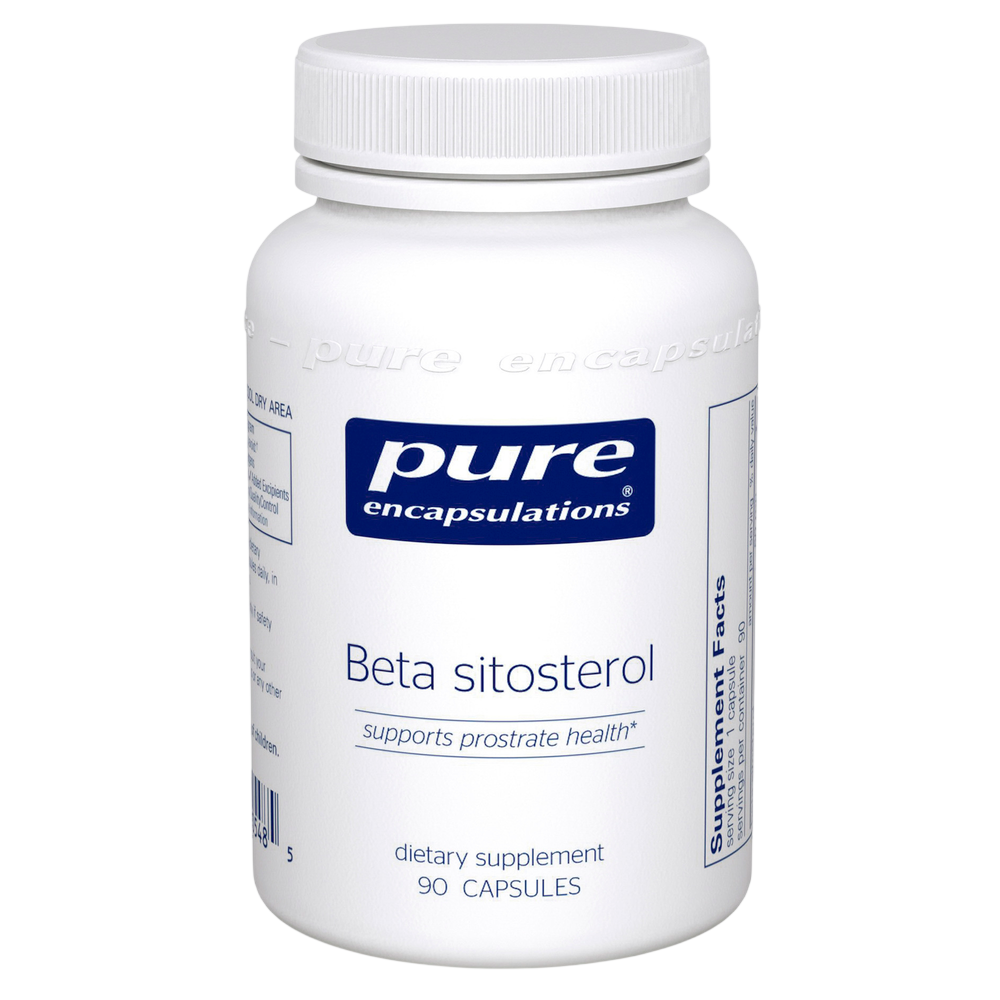
Beta-Sitosterol
Pure Encapsulations
90 capsules
$21.50$16.99 with Subscribe & Save

Prostate 2.4
Theralogix
180 capsules
$122.99$97.99 with Subscribe & Save

Prostate PQ Rye Grass Flower Pollen & Quercetin Supplement
Theralogix
180 tablets
$130.99$104.99 with Subscribe & Save
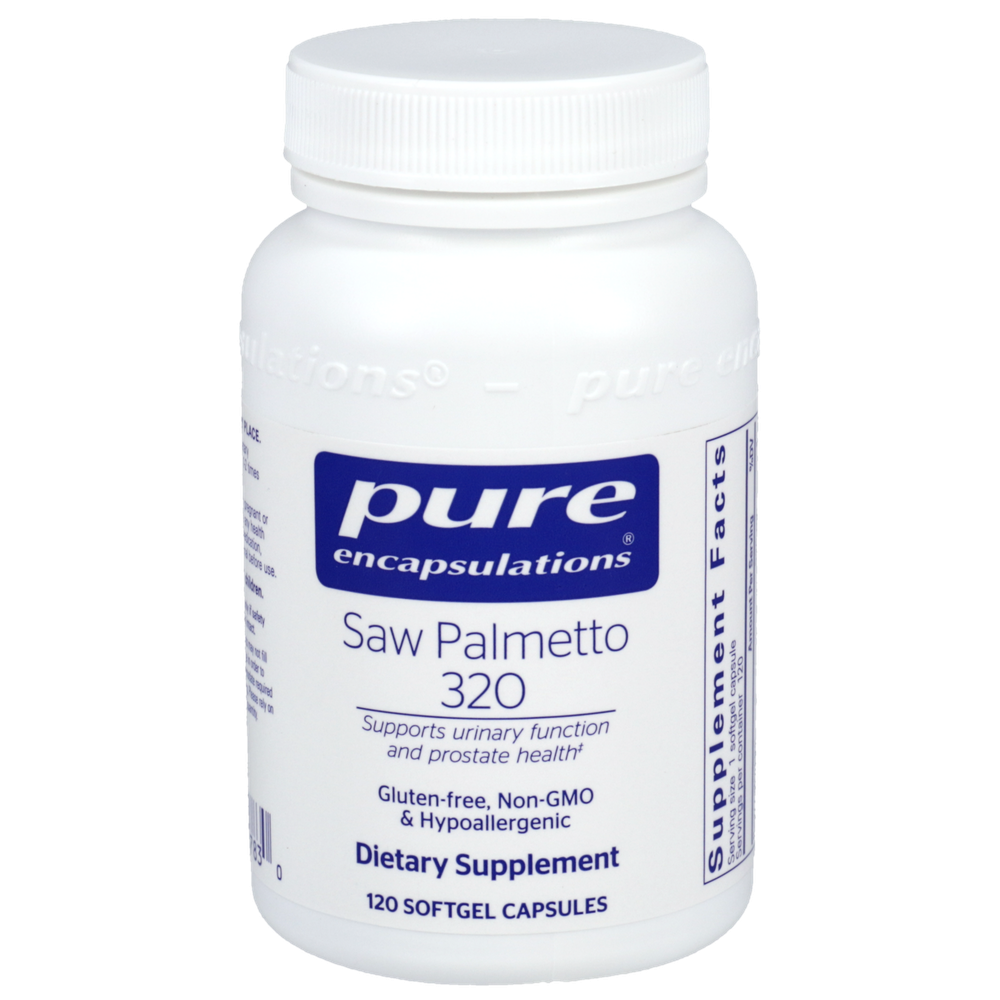
Saw Palmetto 320
Pure Encapsulations
120 softgels
$89.50$71.99 with Subscribe & Save