 Instalab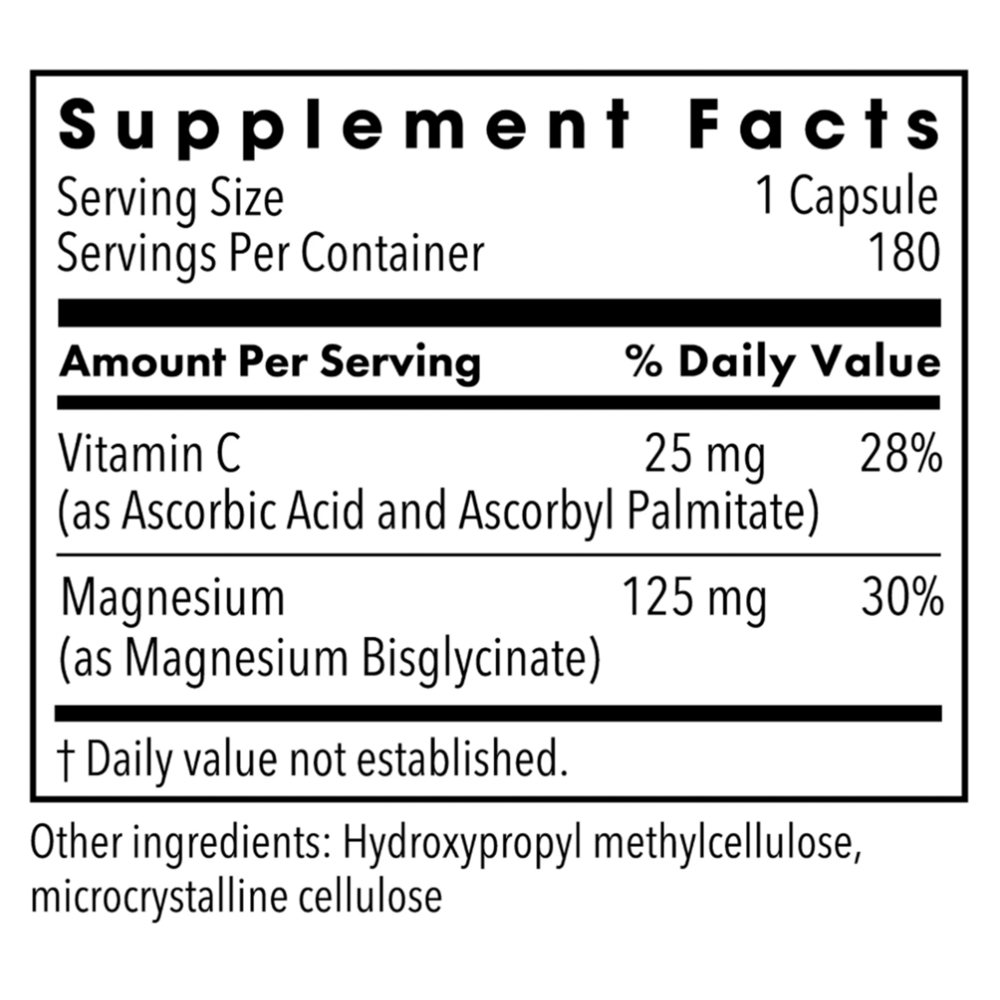

Metabolic Maintenance
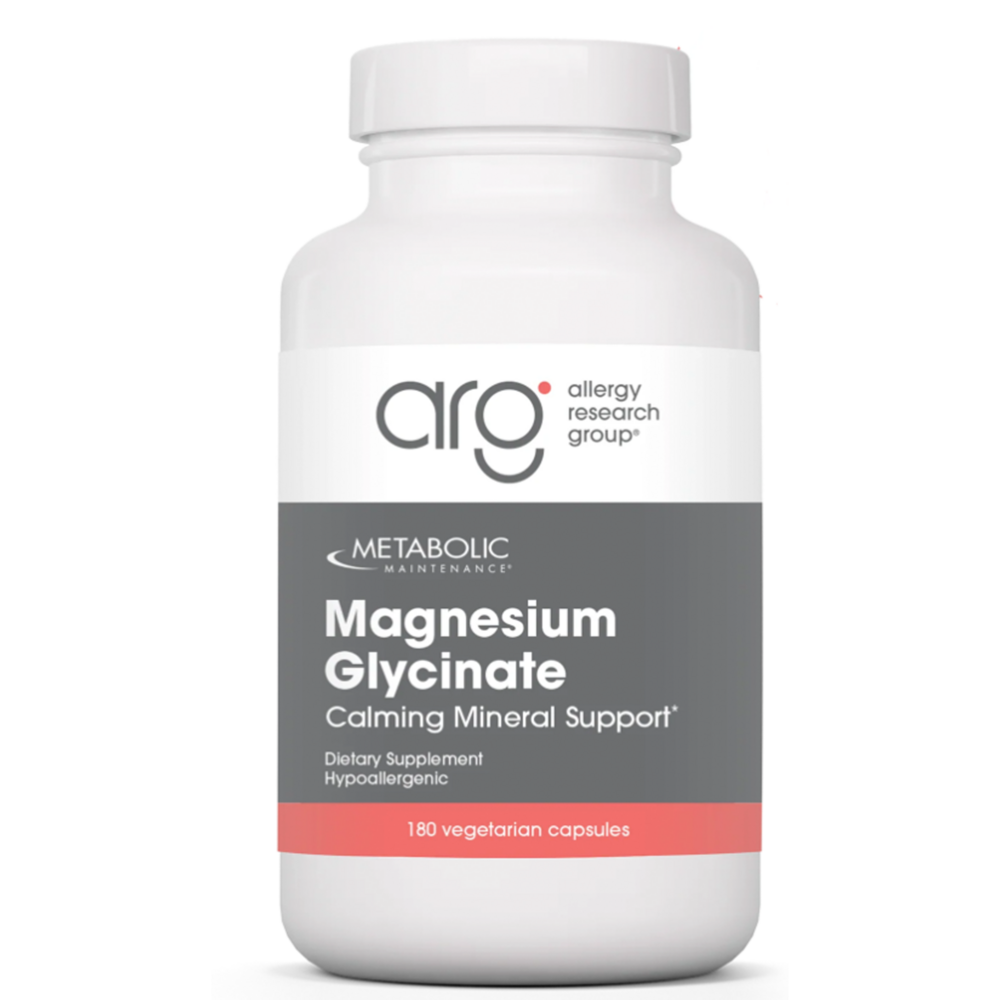
Magnesium Glycinate by Metabolic Maintenance
180 capsules · 180-day supply
Supports Muscle Function and Relaxation with Bioavailable Magnesium$42.99retail
Add to cart for 21% off
Purchase option
21% below MSRP3rd-party tested for purity & potencyFree shipping $50+
Vegetarian·Gluten Free·Dairy Free·Egg Free·Milk Free
Metabolic Maintenance Magnesium Glycinate overview
If you’re looking at magnesium glycinate for sleep, stress, or muscle tightness, you’re the target. It’s a good fit if your Serum Magnesium or Magnesium, RBC is in the lower range, you have frequent muscle cramps, or your diet is light on nuts, legumes, and greens. People on diuretics or proton pump inhibitors often run low. The 125 mg here is a maintenance-level dose; if you have established deficiency, you’ll likely need a higher daily total under clinician guidance, then step down.
This form binds magnesium to glycine, an amino acid that’s calming in the brain, which improves absorption and is easier on the gut than oxide or citrate. Magnesium helps muscle fibers relax by opposing calcium entry into cells and steadies nerve signaling, which is why cramp frequency often falls. It’s not a sedative, but better magnesium status can improve sleep quality and reduce nighttime awakenings. Modest reductions in blood pressure and tension headaches are seen in some patients over time.
Start with one serving in the evening with a snack, especially if sleep or nighttime leg cramps are your goals. If you also want daytime calm or headache prevention, split the total into morning and evening. Expect sleep and muscle changes within 1–2 weeks, and metabolic or blood pressure effects in 4–8 weeks. If you need more than a maintenance dose, consider adding a second serving rather than jumping to a laxative form.
Separate magnesium glycinate by at least 2 hours from levothyroxine, tetracycline or fluoroquinolone antibiotics, and oral bisphosphonates, which it can bind and reduce absorption. Advanced kidney disease raises the risk of high magnesium, so use only with medical oversight. If you’re using magnesium-containing antacids or laxatives, count that intake. Pregnancy and breastfeeding are generally fine at maintenance doses, but confirm your plan with your clinician and track Serum Magnesium or Magnesium, RBC as needed.
Frequently asked questions
Does magnesium glycinate help you sleep?
Often, yes. It isn’t a sedative, but better magnesium status can improve sleep quality and reduce nighttime awakenings. Glycinate is gentle and well absorbed. Expect changes within 1–2 weeks if low magnesium was part of the problem.
How long does magnesium glycinate take to work for muscle cramps?
For many people, cramp frequency and muscle tightness begin to ease within 1–2 weeks. If cramps are driven by dehydration, low potassium, or medications, magnesium alone may not fully solve it. Recheck your plan if there’s no change in a month.
Will magnesium glycinate cause diarrhea?
Unlikely. Glycinate is one of the best-tolerated forms and is less laxative than oxide or citrate. If you’re very sensitive, start with a half serving and take it with food. Persistent loose stools usually mean the dose is too high for you.
What time of day should I take magnesium glycinate?
Evening is common if sleep is your goal. For broader benefits, split the dose morning and evening. Consistency matters more than clock time. Take it with a snack if you have a sensitive stomach.
Can I take magnesium glycinate with antidepressants or anxiety meds?
Usually, yes. There’s no common direct interaction with SSRIs or SNRIs. Still, separate it from medications by 2 hours to avoid binding in the gut, and check with your prescriber if you use sedatives or multiple supplements affecting relaxation.
Does magnesium interact with thyroid medication?
Yes. Magnesium can reduce absorption of levothyroxine. Take thyroid medication on an empty stomach, then wait at least 2 hours before magnesium glycinate. Keep the timing consistent so your dose doesn’t appear to change on labs.
Which lab test tracks magnesium status best?
Serum Magnesium is common but can look normal even when tissue levels are low. Magnesium, RBC gives a better picture of longer-term status. Recheck after 8–12 weeks of steady intake if you’re adjusting your dose.
How to take it & ingredients
Suggested use: Use as a dietary supplement as directed by a healthcare professional.
Active ingredients
1 capsule per serving · 180 servings
Vitamin C
Ascorbic Acid and Ascorbyl Palmitate
Ascorbic Acid and Ascorbyl Palmitate
25 mg
Magnesium
Magnesium Bisglycinate
Magnesium Bisglycinate
125 mg
Other ingredients: Vegetarian cellulose capsule
Certifications
Benefits
Warnings