 Instalab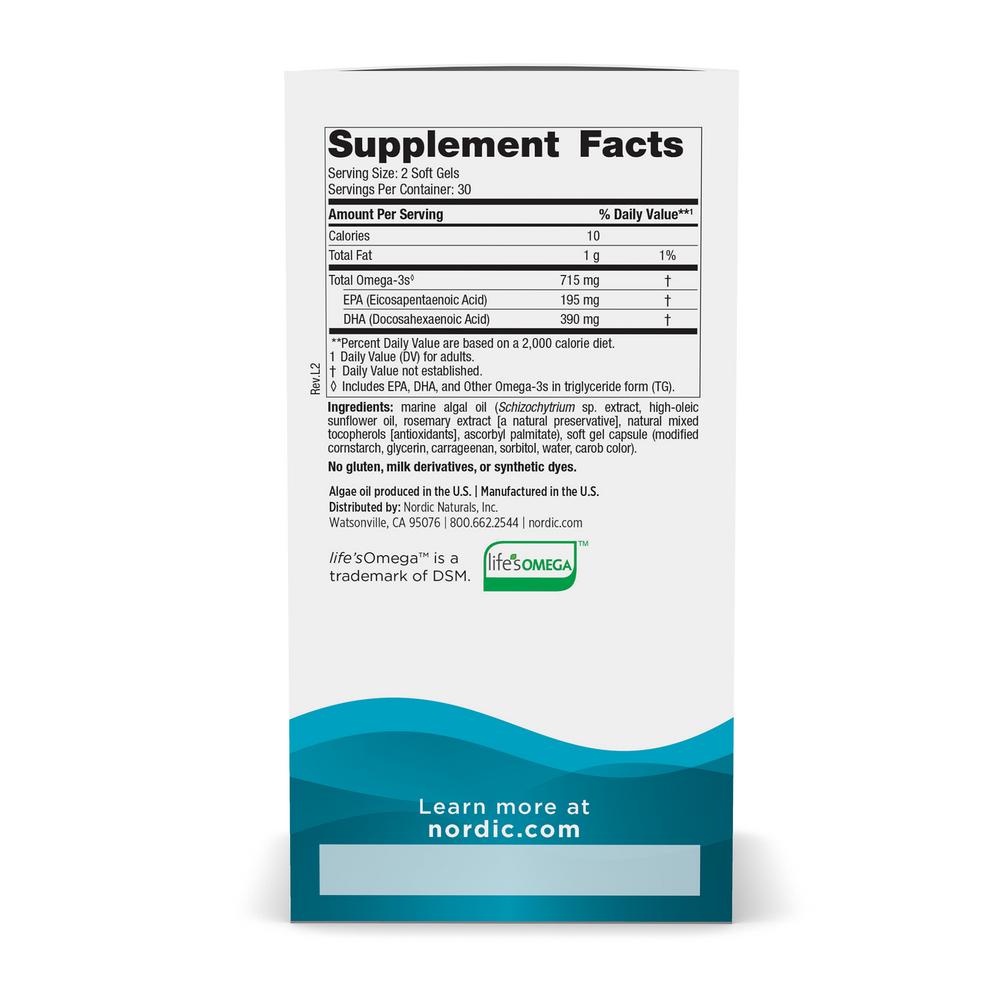

Nordic Naturals
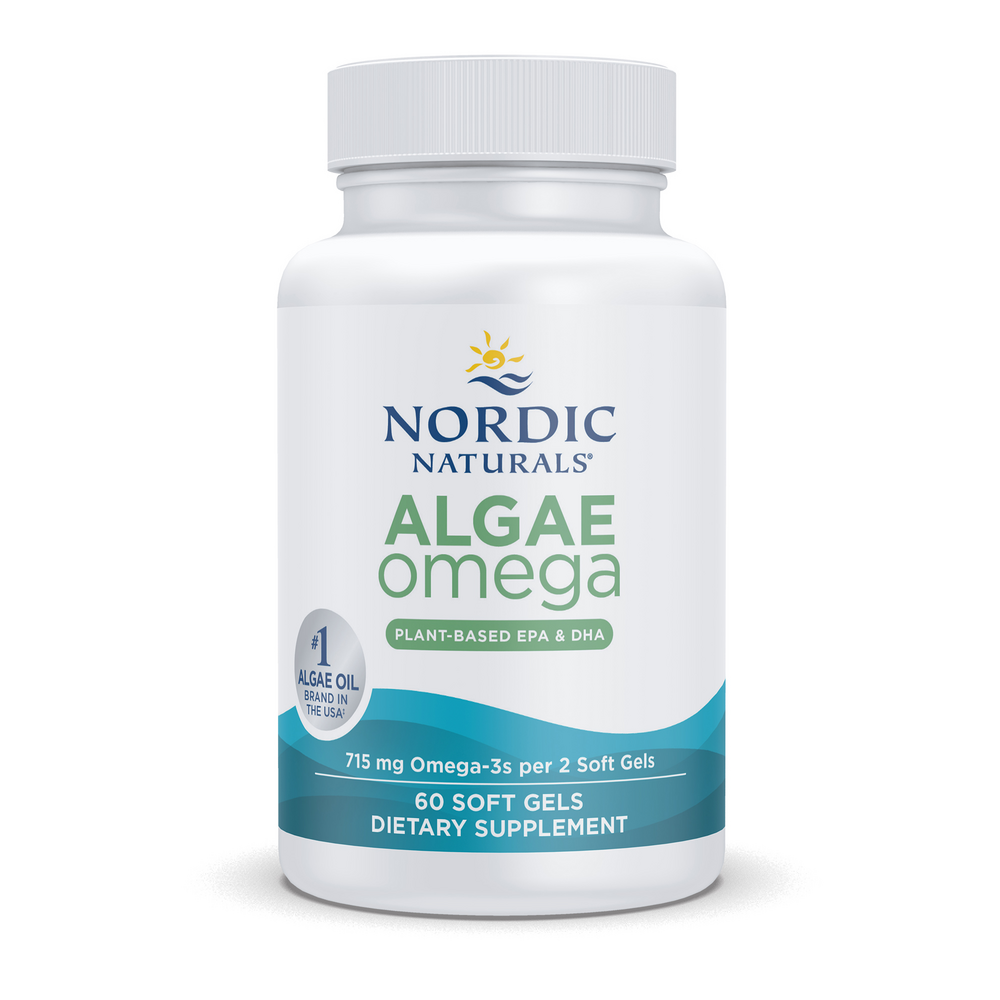
Algae Omega 715 mg by Nordic Naturals
60 softgels · 30-day supply
Plant-Based Omega-3s for Heart, Brain, and Eye Health$30.99retail
Add to cart for 19% off
Purchase option
19% below MSRP3rd-party tested for purity & potencyFree shipping $50+
Vegan·Vegetarian·Gluten Free·Dairy Free·Egg Free·Fish Free·
Nordic Naturals Algae Omega overview
If you avoid fish but want the clinically active omega-3s, this algae omega-3 fits. It’s a direct source of EPA and DHA, the long‑chain fats your body can’t reliably make from flax or chia. It’s most useful if your Omega-3 Index is low or low‑normal, if you’re pregnant planning without seafood, or if you have a fish allergy. The daily 715 mg total is a maintenance‑level dose; for high triglycerides, you typically need gram‑level omega-3 under clinician guidance.
EPA and DHA from algal oil act the same as fish oil: they lower how much fat your liver sends out in VLDL particles (the carriers that show up as triglycerides), and they nudge cells to burn fatty acids for energy faster. DHA is also a structural fat in the brain and retina, which explains why steady intake tracks with cognition and vision measures over time. These fats displace arachidonic acid in cell membranes, shifting eicosanoids (local signaling molecules), which is the basis for modest hs-CRP reductions in some people.
Take two softgels with a meal that contains fat; absorption is better with food. Consistency matters: expect Omega-3 Index movement within 8–12 weeks. If your clinician wants higher‑intensity support, the label allows two softgels twice daily with food, but for aggressive triglyceride goals many patients use prescription‑strength or higher‑dose omega-3. Re‑test your Omega-3 Index, triglycerides, and hs-CRP after 8–12 weeks to confirm it’s working for you.
Omega-3 at typical doses is well tolerated, but it can slightly increase bleeding tendency. Use caution if you take warfarin, a direct oral anticoagulant, or antiplatelets like clopidogrel; involve your prescriber and follow surgery guidance about pausing supplements. Orlistat (the fat‑blocking drug) can reduce omega-3 absorption. If you have a history of atrial fibrillation (irregular heart rhythm), avoid very high omega-3 doses unless managed by a cardiologist.
Is algae omega-3 as good as fish oil? Yes—EPA and DHA are identical molecules, just a fish‑free source. How fast will triglycerides drop? In responders, reductions typically appear within 4–12 weeks at gram‑level doses; this maintenance dose is for upkeep, not aggressive lowering. Mercury? Microalgae are at the start of the food chain, so products like Nordic Naturals Algae Omega are effectively mercury‑free.
Frequently asked questions
Is algae omega-3 as effective as fish oil?
Yes. EPA and DHA from microalgae are the same molecules found in fish oil, so blood levels and benefits track similarly at matched doses. The difference is source and sustainability, not biology.
How long does vegan omega-3 take to work?
Omega-3 levels in blood (Omega-3 Index) typically rise within 8–12 weeks of daily use. Triglyceride changes, if you’re on an adequate dose, usually show up in 4–12 weeks on a lipid panel.
What dose of omega-3 lowers triglycerides?
Most triglyceride reductions (about 20–30% in responders) occur at gram‑level EPA+DHA intake. The 715 mg daily here is a maintenance dose; use higher doses or prescription omega-3 under clinician guidance.
Can I take algae omega-3 with blood thinners?
Use caution. Omega-3 can modestly increase bleeding risk. If you take warfarin, a direct oral anticoagulant, or clopidogrel, involve your prescriber and monitor per their plan, especially before procedures.
Do I need to take vegan omega-3 with food?
Yes. Taking it with a meal that contains fat improves absorption and reduces fishy burps. Splitting the dose with breakfast and dinner can also improve tolerance.
How do I know if it’s working?
Re‑test your Omega-3 Index after 8–12 weeks, and check triglycerides and hs-CRP if those are goals. Symptoms are unreliable; lab markers give you an objective readout.
Is algae omega-3 safe in pregnancy?
DHA from algae is commonly used in pregnancy and is fish‑free. Confirm your total EPA+DHA target with your obstetric clinician and bring all supplements to prenatal visits.
Will algae omega-3 upset my stomach?
It’s usually easy on the stomach, especially with food. If you notice reflux, take it with your largest meal or split doses. Persistent GI symptoms warrant a pause and a note to your clinician.
How to take it & ingredients
Suggested use: Adults take two soft gels daily, with food, or as directed by your health care professional. For higher-intensity support, take two soft gels twice daily with food.
Active ingredients
2 softgels per serving · 30 servings
▼
Omega-3 Fatty Acids
Marine algal oil (Schizochytrium sp. extract)
Marine algal oil (Schizochytrium sp. extract)
715 mg
Eicosapentaenoic Acid (EPA)
195 mg
Docosahexaenoic Acid (DHA)
390 mg
Other ingredients: High-oleic sunflower oil, Rosemary extract (natural preservative), Natural mixed tocopherols (antioxidants), Ascorbyl palmitate, Modified cornstarch, Glycerin, Carrageenan, Sorbitol, Water, Carob color
Certifications
Benefits
Warnings