 Instalab
Plant Omegas
Plant-based omega-3s from algae deliver vegan EPA and DHA.
Our vetting standard
Every plant omegas formula here clears the same bar.
- Clinically studied, effective doses
- Bioavailable, well-absorbed forms
- Practitioner-grade, trusted brands
- Third-party tested for identity and potency
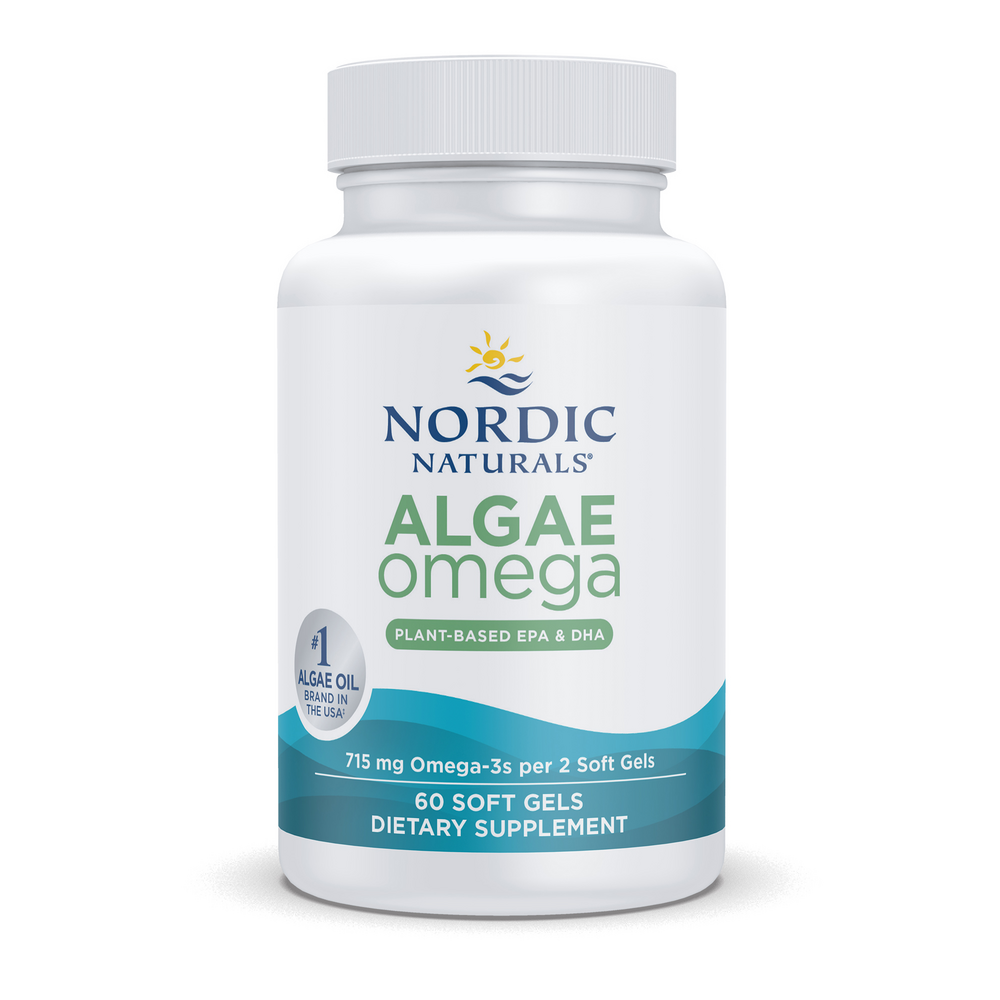
See if it's actually working
ALA converts to EPA and DHA poorly, so the test that matters is whether the Omega-3 Index actually rose, not whether plasma ALA did.
Plant Omegas FAQs
Are plant omegas as good as fish oil?
Algae-based EPA/DHA is essentially identical to fish oil — fish actually get their omega-3s from algae. Flax, chia, and walnut oils provide ALA, which the body converts inefficiently to EPA/DHA (5–10% conversion). For vegans, algal oil is the best option.
How much algal omega-3 should I take?
1,000–2,000 mg of combined EPA + DHA per day, the same as fish oil targets. Look for products that disclose actual EPA and DHA content per softgel, not just total algal oil mass.
Are there sustainability advantages?
Yes. Algal oil is grown in controlled fermentation, avoiding fishery pressure and ocean contaminants like mercury and PCBs. It's also free of fish burps, which is a common reason people stop fish oil.
Will flax or chia seeds give me enough omega-3?
Probably not. Flax and chia provide ALA, which converts to EPA at only 5–10% and to DHA at less than 1%. To match a 1,000 mg EPA+DHA fish oil dose, you'd need 30+ g of ground flax daily — and even then DHA conversion is poor. Algae oil is the practical vegan solution.
Algae oil vs. fish oil — which is better for pregnancy?
Both work; algae has cleanliness advantages. Algal DHA is contaminant-free by design and avoids fish-related concerns. Pregnant vegans/vegetarians and women avoiding seafood for mercury reasons usually choose algae oil at 200–300 mg DHA daily.
How long until plant omegas work?
Triglycerides drop within 4 weeks at 4 g/day. Inflammation markers and joint stiffness improve over 8–12 weeks. Cell membrane omega-3 content (omega-3 index) takes 4 months to fully equilibrate. Effects mirror fish oil since the active molecules are identical.
Will I taste algae or get burps?
Most modern algal oils are tasteless and don't cause burps. They lack the fishy aftertaste of fish oil. Quality matters — go with brands using purification and stability testing. Liquid algal oil can have a mild grassy taste; capsules are typically odorless.
Are plant omegas as effective for heart health?
Yes. The cardiovascular benefits of EPA and DHA come from the molecules themselves, regardless of source. Algal oil has been studied directly for triglyceride reduction with effects matching fish oil at equivalent doses.
How are plant omegas processed?
Microalgae (Schizochytrium, Crypthecodinium) are grown in fermentation tanks, harvested, and the oil extracted using cold processing. The oil is then encapsulated. The whole process is land-based and doesn't impact ocean ecosystems.
Are there any drawbacks vs. fish oil?
Cost — algal oil is typically 2–3x more expensive per gram of EPA+DHA. Some products are lower in EPA than DHA (depends on the algal strain). For specific EPA-focused goals (mood, inflammation), check ratios. For DHA-focused goals (brain, eye, pregnancy), algae oil shines.