 Instalab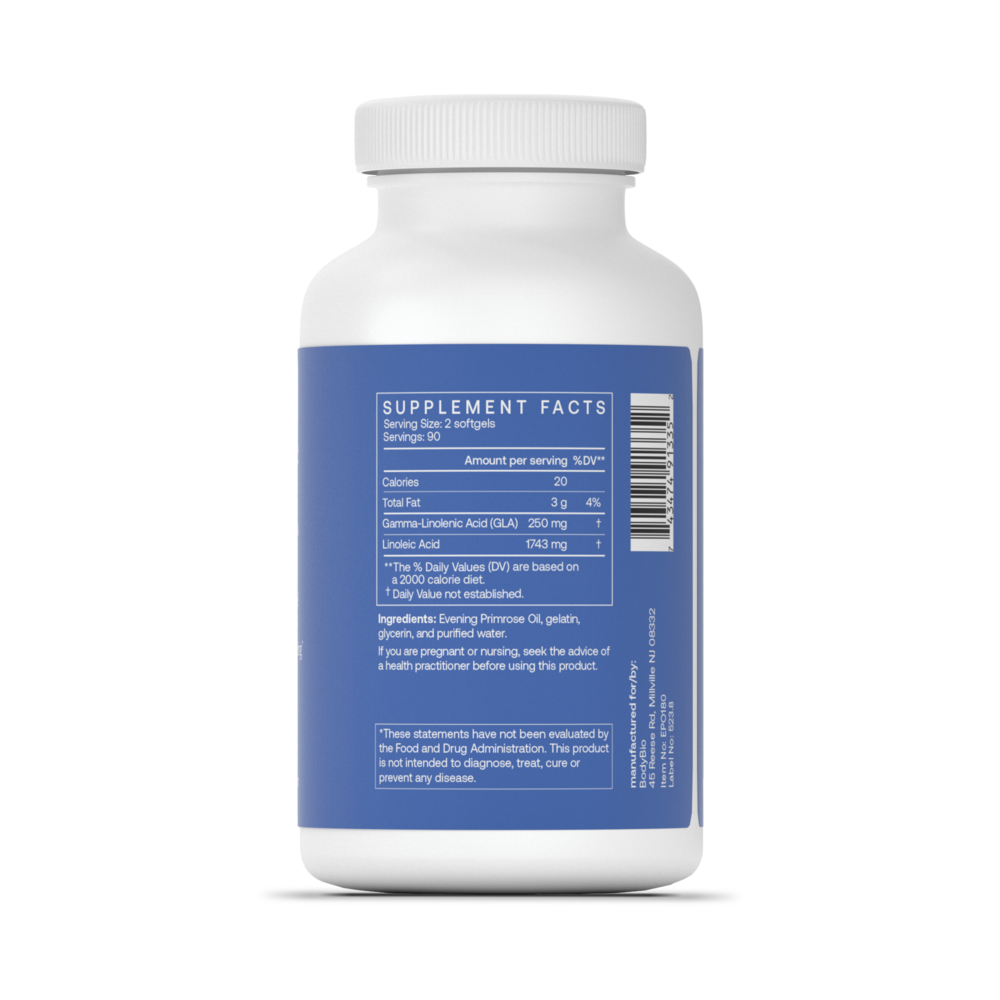

Body Bio
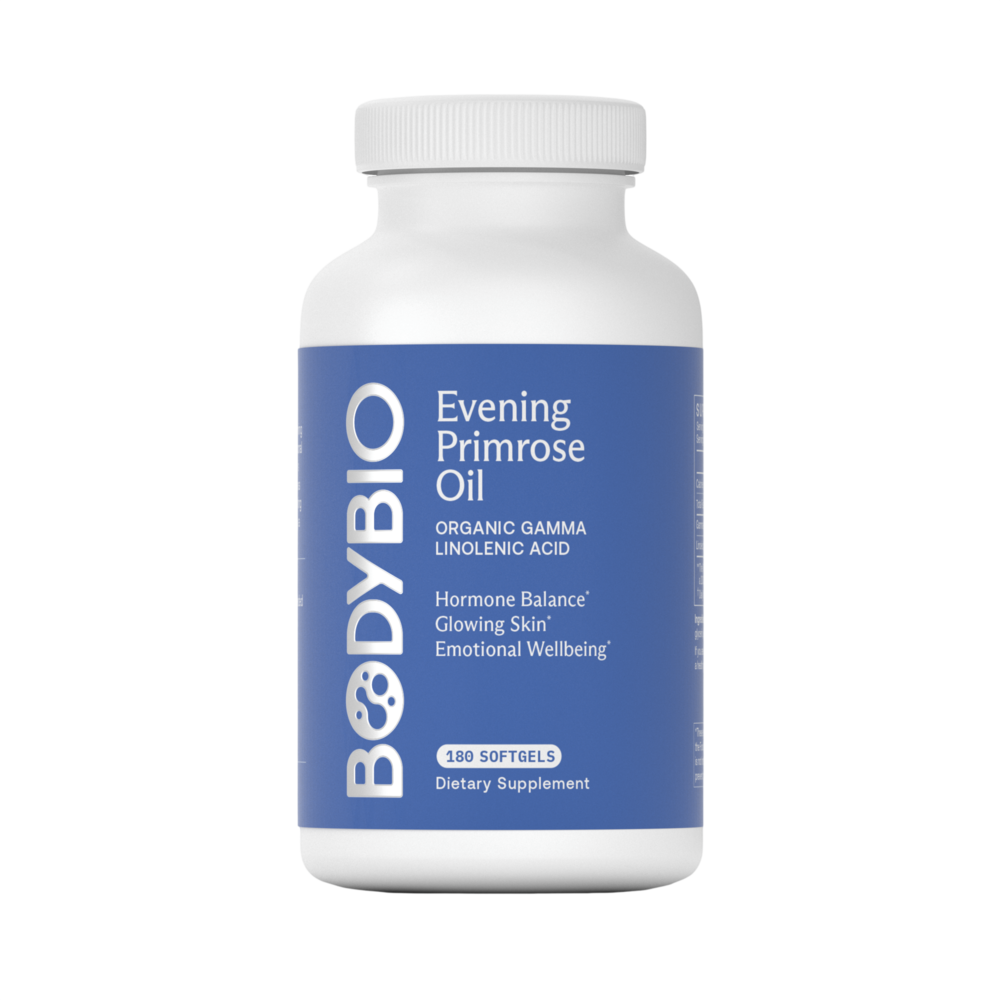
Evening Primrose Oil by Body Bio
180 softgels · 180-day supply
Supports Hormonal Balance and Skin Health with Essential Fatty Acids$69.99
Purchase options
Practitioner-grade brand3rd-party testedFree shipping $50+
Body Bio Evening Primrose Oil overview
Cyclic breast tenderness around your period is the most common reason to try evening primrose oil. The 130 mg of GLA (gamma-linolenic acid, an omega-6 your body uses to make calming signals) per softgel fits adults aiming for a maintenance-level dose for breast pain or dry, itchy skin. Expect any effect within 8 to 12 weeks, usually after 2 to 3 cycles. If your Omega-3 Index is low or your triglycerides are elevated, prioritize fish oil first; evening primrose oil is not a triglyceride-lowering tool.
GLA converts to DGLA (dihomo-gamma-linolenic acid), which makes series-1 prostaglandins, hormone-like signals that dial down inflammation. It also competes with arachidonic acid (the omega-6 that becomes more inflammatory signals), shifting the balance toward calmer pathways. This helps explain improvements in breast pain and skin barrier function. In studies, reductions in hs-CRP (a blood marker of inflammation) are modest and not universal, and results for eczema are mixed in Cochrane reviews.
Take 1 softgel with food to minimize reflux. For targeted relief of cyclic breast pain or very dry skin, many clinicians use 240–320 mg GLA daily, split with meals. That means two of these softgels or a higher-GLA product. Give it 8 to 12 weeks; if nothing changes, stop. Pairing with omega-3 fish oil is reasonable when your Omega-3 Index is low, because the pathways interact.
GLA has a mild blood-thinning effect. Use caution if you take anticoagulants like warfarin, apixaban, rivaroxaban, or dabigatran, or antiplatelets like clopidogrel; bruising risk can rise. Avoid if you have a seizure disorder or take phenothiazine antipsychotics (for example, chlorpromazine). Stop 1 to 2 weeks before planned surgery. Pregnancy: do not use for “cervical ripening” unless your obstetric clinician directs it.
Frequently asked questions
What is evening primrose oil used for?
Mainly for cyclic breast tenderness and very dry or itchy skin. Evidence for breast pain is better than for eczema, where trials are mixed. It is not effective for lowering triglycerides or weight.
How long does evening primrose oil take to work?
Allow 8–12 weeks. For period-related breast pain, judge over 2–3 cycles. If you see no change by then, it’s reasonable to stop or consider a different approach with your clinician.
What dose of GLA should I take?
For symptom targets, 240–320 mg GLA per day is commonly used. This softgel provides 130 mg, which is a maintenance-level dose; many adults take two daily for a trial.
Does evening primrose oil affect hormones?
It doesn’t raise or lower estrogen or progesterone. It shifts eicosanoids (short-lived signaling fats), which can ease breast tenderness and skin irritation without changing sex hormone levels.
Can I take evening primrose oil with fish oil?
Yes. Many pair GLA with omega-3s to balance pathways. If you’re on blood thinners, discuss the combo due to additive bleeding risk, and consider checking your Omega-3 Index.
Does evening primrose oil thin your blood?
It has a mild antiplatelet effect. Most healthy adults are fine, but if you take warfarin, apixaban, rivaroxaban, dabigatran, or clopidogrel, talk to your clinician first.
What side effects should I watch for?
Most tolerate it well. Possible effects include stomach upset, loose stools, headache, or mild nausea. Taking with food helps. Stop and seek care if you notice unusual bruising.
How to take it & ingredients
Suggested use: Take 1 softgel or as directed by your healthcare provider.
Active ingredients
1 softgel per serving · 180 servings
Gamma Linolenic Acid (GLA) omega 6
130 mg
Linolenic Acid omega 6
950 mg
Other ingredients: Evening Primrose Seed Oil, Gelatin, Glycerin, Water
Certifications
Benefits
Warnings
Customers also considered
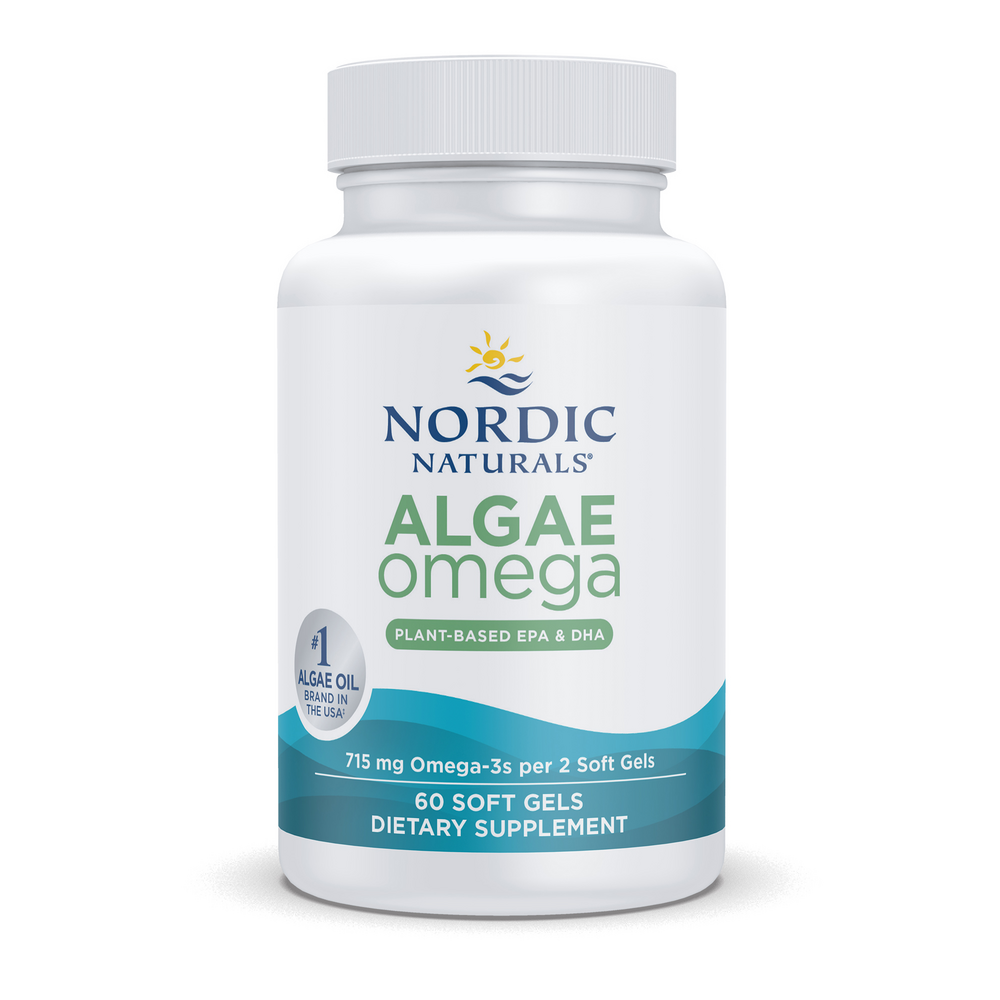
Algae Omega
Nordic Naturals
60 softgels
$30.99$24.99 with Subscribe & Save
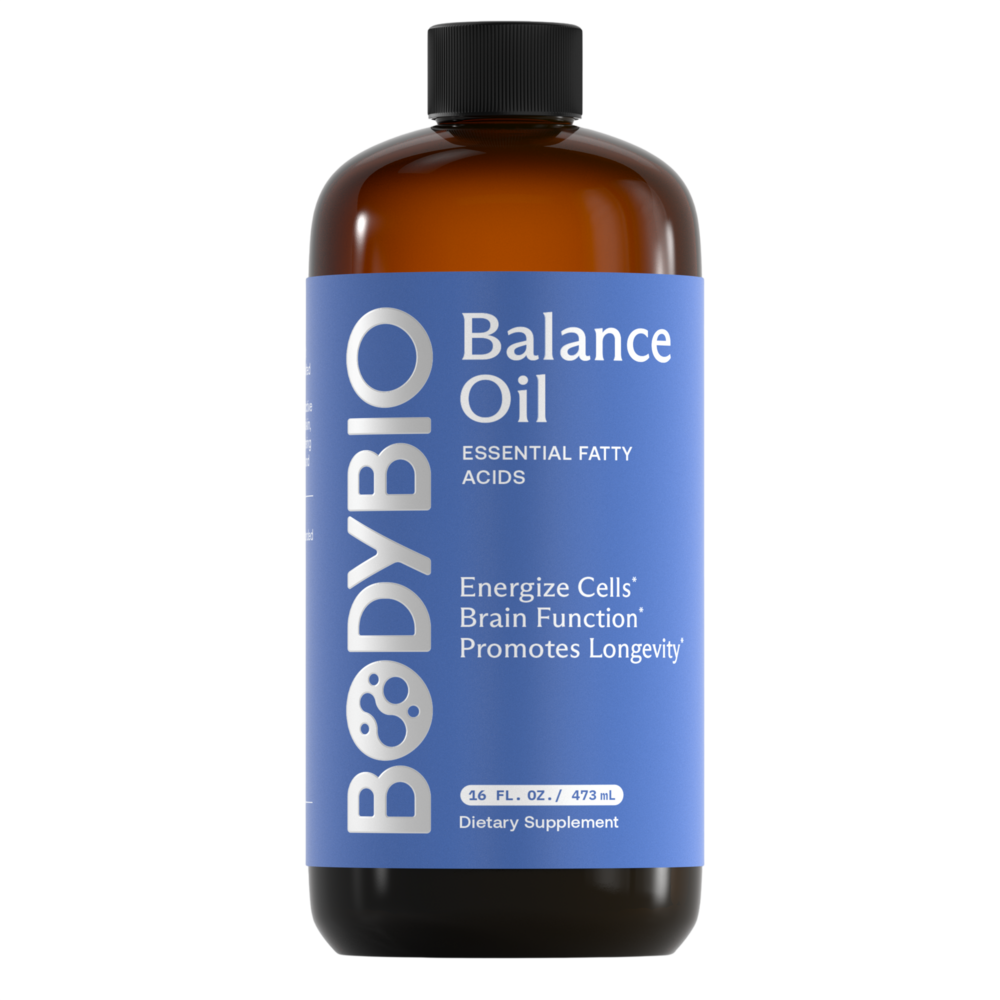
BodyBio Balance Oil
Body Bio
473 milliliters
$36.99$29.99 with Subscribe & Save
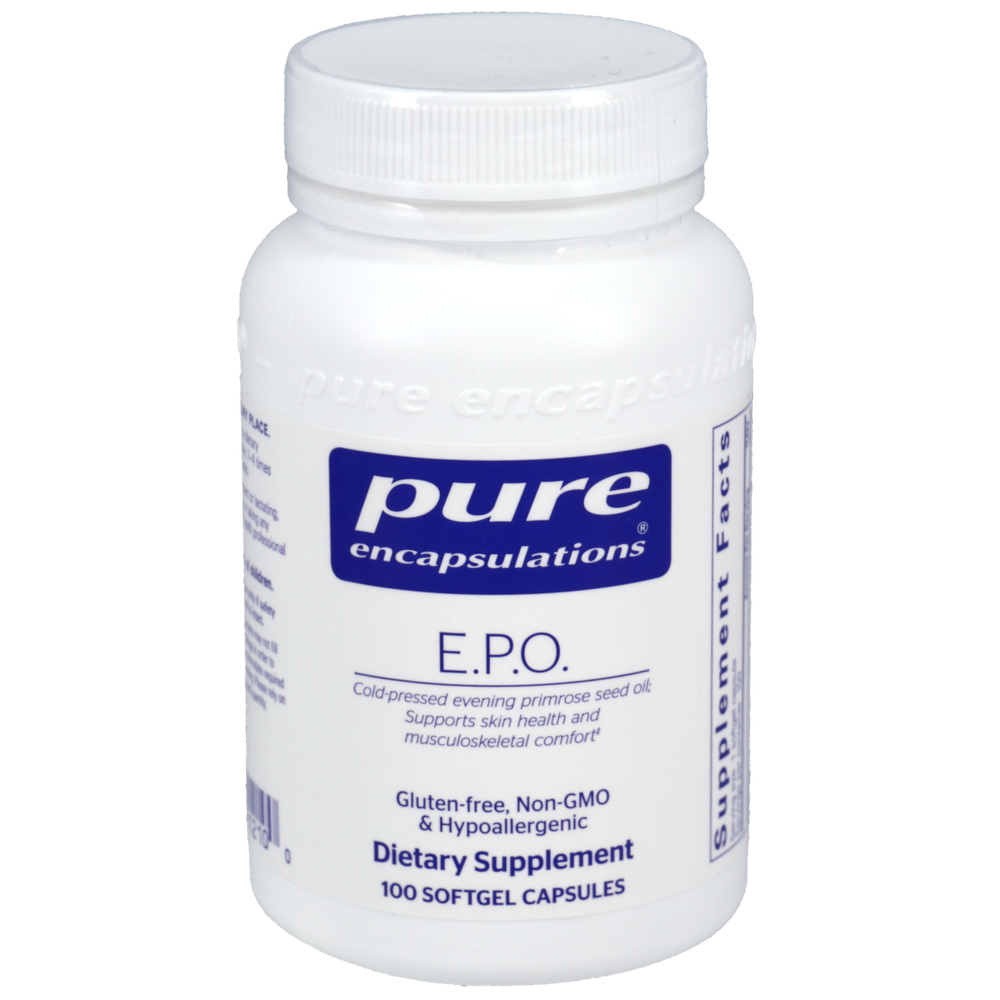
EPO
Pure Encapsulations
100 softgels
$33.00$25.99 with Subscribe & Save
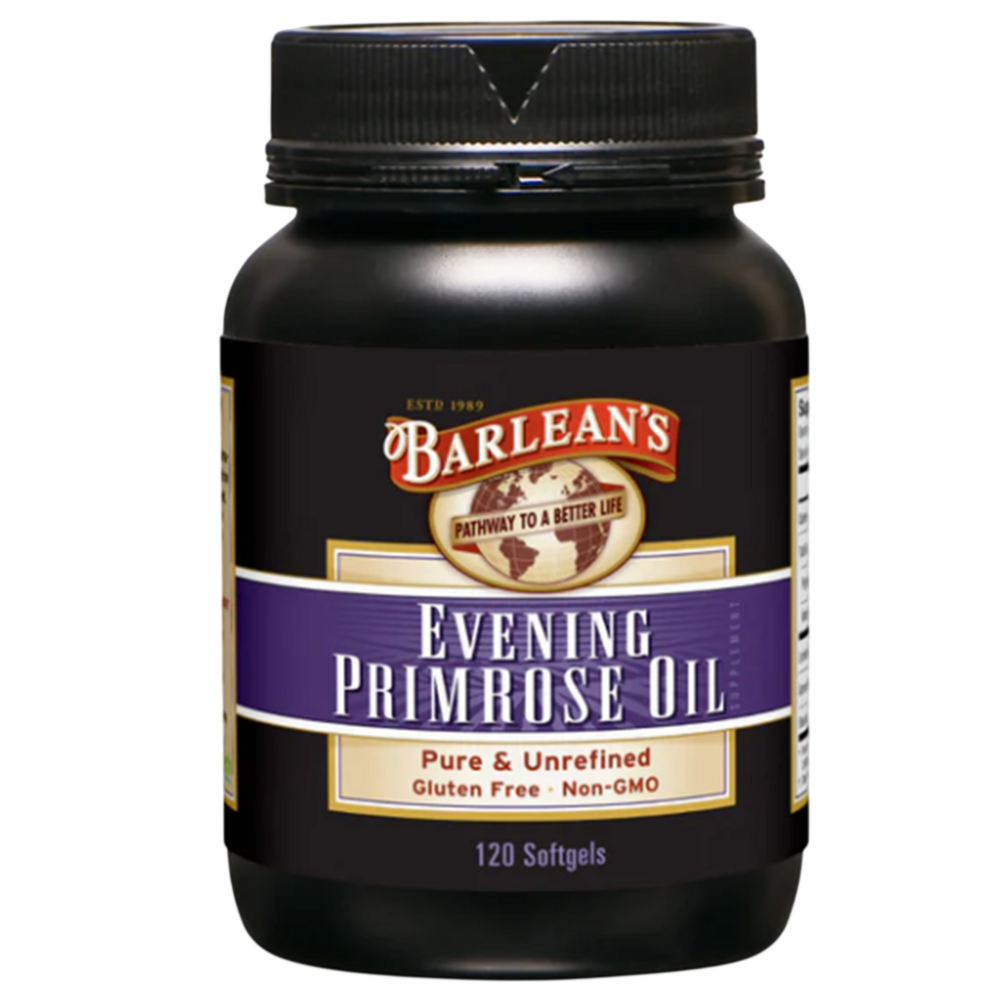
Evening Primrose Oil
Barlean's Organic Oils
120 softgels
$39.99$31.99 with Subscribe & Save