 Instalab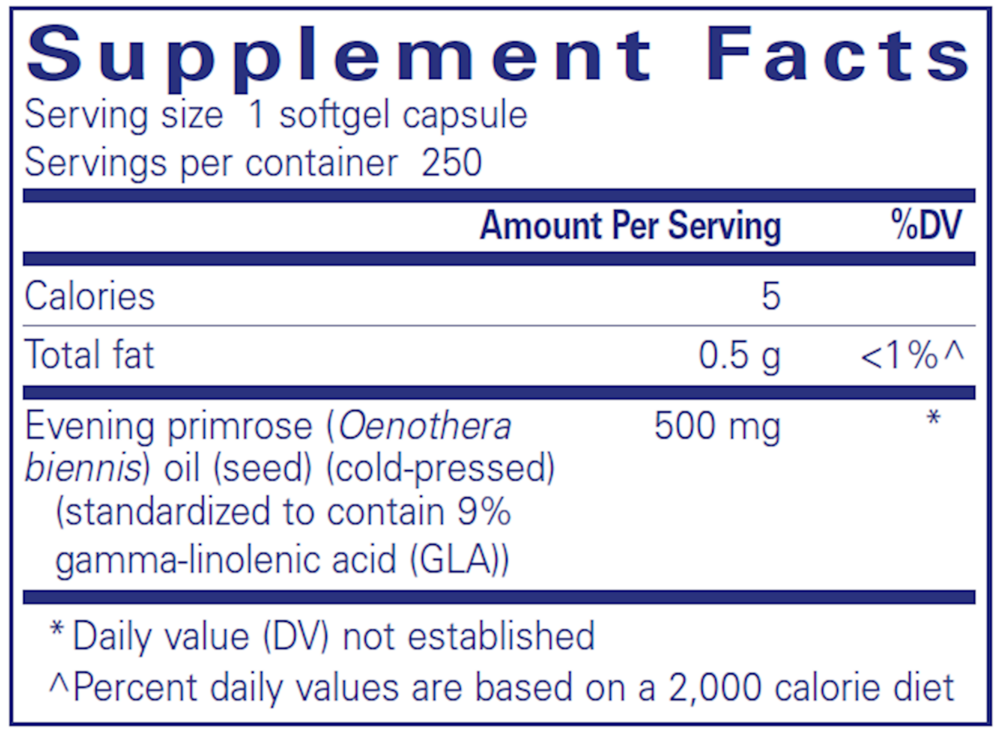
Pure Encapsulations
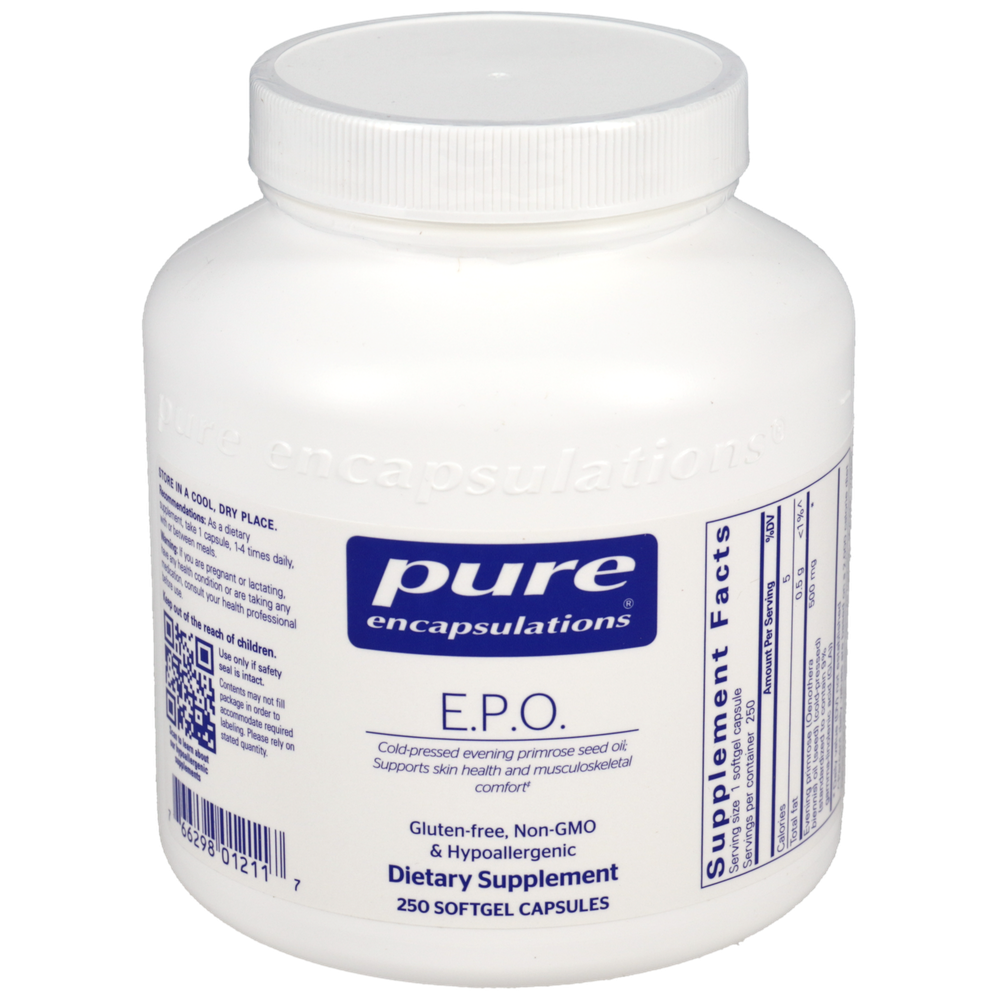
EPO 500 mg by Pure Encapsulations
250 softgels · 250-day supply
Support for Skin Health, Women's Wellness, and Hormonal Balance$72.00
Purchase options
Practitioner-grade brand3rd-party testedFree shipping $50+
Egg Free·Artificial Preservative Free·Peanut Free·Wheat Free·Artificial Sweetener Free·Artificial Color Free·
Pure Encapsulations EPO overview
If you’re searching for evening primrose oil for PMS, this fits adults with cyclical breast tenderness, irritability, or bloating across two or more cycles. It’s also reasonable for dry, itchy skin when moisturizers aren’t enough. If your Omega-3 Index is low, correct that first, then consider adding evening primrose oil. Results are gradual, typically noticed after 8–12 weeks of steady use.
Evening primrose oil is rich in gamma‑linolenic acid (GLA, an omega‑6 fat your body turns into DGLA, a building block for calming signaling molecules). That pathway increases prostaglandin E1 (cell messengers that dial down inflammatory tone), which likely explains reduced breast soreness around periods and occasional improvements in skin dryness. For eczema, large reviews show mixed results, so set expectations accordingly.
Pure Encapsulations EPO is 500 mg per capsule. Take 1–4 capsules daily, divided with meals if you prefer gentler digestion. Consistency matters more than timing. Most people gauge benefit after 2–3 menstrual cycles or 6–12 weeks for skin. You can pair evening primrose oil with fish oil; they work on different fatty acid pathways.
Avoid if you have a seizure disorder or take phenothiazines (antipsychotics), given case reports of increased seizure risk. Use caution with blood thinners, including warfarin and daily aspirin, since oils can modestly affect platelets (cells that help blood clot). Stop 1–2 weeks before surgery. Pregnancy and nursing: only use with clinician guidance.
Frequently asked questions
Does evening primrose oil actually help PMS?
It helps some people, mainly with cyclical breast tenderness and sometimes mood or bloating. Expect modest effects, not a cure-all, and give it 2–3 cycles. If symptoms are severe or disruptive, see a clinician to discuss other options.
How long does evening primrose oil take to work?
Most notice changes after 8–12 weeks of daily use. For PMS, reassess after 2–3 cycles. If nothing has changed by then, it’s reasonable to stop or adjust your plan with a clinician.
Can I take evening primrose oil with fish oil?
Yes. They act on different fatty acid pathways. If anything, ensuring a healthy Omega-3 Index can make evening primrose oil more predictable. Take both with meals if you’re prone to burping or reflux.
Does evening primrose oil thin your blood?
It has mild antiplatelet effects, which can matter if you’re on blood thinners like warfarin, clopidogrel, or daily aspirin. If you bruise easily or have a procedure coming up, check with your clinician and stop 1–2 weeks before surgery.
Is evening primrose oil safe in pregnancy or breastfeeding?
Safety data are limited. Use only under clinician guidance during pregnancy or nursing. If the goal is cervical ripening or labor prep, do not self-prescribe; discuss timing and dosing with your obstetric provider.
What side effects should I watch for?
Most tolerate it well. Possible effects include mild stomach upset, loose stools, or headache. Rarely, allergic reactions or increased bruising occur. Anyone with a seizure history should avoid it unless cleared by a neurologist.
Will evening primrose oil help eczema?
Evidence is mixed. Some people report less itch and dryness after 6–12 weeks, but large reviews haven’t shown consistent benefit. If you try it, continue your skin-care plan and reassess after a defined trial.
How to take it & ingredients
Suggested use: Take 1–4 capsules daily, in divided doses, with or between meals.
Active ingredients
1 softgel per serving · 250 servings
▼
Evening Primrose Oil
Oenothera biennis, seed, cold pressed
Oenothera biennis, seed, cold pressed
500 mg
Gamma-Linolenic Acid (GLA)
45 mg
Other ingredients: Gelatin capsule (gelatin, glycerin, water)
Certifications
Benefits
Warnings
Customers also considered
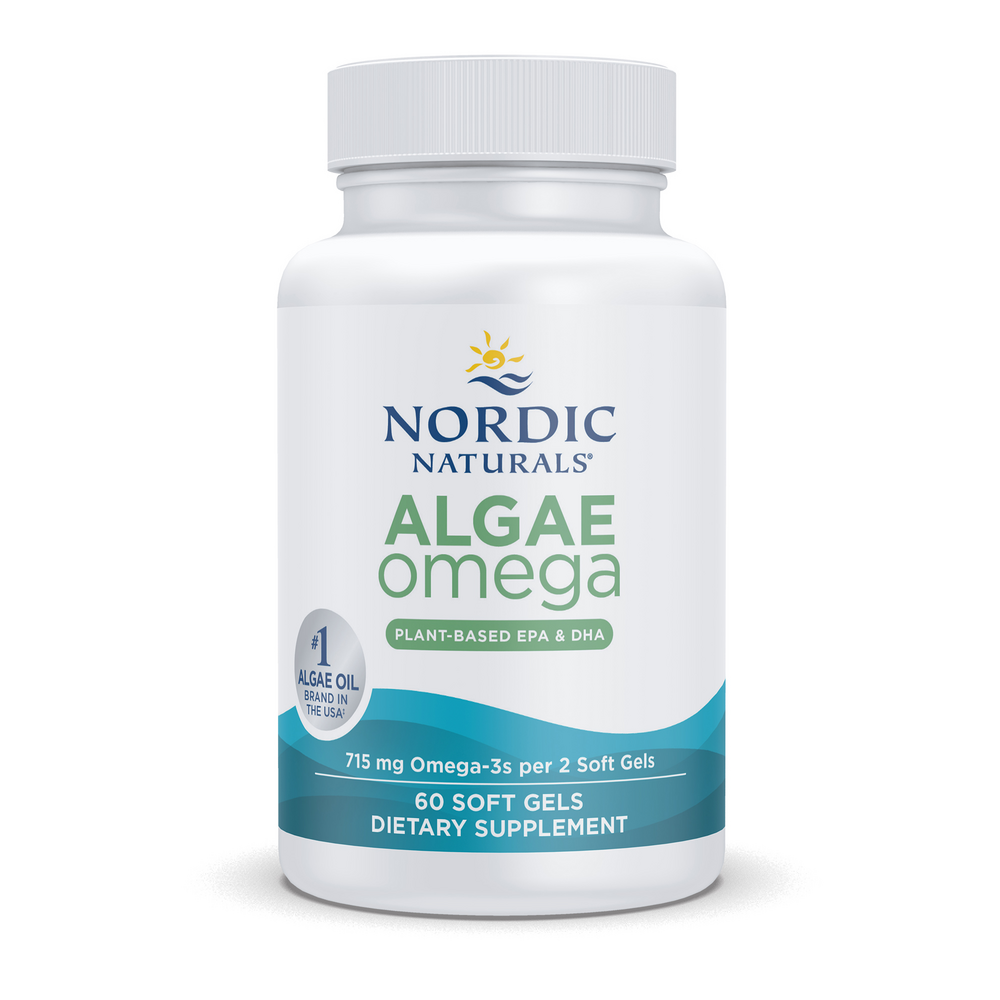
Algae Omega
Nordic Naturals
60 softgels
$30.99$24.99 with Subscribe & Save
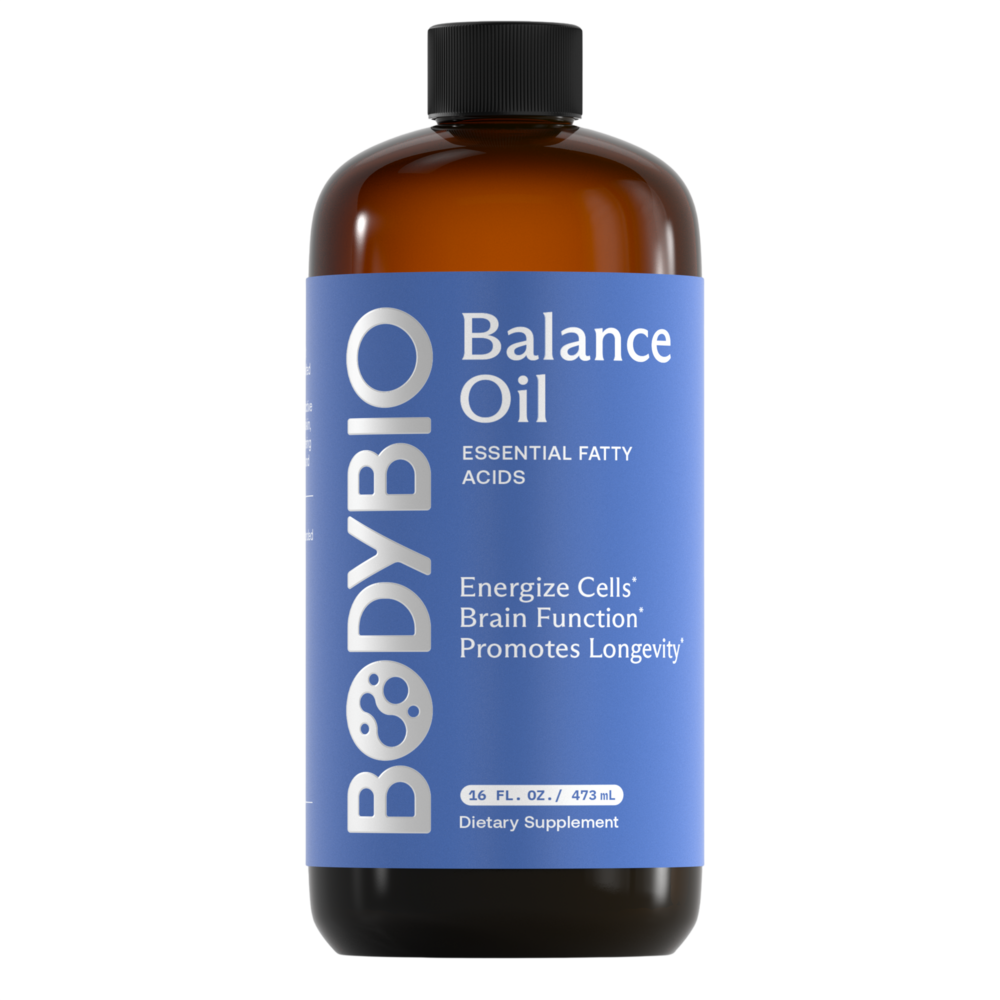
BodyBio Balance Oil
Body Bio
473 milliliters
$36.99$29.99 with Subscribe & Save
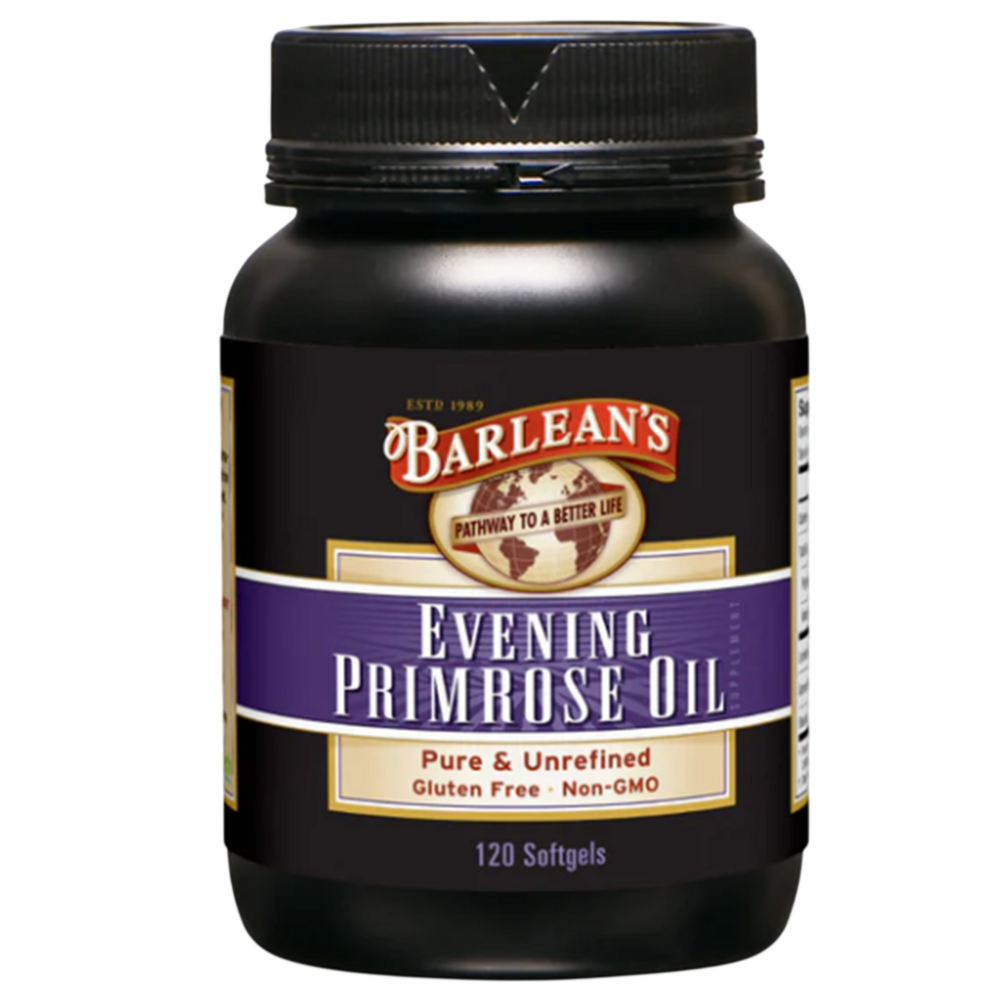
Evening Primrose Oil
Barlean's Organic Oils
120 softgels
$39.99$31.99 with Subscribe & Save
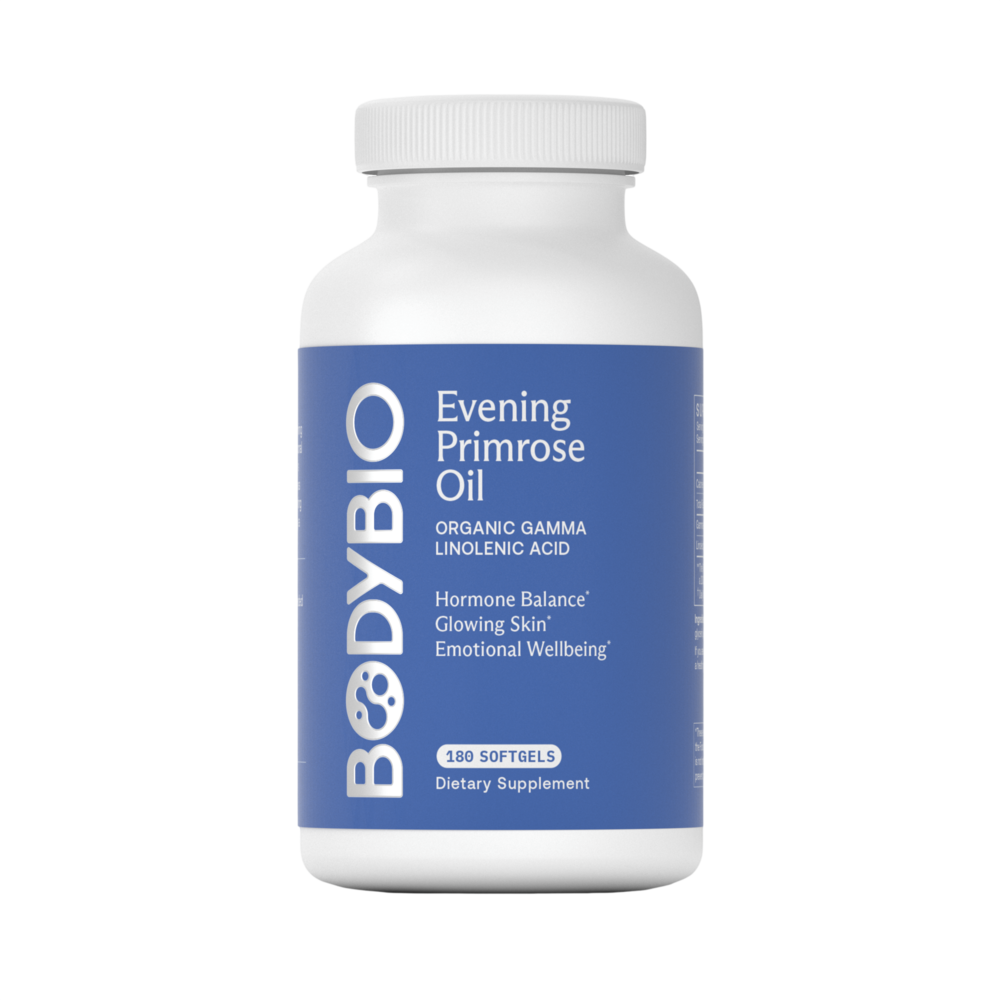
Evening Primrose Oil
Body Bio
180 softgels
$69.99$55.99 with Subscribe & Save