 Instalab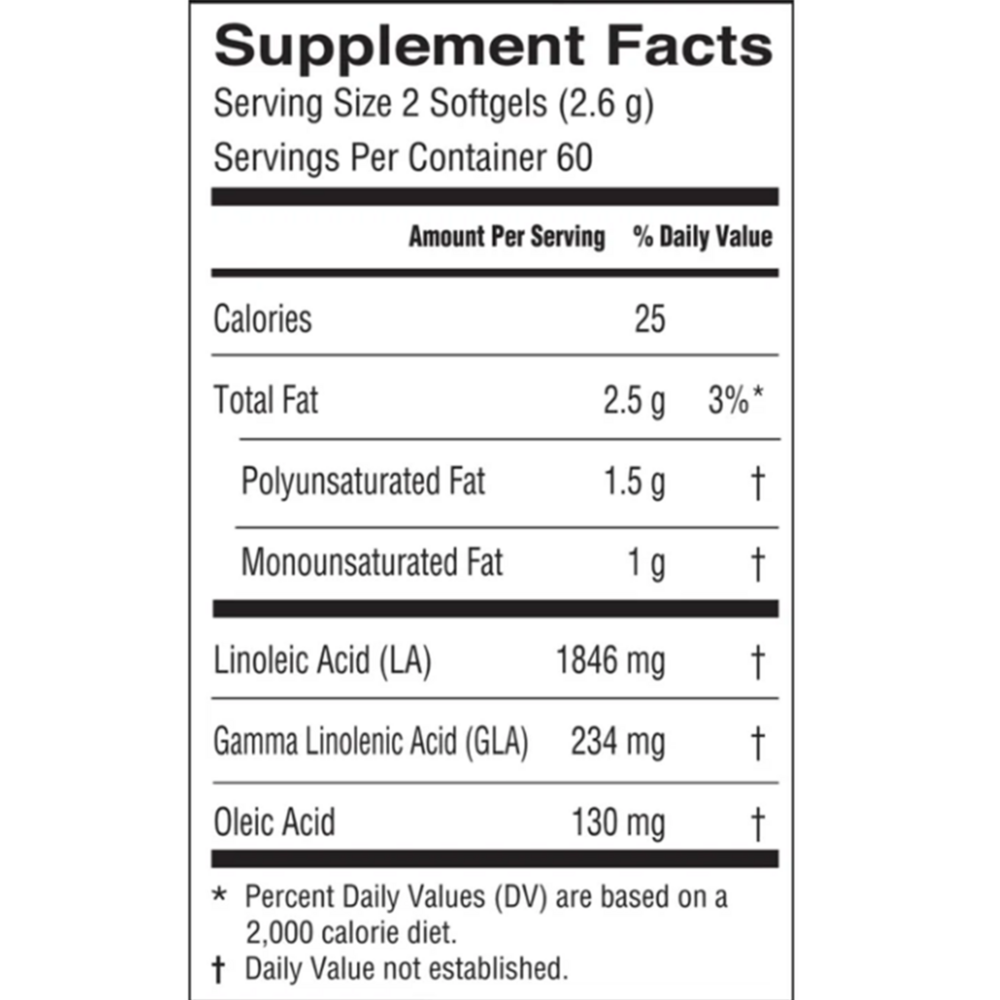

Barlean's Organic Oils
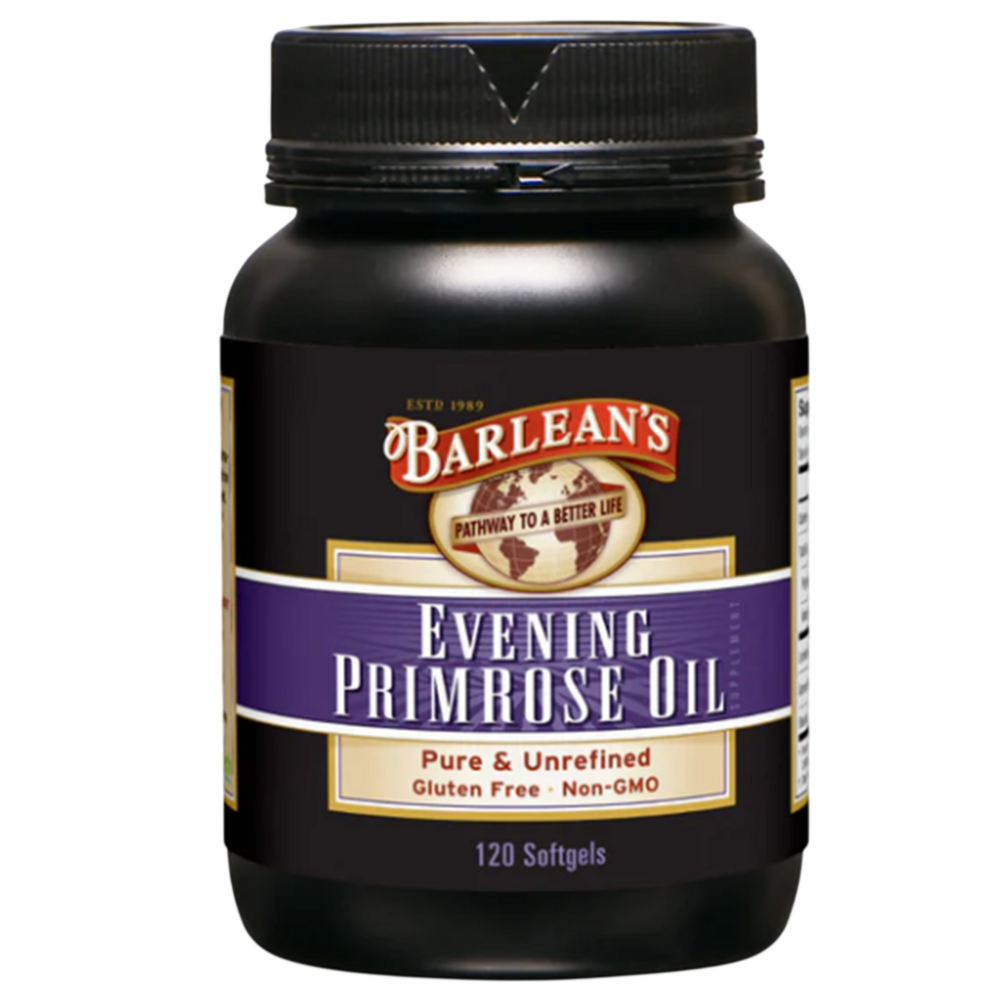
Evening Primrose Oil by Barlean's Organic Oils
120 softgels · 60-day supply
Supports Hormonal Balance and Skin Health with Essential Fatty Acids$39.99
Purchase options
Practitioner-grade brand3rd-party testedFree shipping $50+
Gluten Free
Barlean's Organic Oils Evening Primrose Oil overview
This is a practical pick for people looking for evening primrose oil for PMS, especially cyclic breast tenderness and mood swings that track the luteal phase. The two-softgel dose delivers 234 mg of GLA (gamma‑linolenic acid), a clinically relevant amount used in trials for PMS and mastalgia. It’s also reasonable for adults with dry, irritation‑prone skin who want a lipid repletion approach. If you’re chasing broad inflammation changes, effects on hs-CRP (a blood marker of systemic inflammation) are usually small.
GLA is an omega‑6 fatty acid your body converts to DGLA, which makes series‑1 prostaglandins (local signaling molecules that tend to calm tissue reactivity). This pathway competes with arachidonic acid, which makes more pro‑inflammatory signals. In PMS and cyclic breast pain, that shift likely reduces breast tissue sensitivity and cramping. For skin, better DGLA status can improve barrier lipids, which helps retain moisture. Big acne and menopause hot flash claims are inconsistent in trials.
Take two softgels daily with food to improve absorption, ideally at the same time each day. The 234 mg GLA per day here aligns with the common clinical range of 200–320 mg GLA. Give it 8 to 12 weeks for PMS or mastalgia, and 4 to 8 weeks for skin dryness. If you need higher GLA, borage oil concentrates more GLA per capsule, but has a different fatty acid profile.
Avoid during pregnancy unless your obstetric clinician recommends it; safety data are limited despite popular use late in pregnancy. If you have a seizure disorder or take phenothiazines (older antipsychotics like chlorpromazine), skip it due to rare seizure case reports. Use caution with anticoagulants or antiplatelet drugs, and stop 1 to 2 weeks before elective surgery. If your main goal is lowering triglycerides, choose a high‑EPA fish oil instead.
Frequently asked questions
Does evening primrose oil actually help PMS?
It helps some people, especially for breast tenderness and cyclic mood symptoms. Trials using about 200–320 mg GLA daily show modest benefit by 8–12 weeks. It’s not a cure‑all, and results vary.
How long does evening primrose oil take to work?
Expect 8–12 weeks for PMS or cyclic breast pain, and 4–8 weeks for skin hydration. Fatty acid shifts happen gradually as cell membranes turn over, so daily use matters.
What dose of GLA should I take from evening primrose oil?
Most studies use 200–320 mg GLA per day. Two softgels of this product provide 234 mg GLA, which sits squarely in that range. Higher intakes rarely add much for PMS.
Is evening primrose oil safe in pregnancy?
Don’t self‑start in pregnancy. Despite popular use late in pregnancy, robust safety data are lacking and benefits are uncertain. Discuss with your obstetric clinician first.
Can I take evening primrose oil with blood thinners?
Use caution. GLA can have mild antiplatelet effects. If you’re on warfarin, apixaban, clopidogrel, or high‑dose aspirin, talk to your clinician and monitor for bruising or bleeding.
What are common side effects of evening primrose oil?
It’s generally well tolerated. Mild nausea, soft stools, or headache can occur. Rarely, it’s been linked to seizures in people on phenothiazines; those patients should avoid it.
Is evening primrose oil good for eczema or acne?
For eczema, results are mixed; some see itch relief, others don’t. For acne, evidence is limited. If skin dryness is your main issue, a 4–8 week trial is reasonable.
How to take it & ingredients
Suggested use: Take 2 softgels per day.
Active ingredients
2 softgels per serving · 60 servings
Linoleic Acid
1846 mg
Gamma Linolenic Acid (GLA)
234 mg
Oleic Acid
130 mg
Other ingredients: Organic Evening Primrose Oil, Softgel (Gelatin, Glycerine, and Water)
Certifications
Benefits
Warnings