 Instalab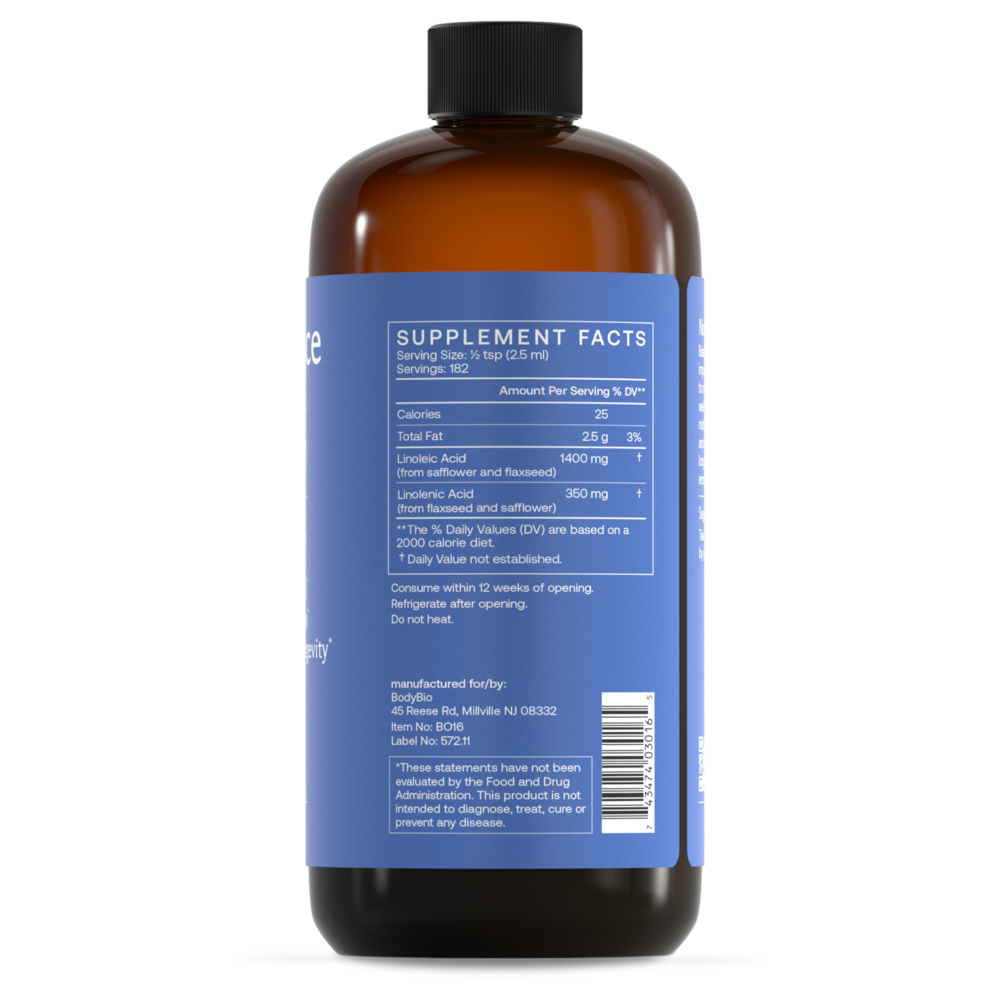


Body Bio
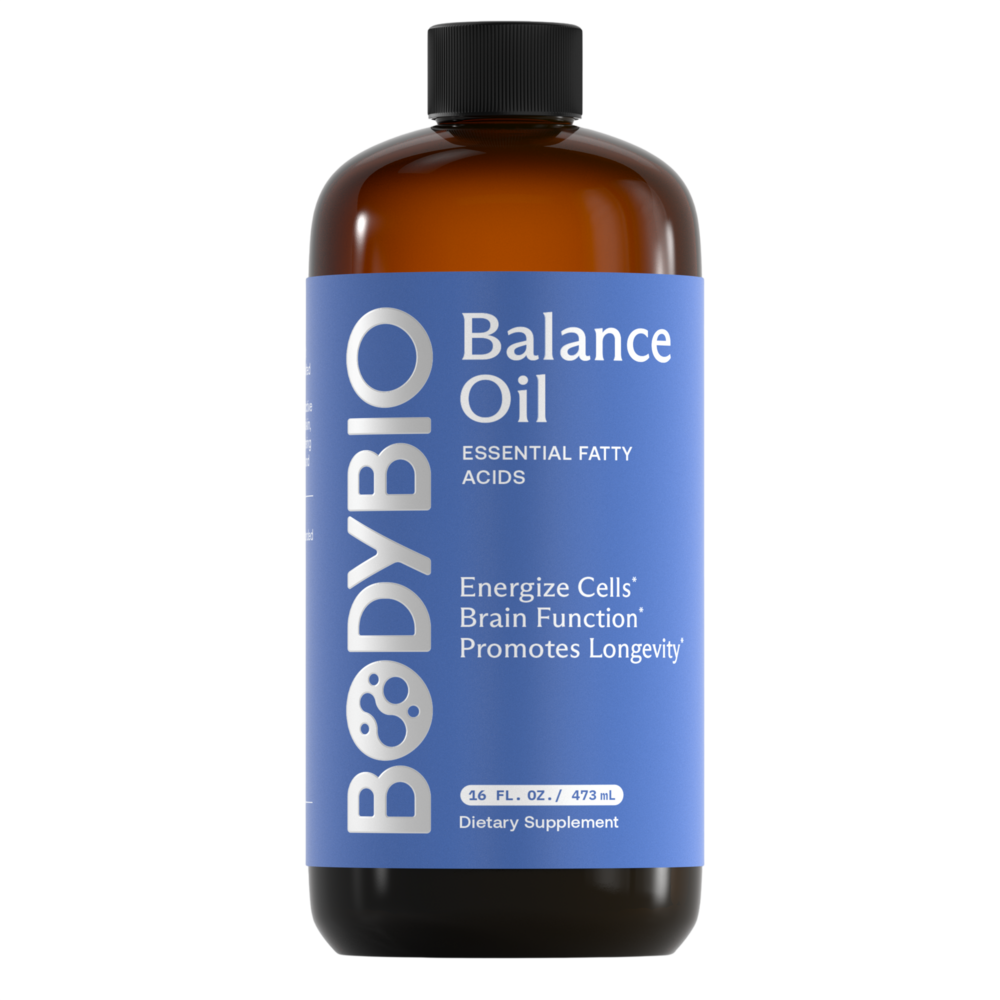
BodyBio Balance Oil by Body Bio
473 milliliters · 189-day supply
Essential Plant-Based Omegas for Heart, Brain, and Immune Health$36.99
Purchase options
Practitioner-grade brand3rd-party testedFree shipping $50+
Artificial Preservative Free
Body Bio BodyBio Balance Oil overview
If you’ve cut seed oils, follow a very low‑fat or ketogenic diet, or have dry skin and brittle hair despite enough calories, a linoleic acid supplement can help replete essential fatty acids. This blend delivers linoleic acid (omega-6) with alpha-linolenic acid (omega-3 from plants). It’s useful if your Essential Fatty Acid Profile or Omega-3 Index is low, or if you want to correct a very skewed omega-6 to omega-3 pattern without jumping straight to fish oil.
Linoleic acid and alpha-linolenic acid are essential, meaning your body can’t make them. They’re built into cell membranes and turned into eicosanoids (short‑acting signals that guide inflammation and blood flow). Linoleic acid is the main dietary source for arachidonic acid (the downstream signal maker), while alpha-linolenic acid converts only modestly to EPA and DHA. In practice, this oil restores building blocks for membranes; it isn’t a substitute for fish oil if you need direct EPA/DHA.
Take it with meals, ideally alongside protein as the label suggests. Start small (for example, a teaspoon on salads or yogurt) and work up over a week to your target, since large first doses can cause loose stools. Keep it cold, don’t heat or cook with it. If your goal is lowering triglycerides or raising Omega-3 Index quickly, pair or swap with fish oil or algae oil that provides EPA and DHA.
If your diet already includes plenty of nuts, seeds, and restaurant foods, you likely get ample linoleic acid from food and don’t need more. For those with elevated triglycerides, this won’t meaningfully lower them on its own. Fat-malabsorption states or orlistat (the fat-blocking drug) reduce absorption. Pregnancy and breastfeeding need adequate essential fats, but introduce new oils under clinician guidance and monitor an Essential Fatty Acid Profile.
Frequently asked questions
Is a linoleic acid supplement the same as fish oil?
No. Linoleic acid is omega-6 and alpha-linolenic acid is a plant omega-3 that only partly converts to EPA/DHA. Fish oil or algae oil provide EPA/DHA directly and work better for triglycerides and Omega-3 Index changes.
Will this lower my triglycerides?
Unlikely in a meaningful way. EPA and DHA are the omega-3s that reduce liver fat export and typically lower triglycerides within 4–12 weeks. This oil is for essential fatty acid repletion, not triglyceride reduction.
How long until I see results on labs or skin?
Cell membrane fatty acids shift gradually; expect changes on an Essential Fatty Acid Profile or Omega-3 Index within 4–12 weeks. Skin dryness often improves over a similar timeline if low intake was the driver.
Can I cook with BodyBio Balance Oil?
No. Don’t heat it. Use it cold on food or take it straight. Heating polyunsaturated oils increases oxidation, which degrades the fatty acids you’re trying to replenish.
Does omega-6 cause inflammation?
Linoleic acid is essential and not inherently inflammatory. Excess omega-6 alongside very low omega-3 can skew signaling. Restoring balance with added omega-3 or reducing excess dietary omega-6 corrects this.
What labs should I check with this oil?
Useful tests include an Essential Fatty Acid Profile or RBC fatty acids to track linoleic and alpha-linolenic status, plus the Omega-3 Index if you’re also adjusting EPA/DHA intake. hs-CRP can track inflammation trends.
Any side effects or interactions to know?
Large first doses can cause loose stools. Fat-blocking drugs like orlistat reduce absorption. Bleeding effects are minimal compared to fish oil. Store refrigerated to limit oxidation and off-flavors.
How to take it & ingredients
Suggested use: Take 1-2 tbsp. daily in or on food or as a separate supplement. Best with protein foods. Do not heat or use with heated cooking.
Active ingredients
1/2 teaspoon = 2.5 milliliter per serving · 189 servings
Linoleic Acid
1400 mg
Linolenic Acid
350 mg
Other ingredients: Organic unrefined safflower seed oil, Organic flax seed oil
Certifications
Benefits
Warnings
Customers also considered
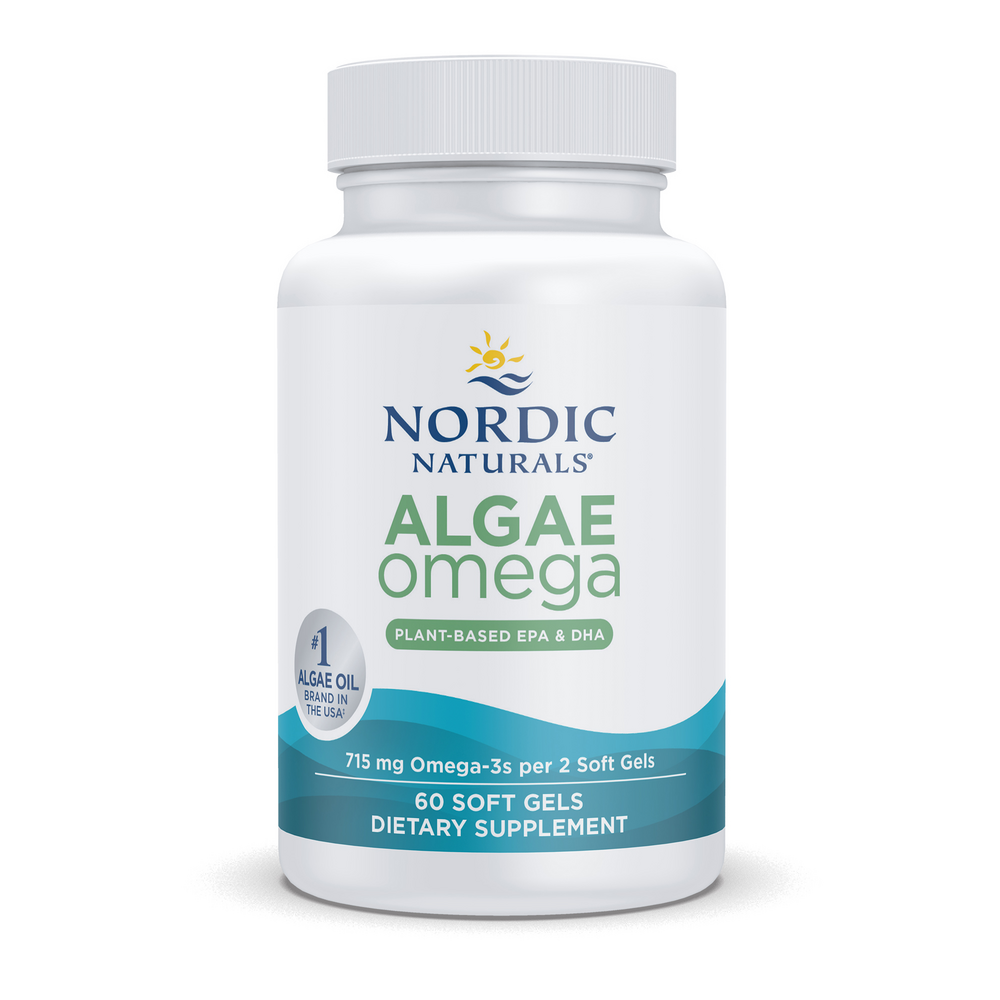
Algae Omega
Nordic Naturals
60 softgels
$30.99$24.99 with Subscribe & Save
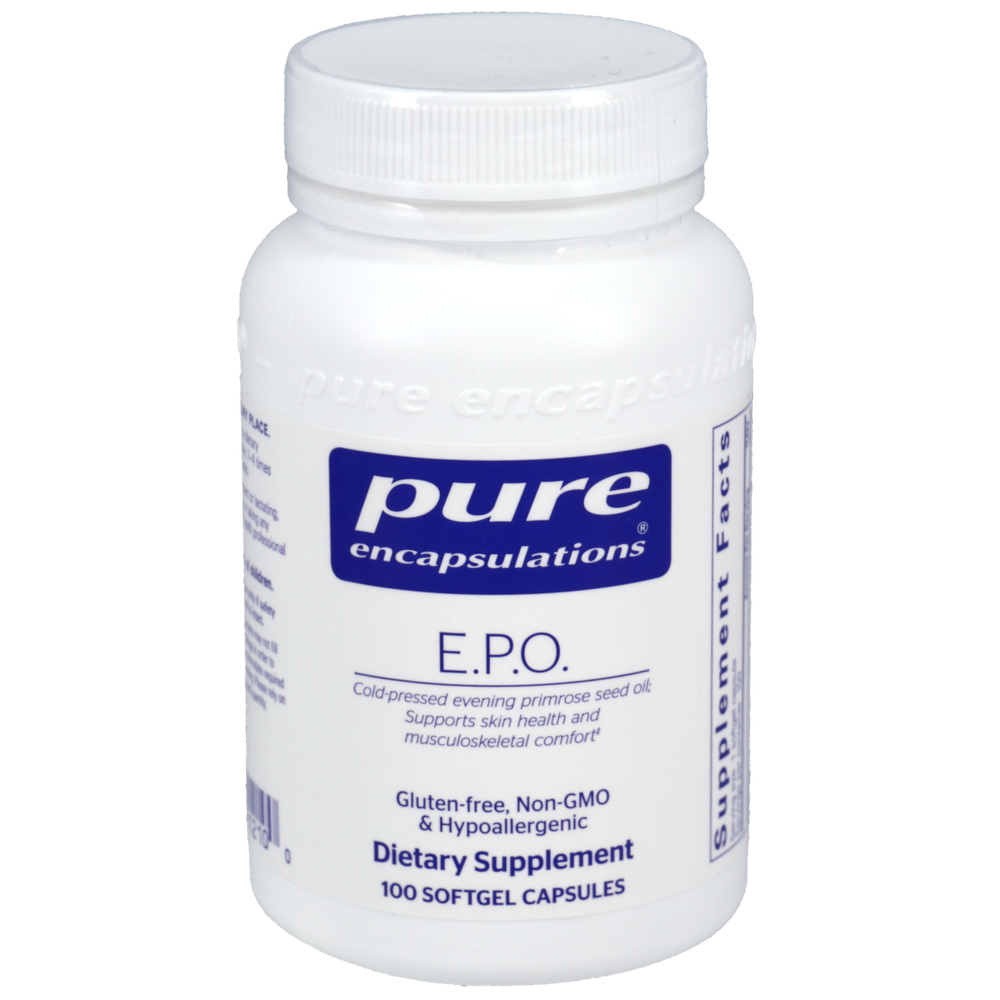
EPO
Pure Encapsulations
100 softgels
$33.00$25.99 with Subscribe & Save
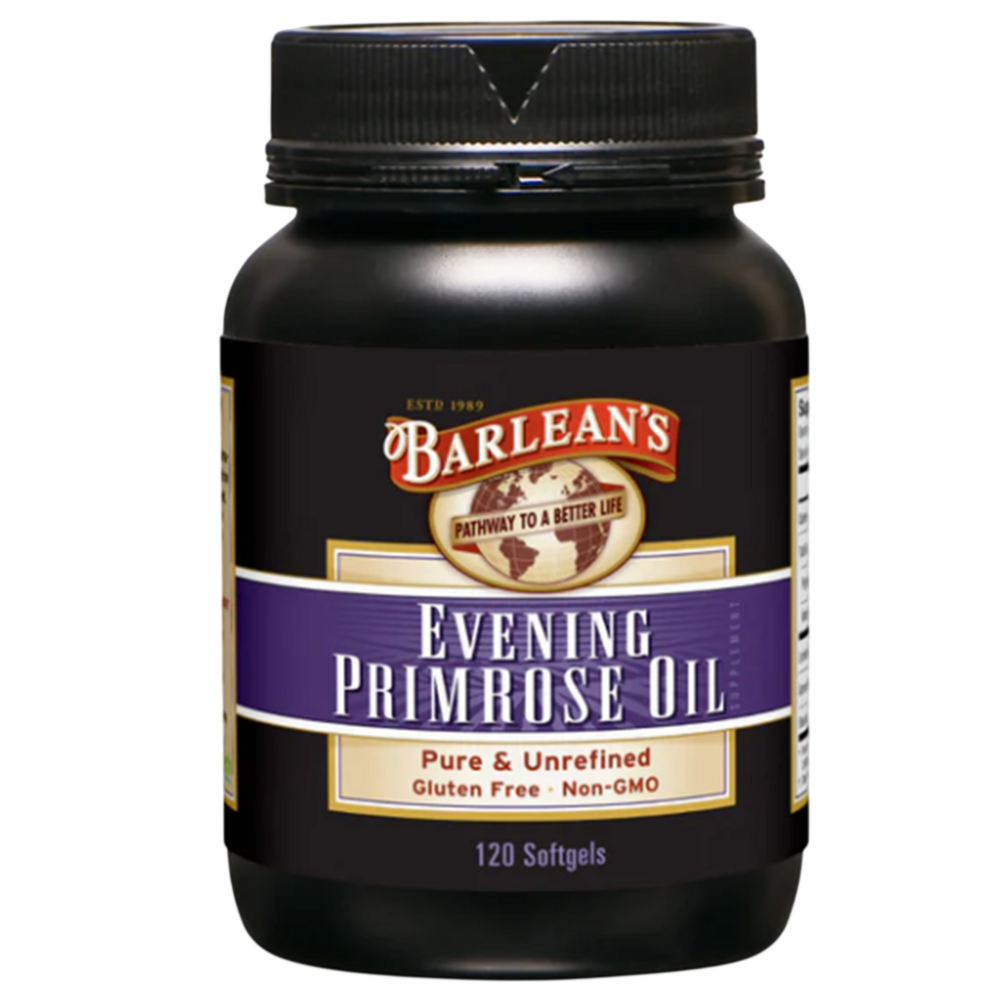
Evening Primrose Oil
Barlean's Organic Oils
120 softgels
$39.99$31.99 with Subscribe & Save
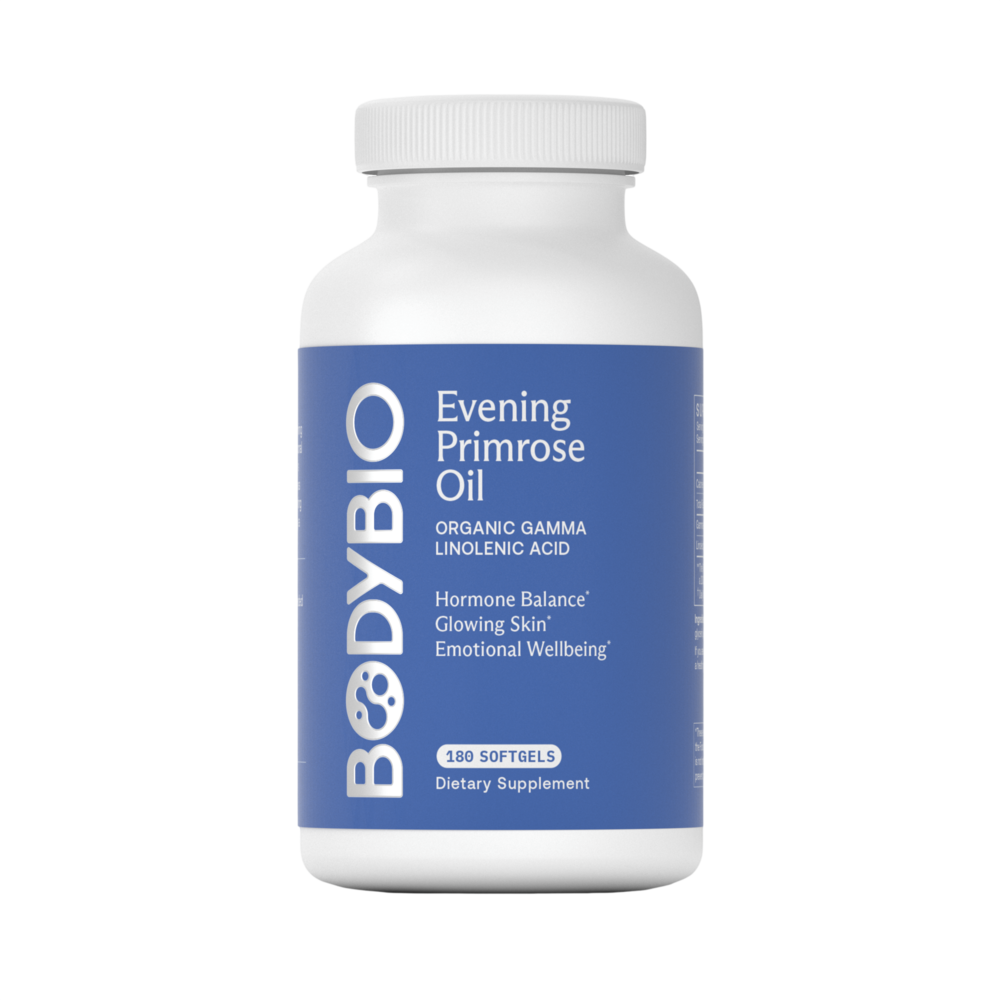
Evening Primrose Oil
Body Bio
180 softgels
$69.99$55.99 with Subscribe & Save