 Instalab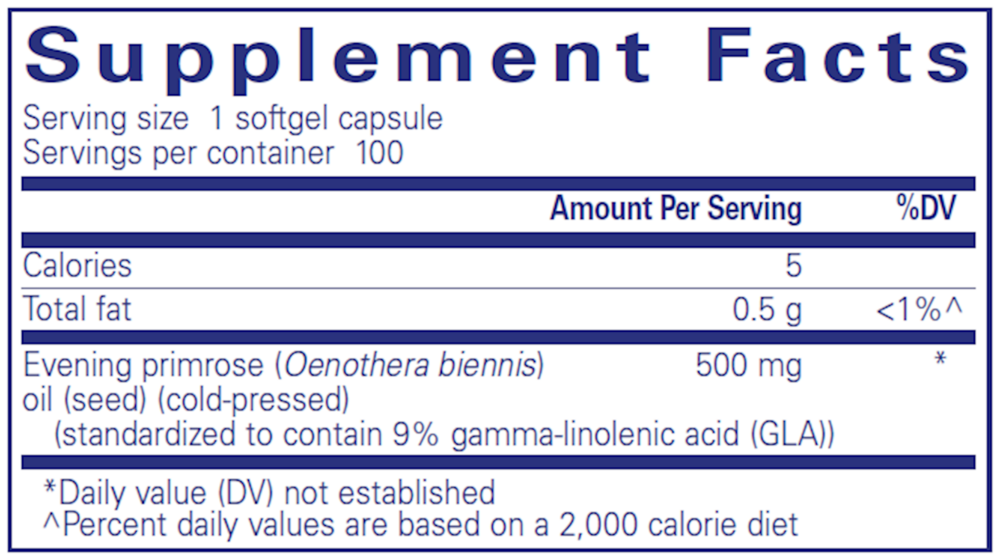

Pure Encapsulations
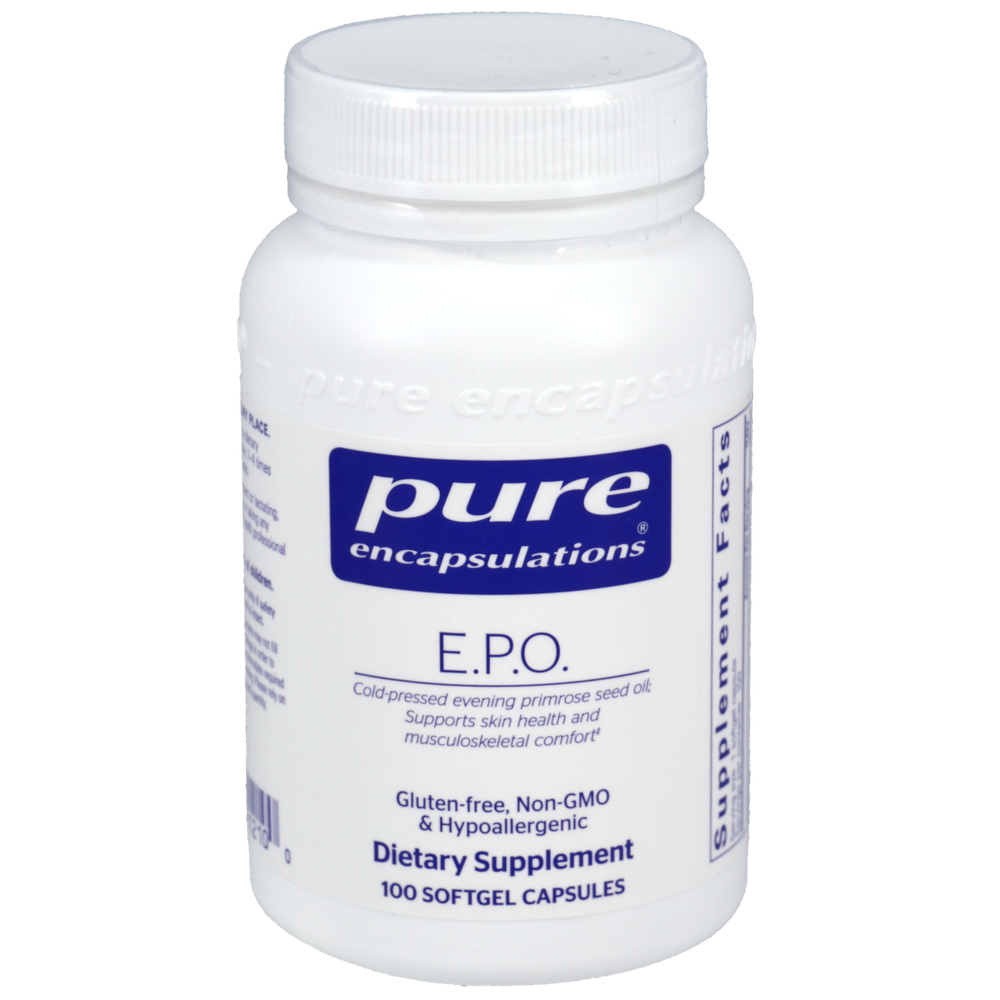
EPO 500 mg by Pure Encapsulations
100 softgels · 100-day supply
Supports Skin Health and Women's Wellness with Essential Fatty Acids$33.00
Purchase options
Practitioner-grade brand3rd-party testedFree shipping $50+
Egg Free·Artificial Preservative Free·Peanut Free·Wheat Free·Artificial Sweetener Free·Artificial Color Free·
Pure Encapsulations EPO overview
If “evening primrose oil for PMS” is what brought you here, you’re the right audience. This fits people with cyclical breast tenderness and PMS symptoms like irritability or bloating, and those with skin flares around the luteal phase (the two weeks before a period). Evidence is strongest for breast tenderness; PMS relief is modest in responders. For atopic dermatitis, results are mixed, but a trial is reasonable after basics like moisturizer and gentle skincare. It’s not a hot-flash remedy.
Evening primrose oil is a source of gamma-linolenic acid (GLA, an omega-6 fat your cells turn into calming signal molecules). GLA converts to DGLA, which makes prostaglandin E1 (local signals that reduce pain and swelling) and competes with arachidonic acid, the pathway that drives more irritating signals. That shift can ease breast tissue sensitivity and premenstrual aches. In skin, GLA helps build barrier lipids, which is why some people notice less dryness. It’s not a strong systemic anti-inflammatory, so markers like hs-CRP (a blood test for inflammation) rarely change meaningfully.
Take 1–4 capsules daily, split once or twice, with or between meals. Most studies use more total GLA than one capsule provides, so many adults land at the upper end of this range for a full trial. Take it daily, not just before a period. Expect effects after 8 to 12 weeks. If your diet is heavy on seed oils, pairing with fish oil can balance fats; if your Triglycerides are elevated, use fish oil for that goal.
Skip or clear with your clinician if you have a seizure disorder or take phenothiazines (antipsychotics), since GLA has been linked to seizure risk in that setting. Use caution with blood thinners (warfarin, DOACs) and antiplatelets, and stop 1–2 weeks before surgery. Pregnancy and breastfeeding require clinician guidance. If you want a lab-tracked anti-inflammatory, omega-3s move hs-CRP more reliably than evening primrose oil.
Frequently asked questions
How long does evening primrose oil take to work?
Give it 8–12 weeks of daily use. Breast tenderness is usually the first symptom to improve, with PMS mood and bloating changes following. If there’s no clear benefit by three months, it’s reasonable to stop and reassess other options.
Should I take evening primrose oil every day or just before my period?
Take it daily. GLA needs to build into cell membranes and shift signaling over time. Using it only in the days before bleeding is usually too short to see the intended effect.
Does evening primrose oil help acne or eczema?
For hormonal-pattern breakouts, some people see calmer skin after 6–8 weeks. For eczema, clinical results are mixed; some improve, others don’t. Keep moisturizers and gentle cleansing in place, and stop if there’s no change by two months.
Can I take evening primrose oil with fish oil?
Yes. They act on different fatty acid pathways. Many clinicians pair them when diets are heavy in omega-6 fats. If your goal is lowering Triglycerides or hs-CRP, fish oil has stronger evidence for those lab changes.
Is evening primrose oil safe in pregnancy or while breastfeeding?
Don’t self-start in pregnancy or lactation. Safety data are limited and dosing is individualized. Discuss with your obstetric or pediatric clinician before using it in those settings.
What are common side effects of evening primrose oil?
Most tolerate it well. Possible effects include mild nausea, soft stools, or headache. Take with food to reduce stomach upset. Stop and seek care if you notice unusual bruising, bleeding, or neurological symptoms.
What’s the difference between evening primrose oil and borage oil?
Both provide GLA. Borage oil is richer in GLA per capsule but can contain pyrrolizidine alkaloids unless purified. Evening primrose oil has lower GLA per dose but a long safety track record when cold-pressed and properly sourced.
Does evening primrose oil thin your blood?
It can have a mild antiplatelet effect. Most healthy adults won’t notice a change, but if you’re on blood thinners or have a bleeding disorder, discuss it with your clinician and monitor for easy bruising or nosebleeds.
How to take it & ingredients
Suggested use: Take 1–4 capsules daily, in divided doses, with or between meals.
Active ingredients
1 softgel per serving · 100 servings
▼
Evening Primrose Oil
Oenothera biennis, seed, cold pressed
Oenothera biennis, seed, cold pressed
500 mg
Gamma-Linolenic Acid (GLA)
45 mg
Other ingredients: Gelatin capsule (gelatin, glycerin, water)
Certifications
Benefits
Warnings
Customers also considered
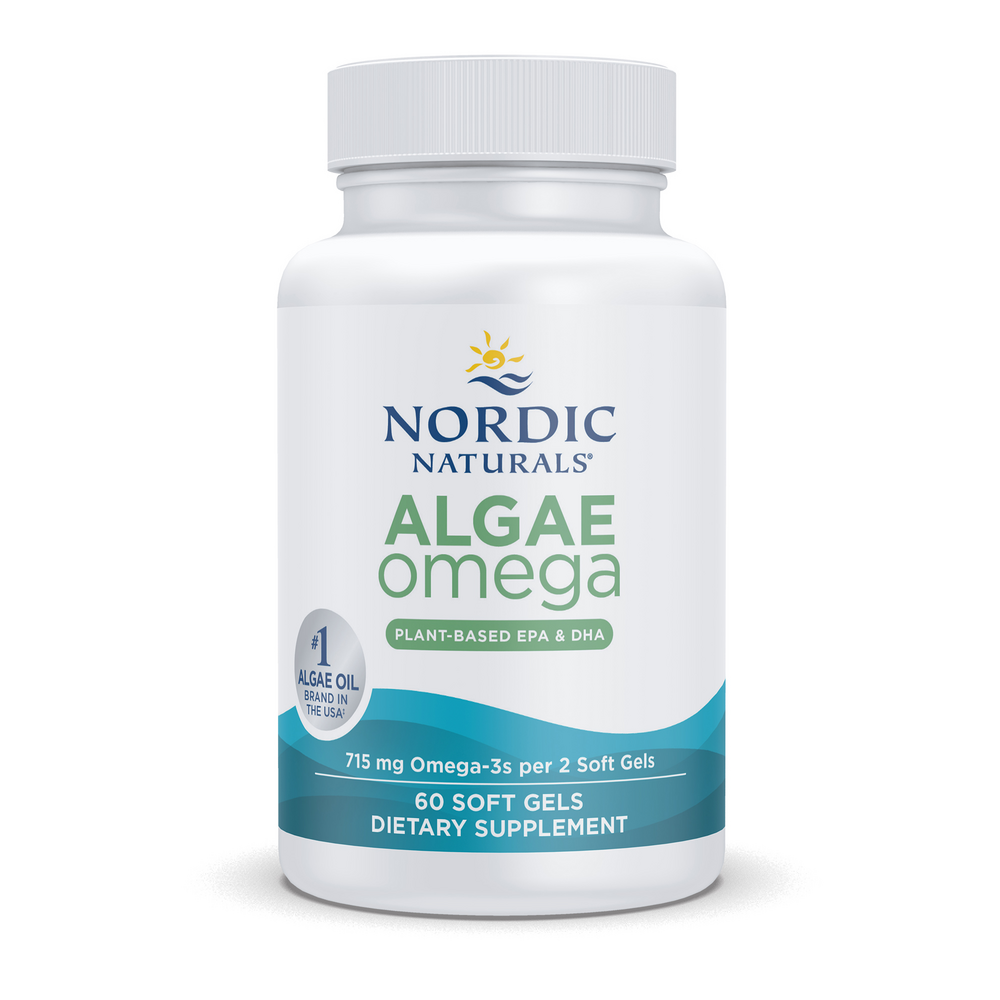
Algae Omega
Nordic Naturals
60 softgels
$30.99$24.99 with Subscribe & Save
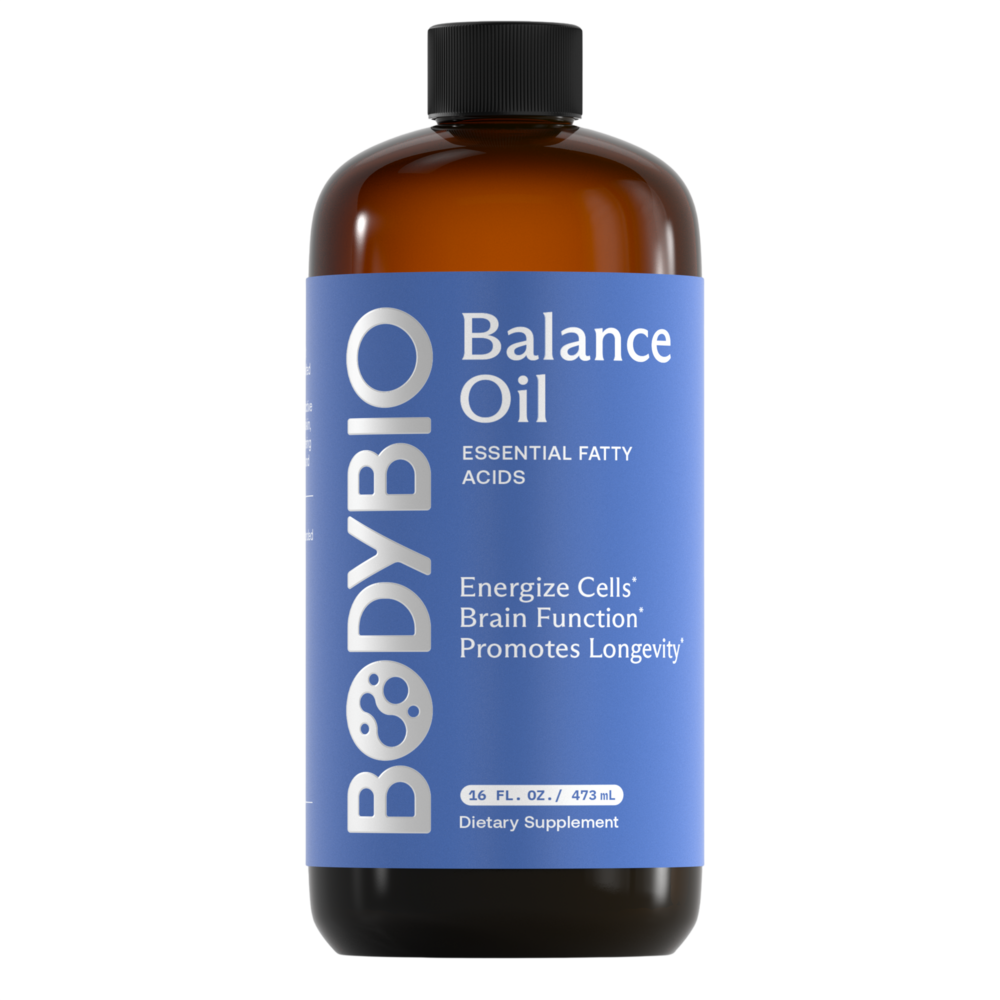
BodyBio Balance Oil
Body Bio
473 milliliters
$36.99$29.99 with Subscribe & Save
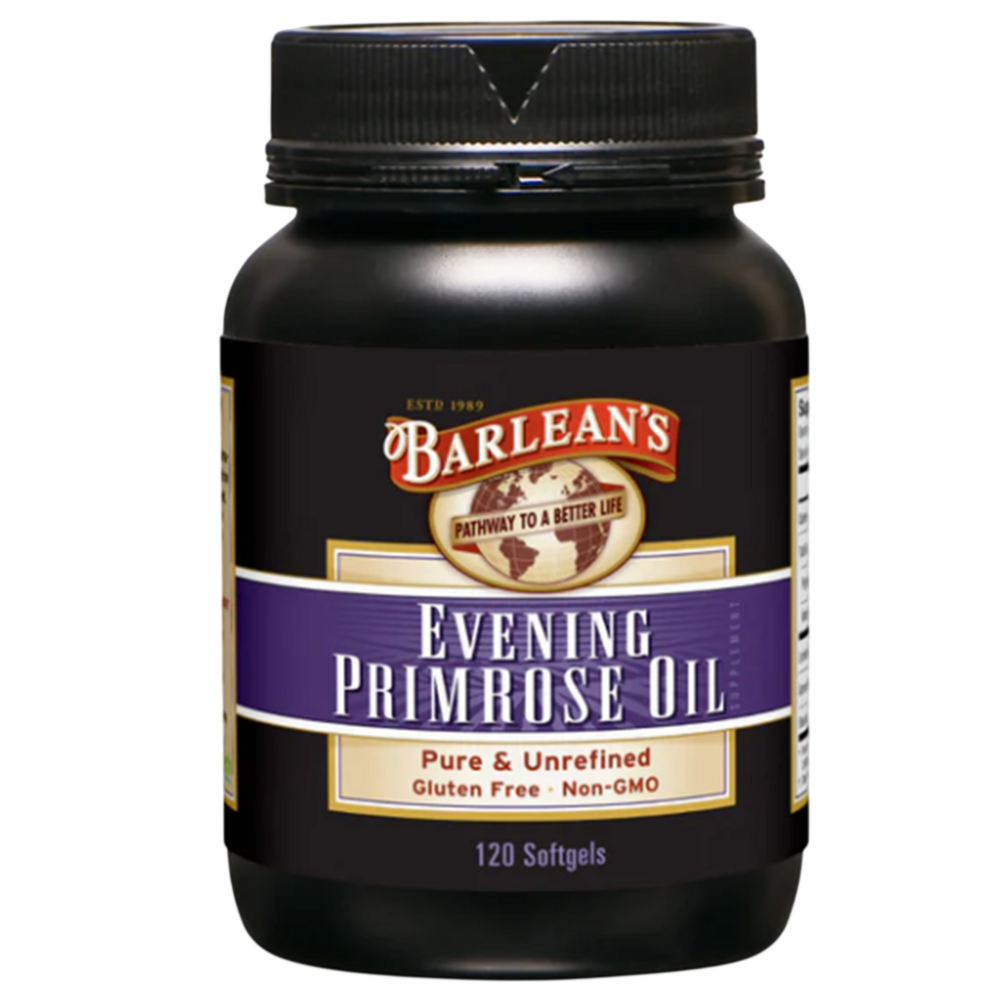
Evening Primrose Oil
Barlean's Organic Oils
120 softgels
$39.99$31.99 with Subscribe & Save
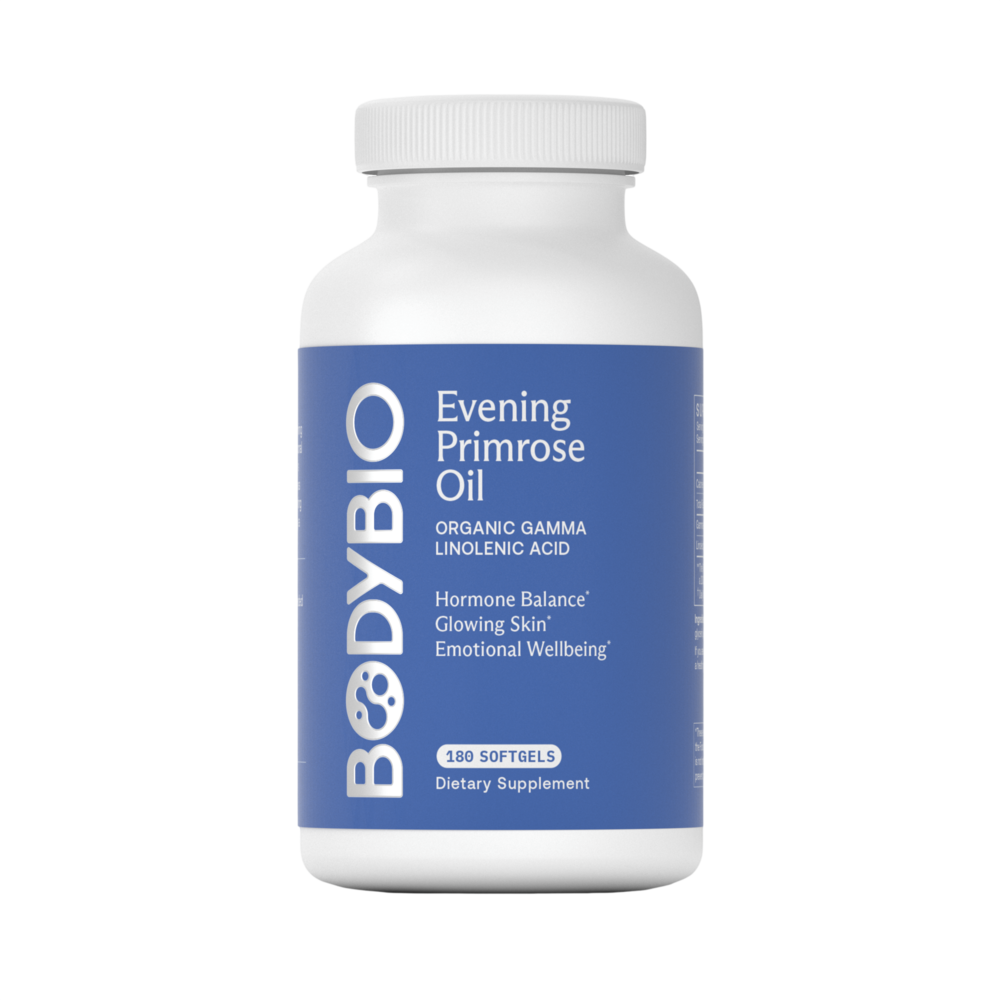
Evening Primrose Oil
Body Bio
180 softgels
$69.99$55.99 with Subscribe & Save