 Instalab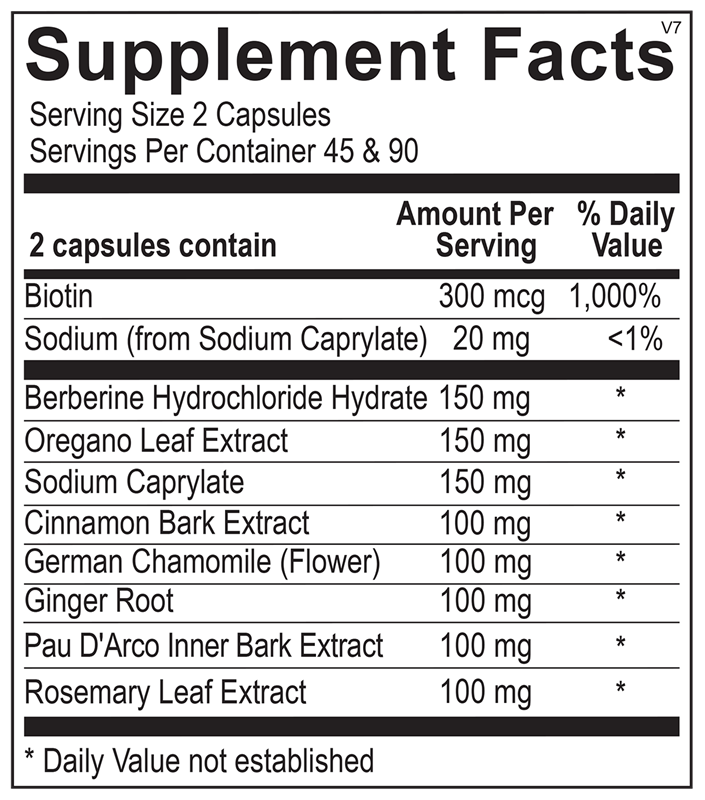
Ortho Molecular Products
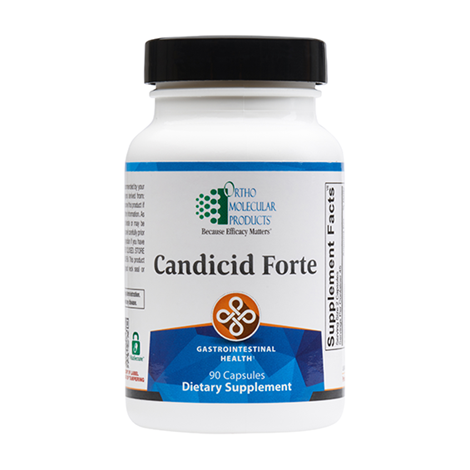
Candicid Forte by Ortho Molecular Products
90 capsules · 45-day supply
Comprehensive Support for a Balanced GI Microbiome$56.67
Purchase options
Practitioner-grade brand3rd-party testedFree shipping $50+
Gluten Free·Yeast Free·Artificial Color Free·Artificial Flavor Free
Ortho Molecular Products Candicid Forte overview
If your stool test flags Candida species or other yeast on a Comprehensive Stool Analysis, or your Organic Acids panel shows elevated D-arabinitol (a yeast byproduct in urine), this blend is built for you. It also fits people with gas, bloating, or sugar-triggered symptoms after antibiotics or high-sugar diets. If blood sugar is an issue, the berberine here can also nudge fasting glucose and A1c (average 3‑month glucose) downward. For severe or recurrent infections, loop in a clinician.
Oregano extract (rich in carvacrol and thymol) and sodium caprylate (a form of caprylic acid, a medium-chain fat) disrupt yeast cell membranes, while pau d’arco’s naphthoquinones pressure biofilms (the protective slime layers microbes build). Berberine interferes with microbial enzymes and efflux pumps, helping other botanicals reach their targets. Cinnamon and rosemary add broad antimicrobial activity, and ginger plus chamomile calm the gut lining, which can ease cramping as the microbiome shifts. When gut inflammation drops, whole‑body markers like hs-CRP (a blood signal of inflammation) sometimes improve in responders.
The label calls for two capsules, three times daily. Take with meals to reduce nausea or reflux from oregano oils. Most people run a 4 to 8 week course, then reassess symptoms and repeat stool or Organic Acids testing. Expect digestive changes within 1 to 2 weeks; lab shifts typically lag. Pair with low added sugar, adequate protein, and a probiotic—but take the probiotic at a different time of day.
Berberine can lower glucose and enhance metformin or insulin effects; monitor for hypoglycemia. It also inhibits CYP3A4 and P‑gp (liver and gut drug-processing systems), which can raise levels of cyclosporine, tacrolimus, some calcium‑channel blockers, and certain statins. Pau d’arco and cinnamon may add bleeding risk; be cautious with warfarin and direct oral anticoagulants. Pregnancy or breastfeeding: avoid. Active liver disease or persistent heartburn: choose a gentler approach and get medical guidance.
Frequently asked questions
How long does a candida cleanse take to work?
Digestive symptoms often change within 1–2 weeks, but retesting for Candida on a Comprehensive Stool Analysis or D‑arabinitol on Organic Acids is best done after 4–8 weeks. Severe or recurrent cases can require longer or prescription therapy.
Can I take this with a probiotic?
Yes, but separate timing. Take the herbal blend with meals and the probiotic at a different time of day or at bedtime. This reduces direct kill of the probiotic strains while you’re reshaping the microbiome.
What diet should I follow during a candida cleanse?
Keep added sugars and refined starches low, emphasize nonstarchy vegetables, lean proteins, and omega‑3 fats. Limit alcohol. This starves yeast and steadies blood sugar while the antimicrobials do their work.
Are die‑off (Herxheimer) symptoms normal?
Temporary bloating, looser stools, headache, or fatigue can occur in the first week as microbes shift. If symptoms are strong, cut the dose in half for several days, hydrate, and add soluble fiber. Worsening pain or fever deserves medical care.
Does berberine in this affect blood sugar?
It can modestly lower fasting glucose and A1c in many users. If you’re on metformin, insulin, or sulfonylureas, monitor closely and discuss with your clinician to avoid low blood sugar.
Is this safe with my medications?
Berberine can raise levels of drugs processed by CYP3A4 or P‑gp, like cyclosporine, tacrolimus, some statins, and calcium‑channel blockers. Pau d’arco and cinnamon may add bleeding risk with anticoagulants. Check with your prescriber first.
Can this help SIBO or only yeast?
Several ingredients (oregano, berberine, cinnamon, rosemary) have activity against bacteria as well as yeast, so some SIBO patients feel better. Confirm with a breath test and work with a clinician for dosing and sequencing.
Who should avoid a candida cleanse supplement?
Avoid during pregnancy or breastfeeding, with significant liver disease, or if you’ve had severe reflux from essential oils. People on immunosuppressants or blood thinners should get medical clearance before starting.
How to take it & ingredients
Suggested use: 2 capsules three times per day or as recommended by your health care professional.
Active ingredients
2 capsules per serving · 45 servings
Biotin
300 mcg
Sodium
From Sodium Caprylate
From Sodium Caprylate
20 mg
Ginger Root
100 mg
Pau D'Arco Inner Bark Extract
100 mg
Berberine Hydrochloride Hydrate
150 mg
Oregano Leaf Extract
150 mg
Sodium Caprylate
150 mg
Cinnamon Bark Extract
100 mg
Rosemary Leaf Extract
100 mg
German Chamomile (Flower)
100 mg
Other ingredients: Hypromellose (Natural Vegetable Capsules), Microcrystalline Cellulose, Magnesium Stearate, Calcium Silicate
Certifications
Benefits
Warnings