 Instalab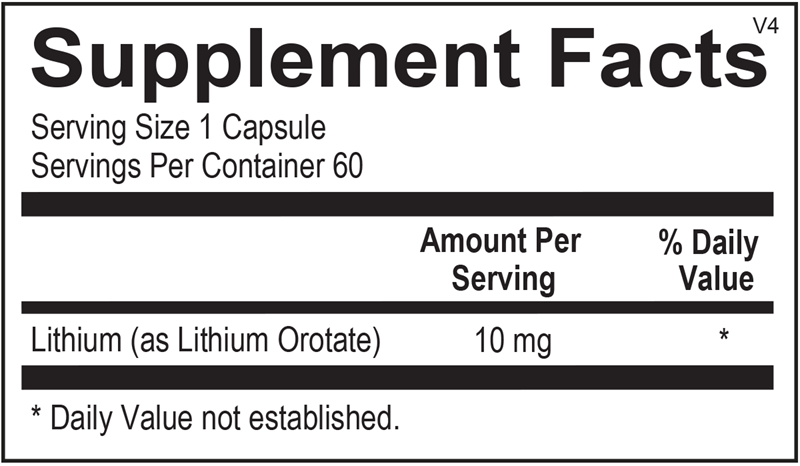

Ortho Molecular Products
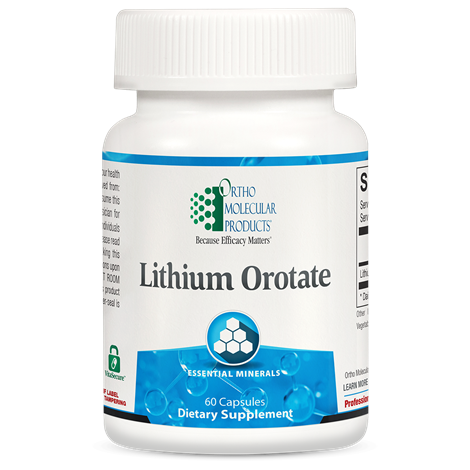
Lithium Orotate 10 mg by Ortho Molecular Products
60 capsules · 60-day supply
Support for Mood Balance and Emotional Well-Being$52.45
Purchase options
Practitioner-grade brand3rd-party testedFree shipping $50+
Gluten Free·Corn Free·Yeast Free·Artificial Color Free·Artificial Flavor Free
Ortho Molecular Products Lithium Orotate overview
Low-dose lithium orotate suits adults looking for steadier mood and stress resilience without using prescription lithium. It’s a reasonable trial if your kidney and thyroid labs are normal (Serum Creatinine, eGFR, TSH) and you aren’t on drugs that interact with lithium. Not a fit if you have a diagnosed mood disorder requiring medication, kidney disease, are pregnant or breastfeeding, or you’re on prescription lithium, ACE inhibitors, or thiazide diuretics.
At low doses, lithium orotate appears to nudge signaling linked to neuroplasticity and stress response, partly by inhibiting GSK-3 (an enzyme that influences how brain cells adapt) and by tempering glutamate (the main excitatory brain chemical). These shifts can feel like smoother mood and sleep stability over time. Evidence in humans outside prescription dosing is limited, so track how you feel and your labs rather than expecting a dramatic effect.
The suggested use is 1 capsule daily. Take with food if you notice nausea, or in the evening if you feel a bit sedated. Give it 2 to 4 weeks to judge effects. If you plan to use it for more than a few months, check TSH and a basic metabolic panel (Sodium, Serum Creatinine, eGFR) every 6 to 12 months. Do not stack this with prescription lithium or increase the dose on your own.
Skip lithium orotate if you use drugs that raise lithium levels: NSAIDs like ibuprofen and naproxen, ACE inhibitors like lisinopril, ARBs like losartan, thiazide diuretics like hydrochlorothiazide, or spironolactone. Dehydration and low-sodium diets also raise lithium levels. Combining with prescription lithium is unsafe. If you take antidepressants, discuss with your clinician first and monitor for tremor, excessive sedation, or GI upset.
Avoid if you have kidney disease, a history of low thyroid, are pregnant or breastfeeding, or have significant sodium restriction. People with bipolar disorder should not self-treat with lithium orotate; they need clinician-guided prescription dosing with Serum Lithium monitoring. Stop and get care if you develop worsening tremor, excessive thirst, confusion, severe diarrhea, or vomiting.
Frequently asked questions
What is lithium orotate used for?
People use low-dose lithium orotate for steadier mood, stress tolerance, and sleep regularity. Evidence at these doses is modest, so it’s a personal trial, not a treatment for bipolar disorder or major depression. If you have a diagnosed condition, see a clinician.
How long does lithium orotate take to work?
Most people who respond notice steadier mood or sleep within 2 to 4 weeks. If you feel nothing by 6 weeks, it’s reasonable to stop. Any ongoing use longer than a few months should include periodic TSH and kidney labs.
Is lithium orotate the same as prescription lithium?
No. Prescription lithium (carbonate or citrate) is a high, therapeutic dose that requires Serum Lithium monitoring. Lithium orotate is low-dose and sold as a supplement. Do not combine them, and do not use the supplement to self-treat bipolar disorder.
Can I take lithium orotate with antidepressants?
Sometimes, but clear it with your prescriber. While there’s no classic serotonin interaction, adding lithium can increase sedation or tremor for some. Baseline and follow-up labs (TSH, Serum Creatinine, eGFR) are sensible if you continue.
Does lithium orotate affect the thyroid or kidneys?
Lithium can lower thyroid function and stress the kidneys at higher doses. At low doses, risk is lower but not zero. Check TSH and kidney labs every 6 to 12 months if you use it regularly, and stop if abnormalities develop.
What side effects should I watch for?
Common nuisances include mild nausea, sedation, or fine tremor. More concerning signs are excessive thirst, confusion, worsening tremor, severe diarrhea, or vomiting. If those occur, stop and seek medical care.
Do I need to avoid alcohol or caffeine with lithium orotate?
Light alcohol intake is usually fine but can worsen sedation. Caffeine may slightly increase lithium excretion, making effects less consistent. Hydrate well, especially in heat or with exercise.
What labs should I check if I take lithium orotate?
Before and during use, check TSH, Serum Creatinine, eGFR, and Sodium. Serum Lithium testing isn’t useful at these doses unless there’s concern about an interaction or inadvertent high exposure.
How to take it & ingredients
Suggested use: 1 capsule per day or as recommended by your health care professional.
Active ingredients
1 capsule per serving · 60 servings
Lithium
As Lithium Orotate
As Lithium Orotate
10 mg
Certifications
Benefits
Warnings