 Instalab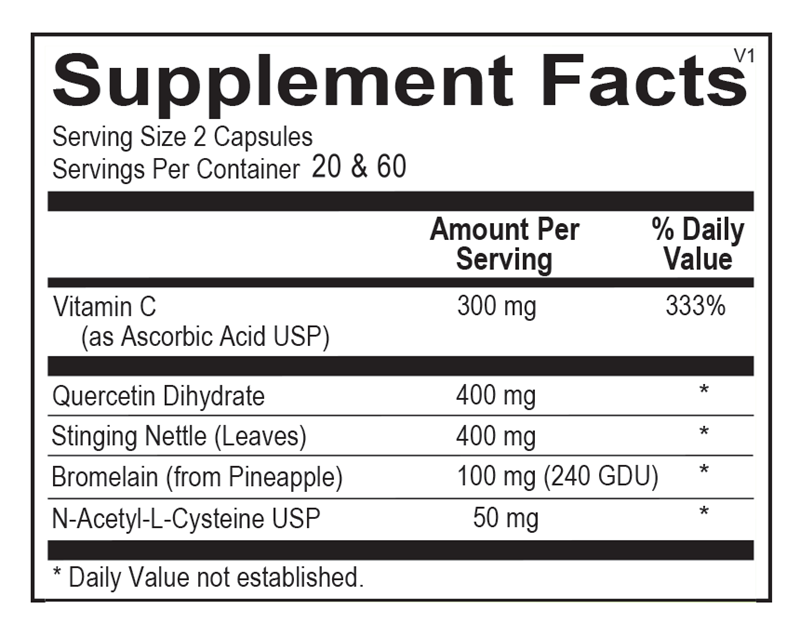
Ortho Molecular Products
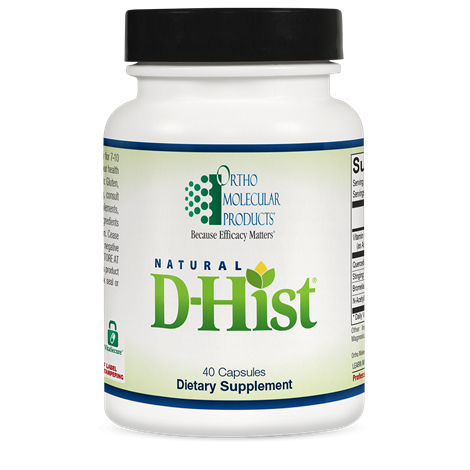
Natural D-Hist® by Ortho Molecular Products
40 capsules · 20-day supply
Comprehensive Support for Seasonal Allergies and Histamine Sensitivity$38.13retail
Add to cart for 10% off
Purchase option
10% below MSRP3rd-party tested for purity & potencyFree shipping $50+
Vegan·Vegetarian·Gluten Free·Yeast Free·Artificial Color Free·Artificial Flavor Free
Ortho Molecular Products Natural D-Hist® overview
If spring or fall pollen lights up your nose and eyes, quercetin for allergies paired with vitamin C, stinging nettle, bromelain, and NAC is a practical non-drowsy option. It fits adults who want fewer antihistamines, whose Total IgE (the allergy antibody) or eosinophils (allergy-linked white cells) run high, or who react to dust and pet dander. If your symptoms are severe or asthma flares, keep your prescribed meds and use this alongside under guidance.
Quercetin helps stabilize mast cells, the immune cells that release histamine, so they fire less during pollen exposure. Vitamin C helps break down histamine and can lessen nasal stuffiness. Stinging nettle leaves provide additional anti-inflammatory signaling that eases sneeze and itch. Bromelain (a pineapple enzyme) improves quercetin absorption and reduces nasal swelling. NAC thins mucus by breaking sticky bonds in secretions, improving drainage. Expect symptom relief to build over 3 to 7 days of steady use.
Use a loading phase when pollen ramps up: 2 capsules three times daily for 7 to 10 days. Then shift to maintenance at 2 capsules daily. Take with or without food; if your stomach is sensitive, food helps. Split doses are better during high exposure days. If your Vitamin D, 25-Hydroxy is low, correcting it separately can also reduce seasonal symptom burden over time.
Bromelain can increase bruising or bleeding with anticoagulants or antiplatelet drugs like warfarin, apixaban, clopidogrel, or high-dose fish oil. Quercetin can affect drug transport enzymes, so use caution with cyclosporine, tacrolimus, or certain statins; separate by several hours and discuss with your clinician. NAC can amplify nitroglycerin and cause headaches. Avoid if you are allergic to pineapple. Pregnancy and nursing: skip unless your clinician approves.
Frequently asked questions
Does quercetin really help seasonal allergies?
Yes for many people. Quercetin stabilizes mast cells that release histamine, which can reduce sneeze, itch, and congestion. Small trials and clinic experience show benefit, especially when combined with vitamin C, stinging nettle, bromelain, and NAC.
How long does Natural D-Hist take to work?
Most notice improvement within 3 to 7 days, especially with the loading phase. Full effect often tracks with steady daily use through the high-pollen window. If nothing changes after two weeks, reassess dose, timing, and diagnosis with your clinician.
Can I take this with my antihistamine or nasal steroid?
Usually yes. This stack works by different mechanisms and is often layered with cetirizine, fexofenadine, or fluticasone. If you feel overly dry or sedated, reduce one component. Keep prescribed asthma meds in place.
Should I take it with food or on an empty stomach?
Either is fine. Many tolerate it best with food. If you are aiming for more bromelain activity beyond digestion, one dose away from meals is reasonable, but prioritize what your stomach tolerates.
Is bromelain a blood thinner?
It is not a blood thinner in the prescription sense, but it can increase bruising or bleeding when combined with anticoagulants or antiplatelets. If you take warfarin, apixaban, rivaroxaban, clopidogrel, or high-dose fish oil, discuss with your clinician.
Can I open the capsules?
Yes. You can open and mix the powder into a small amount of water or applesauce. The taste is bitter, and bromelain can be slightly mouth-tingly, so rinse afterward.
Who should avoid quercetin supplements?
Avoid in pregnancy or breastfeeding unless approved. Skip if you’re allergic to pineapple or have had reactions to bromelain. Use caution if you take transplant drugs, certain statins, anticoagulants, or nitroglycerin.
Can this help if I have histamine intolerance?
Sometimes. Quercetin and vitamin C can reduce histamine release, which helps some people. This formula does not provide diamine oxidase (the gut enzyme that breaks down food histamine), so results vary with food-triggered symptoms.
How to take it & ingredients
Suggested use: For loading dose take 2 capsules three times per day for 7 to 10 days. For maintenance take 2 capsules per day or as recommended by your health care professional.
Active ingredients
2 capsules per serving · 20 servings
Vitamin C
Ascorbic Acid USP
Ascorbic Acid USP
300 mg
Quercetin Dihydrate
400 mg
Stinging Nettle
Leaves
Leaves
400 mg
Bromelain
From Pineapple
From Pineapple
100 mg, 240 GDU
N-Acetyl-L-Cysteine USP
50 mg
Other ingredients: Hypromellose (Natural Vegetable Capsules), Silicon Dioxide, Stearic Acid, Magnesium Stearate
Certifications
Benefits
Warnings