 Instalab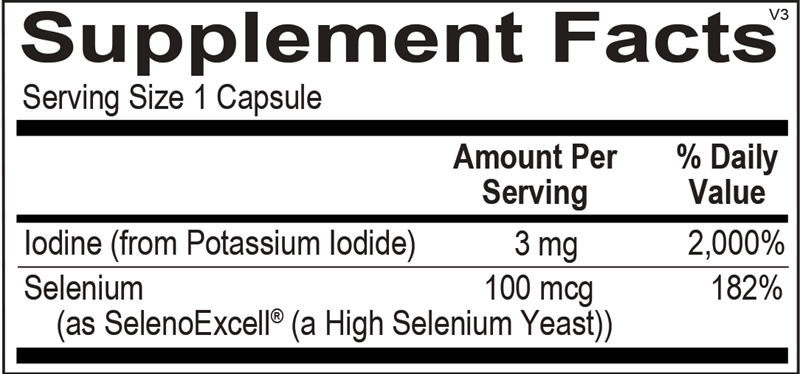

Ortho Molecular Products
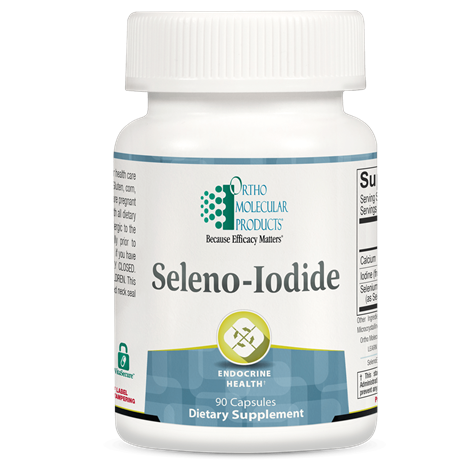
Seleno-Iodide by Ortho Molecular Products
90 capsules · 90-day supply
Support Thyroid Function and Antioxidant Defense with Iodine and Selenium$36.80
Purchase options
Practitioner-grade brand3rd-party testedFree shipping $50+
Gluten Free·Artificial Color Free·Artificial Flavor Free
Ortho Molecular Products Seleno-Iodide overview
If you rarely use iodized salt, avoid dairy and seafood, or follow a vegan or very “clean salt” diet, this iodine and selenium for thyroid combo fits. It’s most appropriate when Urinary Iodine is low or borderline and thyroid labs (TSH, Free T4, Free T3) suggest underproduction. The 3 mg iodine here is a repletion‑level dose; it’s not a casual maintenance pick. If you eat seaweed, take kelp, or get plenty of dairy/seafood, this is usually the wrong dose. Pregnancy and breastfeeding require much lower iodine from a prenatal, not this.
Iodine is the raw material the thyroid uses to make T4 and T3 hormones. Thyroid peroxidase (the enzyme that attaches iodine) generates hydrogen peroxide during this process, which needs cleanup. Selenium supports deiodinase enzymes (which activate T4 into T3) and glutathione peroxidase (the antioxidant system that clears that peroxide). Together they help hormone production run cleanly. Too much iodine can backfire: a temporary shutdown (the Wolff–Chaikoff effect, a protective brake) or, in nodular glands, overstimulation (Jod‑Basedow, a hyperthyroid flare). Selenium at 200 mcg has lowered TPO antibodies (thyroid autoantibodies) in some trials; this formula provides 100 mcg.
Take 1 capsule daily with food to reduce stomach upset. Expect any effect on TSH, Free T4, and Free T3 within 4 to 12 weeks, then retest Urinary Iodine to confirm status. If you use levothyroxine, keep iodine intake consistent day to day; take your thyroid pill on an empty stomach as usual and take this later with a meal. If you feel heat intolerance, palpitations, or fatigue swings, pause and check labs.
Get clinician guidance if you have Hashimoto’s (positive TPO antibodies), Graves’ disease, a multinodular goiter, or a history of thyroid cancer. Skip if you’re on amiodarone (a high‑iodine heart drug) or taking antithyroid medication. Lithium users and dialysis patients need individualized plans. Not for pregnancy or breastfeeding. Avoid stacking with kelp/seaweed snacks. Stop and test if you develop neck tenderness, new anxiety, acne, metallic taste, or rapid heart rate.
Frequently asked questions
Is 3 mg of iodine too much?
For everyday maintenance, yes—3 mg is far above typical daily needs. It’s a short-term repletion-level dose best used when Urinary Iodine is low and under clinician guidance. If your intake is already adequate from iodized salt, dairy, or seafood, this dose is unnecessary and risky.
How long until iodine and selenium affect thyroid labs?
Changes usually show within 4–12 weeks. Recheck TSH, Free T4, Free T3, and Urinary Iodine after that window. If symptoms worsen or you feel overstimulated or unusually fatigued, pause sooner and get labs.
Can I take iodine with levothyroxine?
Yes, but keep your daily iodine intake steady. Take levothyroxine on an empty stomach as prescribed, and take this capsule later with food. Large swings in iodine intake can destabilize your dose requirements.
Is this safe in pregnancy or while breastfeeding?
No. This iodine amount is too high for pregnancy and lactation. Use a prenatal with appropriate iodine instead and follow your obstetrician’s guidance.
What labs should I check before starting iodine?
At minimum: TSH, Free T4, and Urinary Iodine. If there’s a history of autoimmunity, add TPO antibodies and Thyroglobulin antibodies. Consider Selenium (plasma/serum) if your diet is low in selenium-rich foods.
Can people with Hashimoto’s take iodine?
Only with supervision. Iodine can aggravate autoimmune thyroid disease in some people. If used, pair with selenium, monitor TSH, Free T4, symptoms, and antibodies, and stop if there’s a flare.
What side effects should I watch for?
Possible effects include stomach upset, acne, metallic taste, throat/neck tenderness, anxiety, palpitations, fatigue swings, or changes in temperature tolerance. These can signal too much iodine or a thyroid flare—stop and test.
Can I take this if I eat seaweed or kelp?
No. Seaweed and kelp already supply large, variable iodine doses. Adding 3 mg on top increases the risk of thyroid dysfunction. Choose one source and monitor labs.
How to take it & ingredients
Suggested use: 1 capsule per day or as recommended by your health care professional.
Active ingredients
1 capsule per serving · 90 servings
Iodine
From potassium iodide / potassium iodate
From potassium iodide / potassium iodate
3 mg
Selenium
SelenoExcell® (organically bound, high-selenium yeast)
SelenoExcell® (organically bound, high-selenium yeast)
100 mcg
Other ingredients: Hypromellose (Natural Vegetable Capsule), Microcrystalline Cellulose, Magnesium Stearate, Silicon Dioxide
Certifications
Benefits
Warnings