 Instalab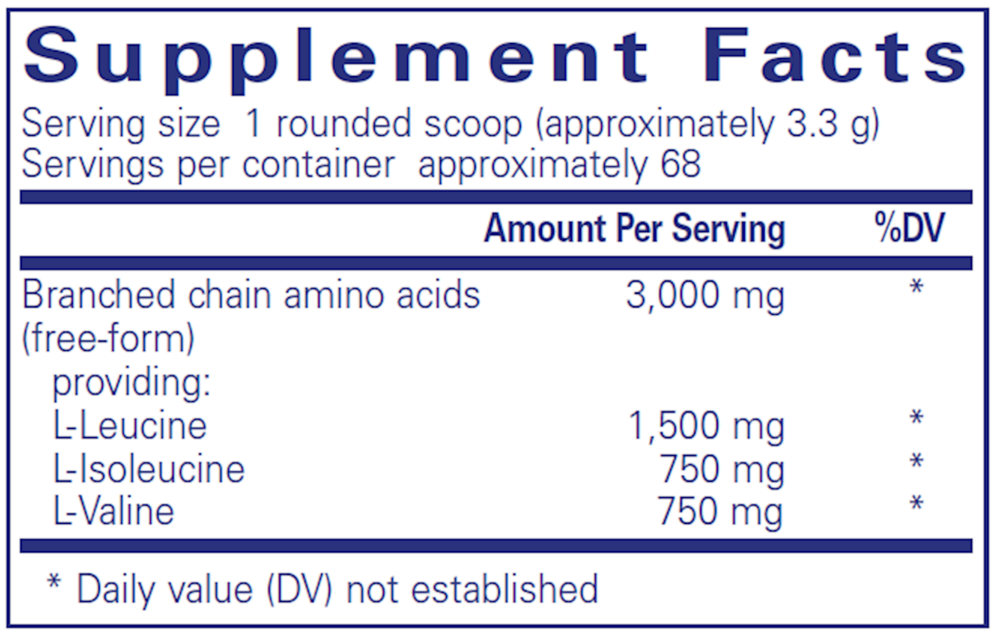
Pure Encapsulations
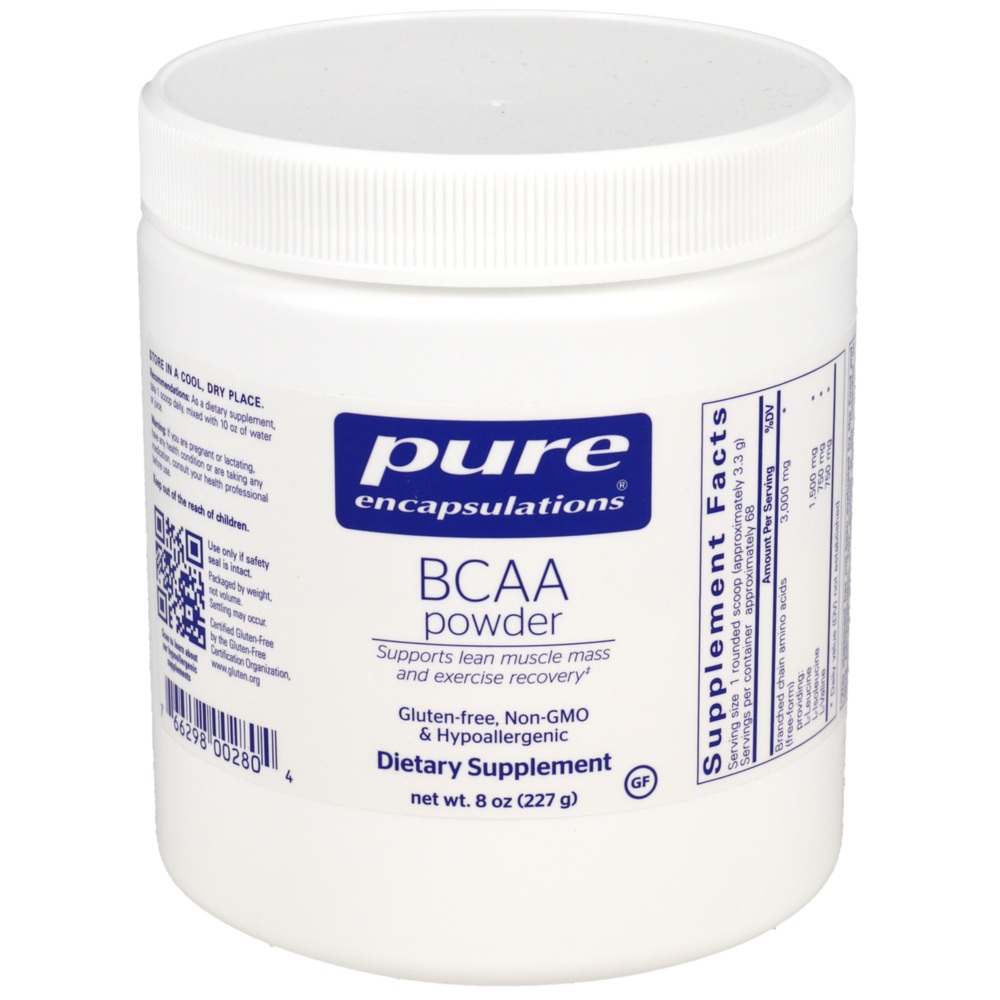
BCAA Powder by Pure Encapsulations
227 grams · 68-day supply
Support Muscle Recovery and Enhance Athletic Performance$63.00retail
Add to cart for 21% off
Purchase option
21% below MSRP3rd-party tested for purity & potencyFree shipping $50+
Vegetarian·Gluten Free·Egg Free·Peanut Free·Wheat Free·Artificial Preservative Free·
Pure Encapsulations BCAA Powder overview
If you train fasted, cut calories, or do long endurance sessions without much protein, BCAA powder can help you hold onto muscle and feel less beat up after. It’s also a fit if you’re plant-based and your daily protein is on the low side. If you already hit a solid protein target from food or whey, BCAAs add little for muscle gain compared with a complete protein or an essential amino acid blend.
Leucine, isoleucine, and valine are branched-chain amino acids that muscles can burn directly for energy during hard efforts, which can reduce muscle breakdown under stress. Leucine also flips on mTOR (the cell’s “build new muscle protein” switch), but that signal is short-lived without the other essential amino acids present. That’s why BCAAs ease soreness and reduce breakdown, while complete protein builds more new muscle.
Mix 1/2 to 1 scoop in water or juice and sip pre- or intra-workout, especially if you train on an empty stomach. One scoop provides a 2:1:1 ratio with 1.5 g leucine. For triggering muscle building, most protocols use about 2–3 g leucine alongside other essential amino acids, which is why pairing BCAAs with a protein-rich meal or whey post-workout is more effective for growth.
If muscle gain is your main goal and you already take whey or hit daily protein targets, BCAA powder is usually redundant. Skip or get clinician guidance if you have kidney disease, liver disease, or are pregnant or breastfeeding. BCAAs can interfere with levodopa (a Parkinson’s medication) by competing for absorption; separate by several hours or avoid unless your prescriber approves.
Frequently asked questions
Are BCAAs better than whey for muscle growth?
No. Whey or a full essential amino acid blend builds more muscle because it supplies all the building blocks, not just three. BCAAs help during fasted training or calorie cuts but underperform complete protein for muscle gain.
When should I take BCAA powder for best results?
Pre- or intra-workout is most practical, especially if you haven’t eaten protein for a few hours. That timing can curb muscle breakdown and reduce perceived soreness over the next 24–48 hours.
How much leucine do I need to trigger muscle building?
Most studies use about 2–3 grams of leucine to flip the muscle-building switch. One scoop here has 1.5 g leucine, so pairing it with a protein-rich meal or whey is the reliable route for growth.
Do BCAAs break a fast?
Yes. Amino acids stimulate insulin and cellular nutrient signaling, so they break a strict fast. They’re still useful for “fasted” training if your goal is performance or muscle retention rather than pure fasting.
Will BCAAs help with post-workout soreness?
They can modestly reduce soreness and markers of muscle damage in some people, especially when training volume is high and total dietary protein is limited. Expect small, not dramatic, differences.
Any side effects or interactions with BCAAs?
They’re generally well tolerated; occasional nausea or stomach upset can occur. BCAAs can compete with levodopa absorption; separate doses or avoid unless your clinician agrees. Use caution with kidney or liver disease.
Do I need BCAAs if I already eat enough protein?
Probably not. If you consistently hit protein targets from food or whey, BCAAs add little for muscle growth. They still have a niche during fasted or long training when you don’t want a full protein shake.
How to take it & ingredients
Suggested use: Take 1/2–1 scoop daily, mixed with 10 oz of water or juice.
Active ingredients
1 scoop = 3.3g per serving · 69 servings
L-Leucine
1500 mg
L-Isoleucine
750 mg
L-Valine
750 mg
Certifications
Benefits
Warnings