 Instalab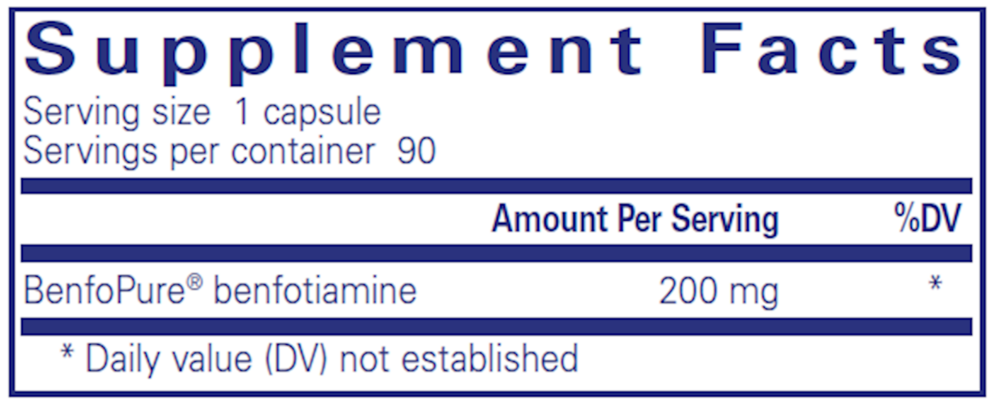

Pure Encapsulations
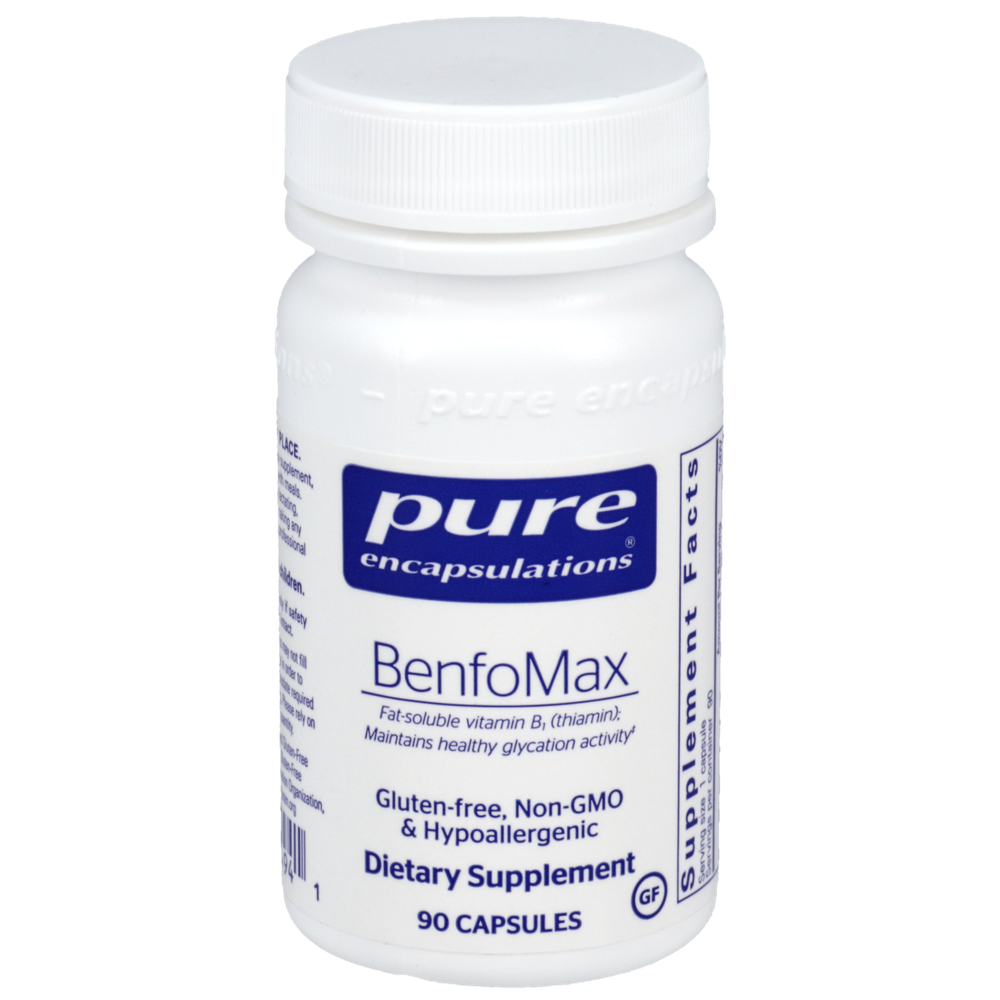
BenfoMax 200 mg by Pure Encapsulations
90 capsules · 90-day supply
Support for Healthy Glucose Metabolism and Nerve Function$59.00
Purchase options
Practitioner-grade brand3rd-party testedFree shipping $50+
Vegan·Vegetarian·Gluten Free·Egg Free·Peanut Free·Wheat Free·
Pure Encapsulations BenfoMax overview
If you are looking at benfotiamine for neuropathy, this is aimed at adults with long-standing high blood sugar or metabolic syndrome whose Hemoglobin A1c and fasting glucose run high and who notice nerve tingling or burning in the feet. It also fits those protecting eyes and kidneys when the Urine Albumin/Creatinine Ratio is creeping up. People on diuretics like furosemide, heavy drinkers, and older adults often run low on vitamin B1 and tend to respond more noticeably.
Benfotiamine is a fat-soluble form of vitamin B1 that raises active thiamine inside cells better than standard thiamine HCl. That boost turns on transketolase, an enzyme that diverts reactive sugar byproducts away from damaging pathways and lowers advanced glycation end products (AGEs, sugar-stiffened proteins that injure nerves and blood vessels). By easing this sugar stress, nerves conduct signals more normally and small vessels in the retina and kidneys see less wear. Effects on markers like hs-CRP (a general inflammation signal) are modest.
Take 1 to 3 capsules daily with meals, split into two or three doses for steadier tissue levels. That provides 200 to 600 mg per day, which matches most clinical studies that track symptom change within 4 to 12 weeks. If your A1c is high and neuropathy symptoms are established, the 400 to 600 mg range is typically used, then many step down to 200 mg for maintenance. Pairing with alpha-lipoic acid is common when aiming at nerve discomfort.
Benfotiamine is well tolerated, with occasional mild stomach upset. It does not act like a drug that forces blood sugar down, but improving glucose handling can change medication needs. If you use insulin or sulfonylureas, monitor closely and coordinate dose changes with your clinician. Pregnancy and breastfeeding lack good data, so skip unless your obstetric clinician agrees. If you have serious kidney disease or are on dialysis, use under supervision and track labs such as Hemoglobin A1c and thiamine status.
Frequently asked questions
Does benfotiamine help diabetic neuropathy?
Yes, several trials show reduced burning and tingling with 300–600 mg per day, often within 4–12 weeks. It works by raising active thiamine in nerves and lowering sugar-related damage. Benefits depend on keeping glucose controlled, so keep an eye on Hemoglobin A1c alongside symptoms.
What is the best benfotiamine dose?
For nerve symptoms, 300–600 mg per day in divided doses is the studied range. For maintenance or prevention, 200 mg daily is common. Start lower if you’re sensitive to supplements, and reassess at 4–8 weeks based on symptom change and your lab trends.
Will benfotiamine lower my blood sugar?
It is not a glucose-lowering drug. It improves how cells handle sugar byproducts and reduces glycation damage. Even so, better diet and activity alongside benfotiamine can change your medication needs, so monitor glucose and coordinate with your clinician.
Is benfotiamine better than regular thiamine?
For nerve-focused goals, yes. Benfotiamine is fat-soluble and raises intracellular thiamine more effectively, which is why it shows stronger effects on nerve symptoms and advanced glycation end products. Plain thiamine is fine for general repletion but is less reliable for neuropathy.
How long does benfotiamine take to work?
Most responders notice changes in nerve comfort within 4–12 weeks. Give it at least a month at a consistent dose, track symptoms, and keep diet and glucose management steady so you can tell what’s helping.
Can I take benfotiamine with metformin or insulin?
Yes, it’s generally compatible. It does not directly cause hypoglycemia, but if your overall control improves, your medication doses might need adjustment. Check glucose regularly and involve your prescriber when making changes.
What side effects should I expect from benfotiamine?
Side effects are uncommon and usually mild, like stomach upset or headache. Taking it with meals and dividing the dose helps. Serious reactions are rare, but stop and seek care if you notice rash, swelling, or trouble breathing.
Can I combine benfotiamine with alpha-lipoic acid?
Yes. They are often paired for nerve health: benfotiamine tackles sugar-related damage, while alpha-lipoic acid addresses oxidative stress. Start one at a time so you can judge tolerance, then combine if needed.
How to take it & ingredients
Suggested use: Take 1–3 capsules daily, in divided doses, with meals.
Active ingredients
1 capsule per serving · 90 servings
Benfotiamine
BenfoPure®
BenfoPure®
200 mg
Other ingredients: Hypoallergenic plant fiber (cellulose), Ascorbyl palmitate, Vegetarian capsule (cellulose, water)
Certifications
Benefits
Warnings