 Instalab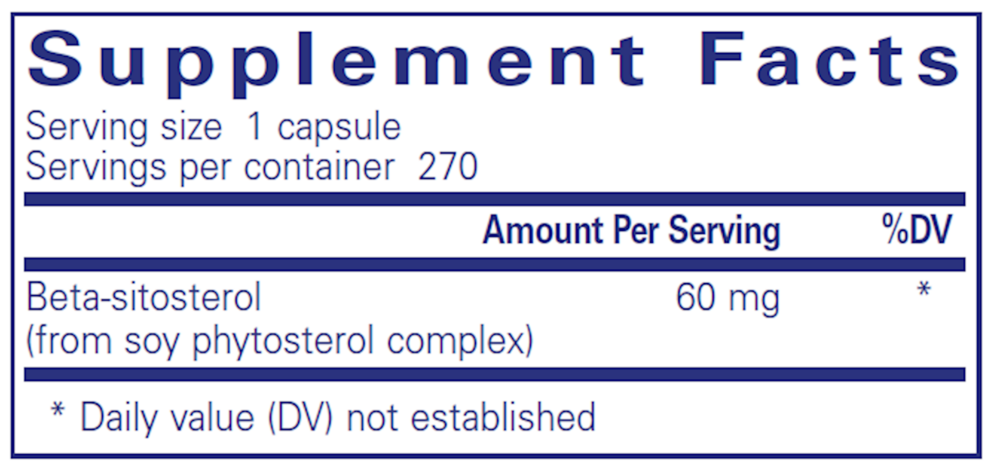
Pure Encapsulations
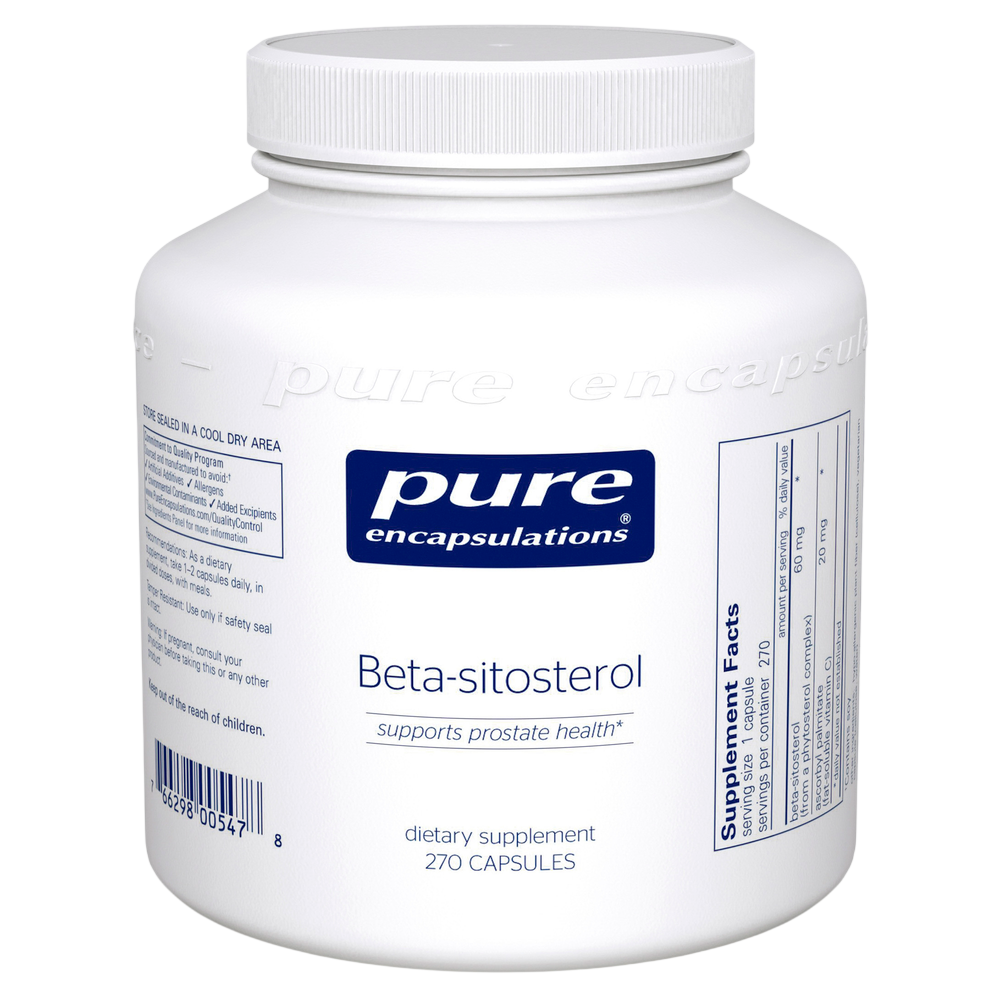
Beta-Sitosterol 60 mg by Pure Encapsulations
270 capsules · 270-day supply
Plant Sterols for Prostate Health and Urinary Support$55.00
Purchase options
Practitioner-grade brand3rd-party testedFree shipping $50+
Gluten Free
Pure Encapsulations Beta-Sitosterol overview
Men over 45 with bothersome urinary symptoms from benign prostate enlargement often search for “beta-sitosterol for prostate.” If your stream is weak, you strain to start, or you wake at night to urinate, this plant sterol is a reasonable non-drug trial. It helps symptoms without changing PSA (prostate-specific antigen, a blood marker) and pairs well with tracking a symptom score over 4 to 12 weeks.
Beta-sitosterol is a phytosterol (a cholesterol-like molecule from plants) that seems to calm inflammation in prostate tissue and mildly reduce dihydrotestosterone signaling, which together can ease obstruction at the bladder outlet. In randomized trials, people saw modest but meaningful gains in peak urinary flow and fewer nighttime trips within 4 to 8 weeks, even though prostate size and PSA typically did not change.
Take 1 to 2 capsules daily with meals, as directed, ideally split across breakfast and dinner for steady exposure. Most clinical studies used 60 to 130 mg per day, so one to two capsules matches that range. Expect to judge benefit after 4 to 8 weeks, with full effect by 3 months. This 60 mg strength is for urinary symptoms, not for cholesterol lowering.
See a urologist before self-treating if you have blood in urine, pain, urinary infections, incontinence, kidney issues, or a rapidly rising PSA (prostate-specific antigen, the lab test). Skip beta-sitosterol in sitosterolemia (a rare genetic condition). For LDL cholesterol change, the effective phytosterol dose is grams per day, not this capsule strength.
Frequently asked questions
Does beta-sitosterol actually shrink the prostate?
No. Trials show symptom relief and better urinary flow without shrinking prostate size. PSA (the blood marker doctors follow) usually does not change either.
How long does beta-sitosterol take to work for BPH symptoms?
Most responders notice improvement in 4 to 8 weeks, with full effect by about 3 months. If nothing changes by then, it’s reasonable to stop and reassess.
Can I take beta-sitosterol with tamsulosin or finasteride?
Yes, they’re often combined. Beta-sitosterol works symptomatically and doesn’t affect PSA. Keep your prescribed meds unless your clinician advises changes.
Will this dose lower my LDL cholesterol?
Unlikely. LDL reduction needs about 1.6–2 grams of plant sterols daily in foods or higher-dose supplements. This capsule is aimed at urinary symptoms.
What side effects should I watch for?
It’s generally well tolerated. Occasional reports include mild stomach upset. At typical doses it doesn’t affect fat-soluble vitamin levels. Stop if you notice rash or persistent GI issues.
Does beta-sitosterol affect PSA test results?
Not meaningfully. Studies show symptom improvement without consistent PSA changes. Keep routine PSA testing and follow your clinician’s guidance.
Who should not take beta-sitosterol?
Avoid it if you have sitosterolemia. Anyone with blood in urine, urinary retention, fever, or rapidly changing PSA should get medical evaluation first.
Do I need to take it with food?
Yes, take it with meals. Dividing the dose with breakfast and dinner is a practical way to match how it was used in studies and minimize stomach upset.
How to take it & ingredients
Suggested use: Take 1–2 capsules daily, in divided doses, with meals.
Active ingredients
1 capsule per serving · 270 servings
Beta-Sitosterol
From phytosterol complex
From phytosterol complex
60 mg
Other ingredients: Hypoallergenic Plant Fiber (cellulose), Ascorbyl Palmitate, Vegetarian Capsule (cellulose, water)
Certifications
Benefits
Warnings
Customers also considered
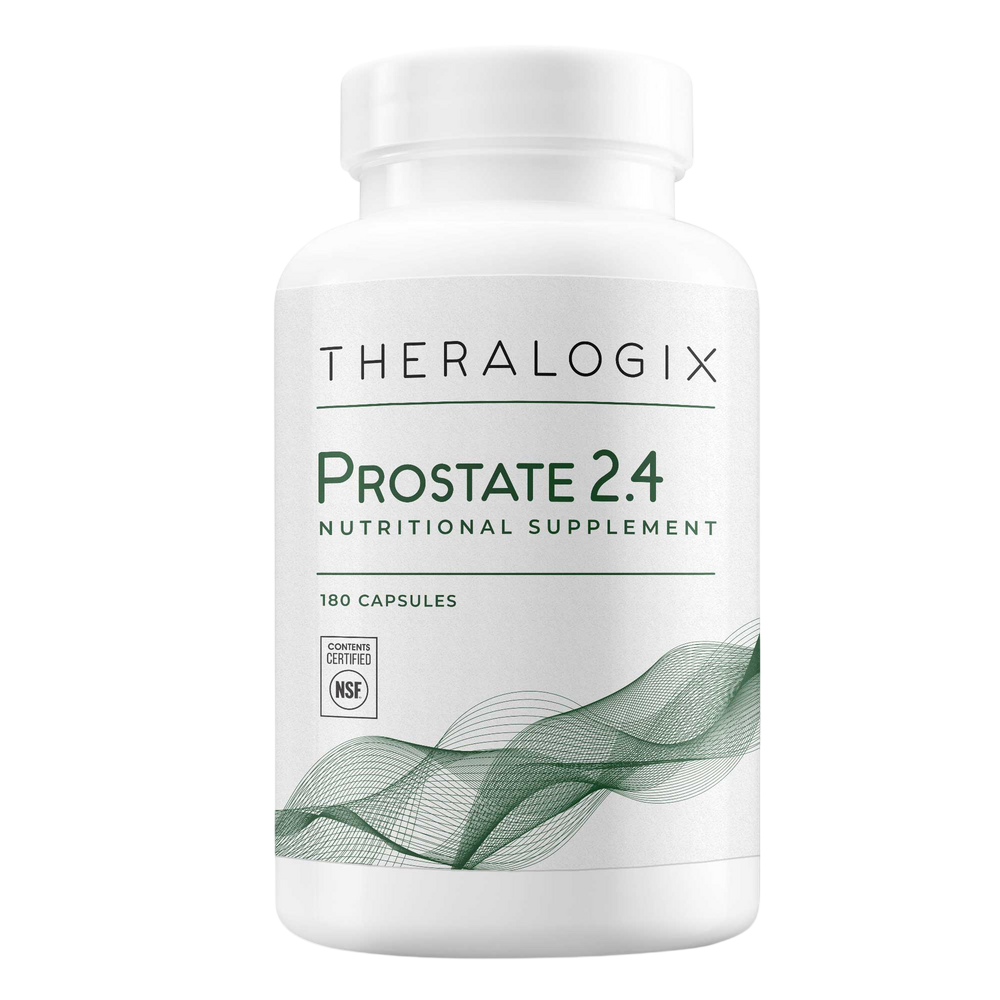
Prostate 2.4
Theralogix
180 capsules
$122.99$97.99 with Subscribe & Save
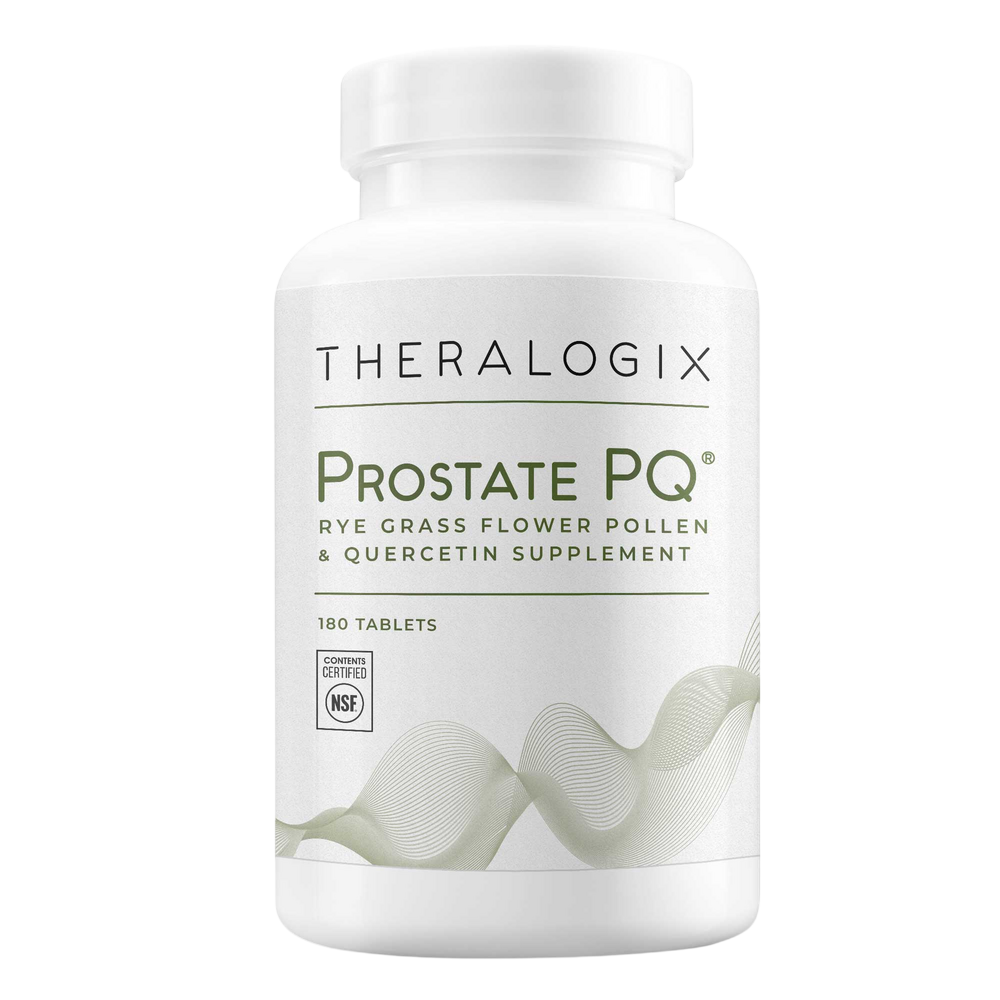
Prostate PQ Rye Grass Flower Pollen & Quercetin Supplement
Theralogix
180 tablets
$130.99$104.99 with Subscribe & Save
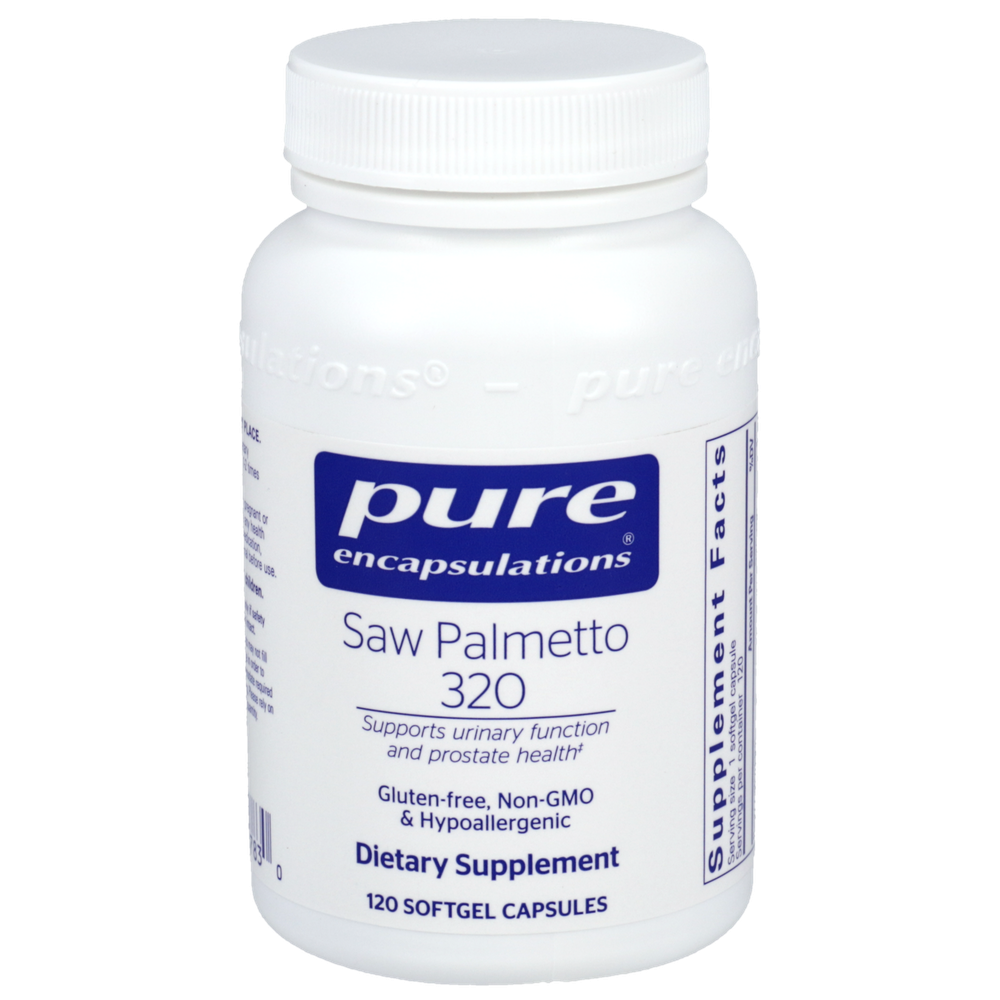
Saw Palmetto 320
Pure Encapsulations
120 softgels
$89.50$71.99 with Subscribe & Save
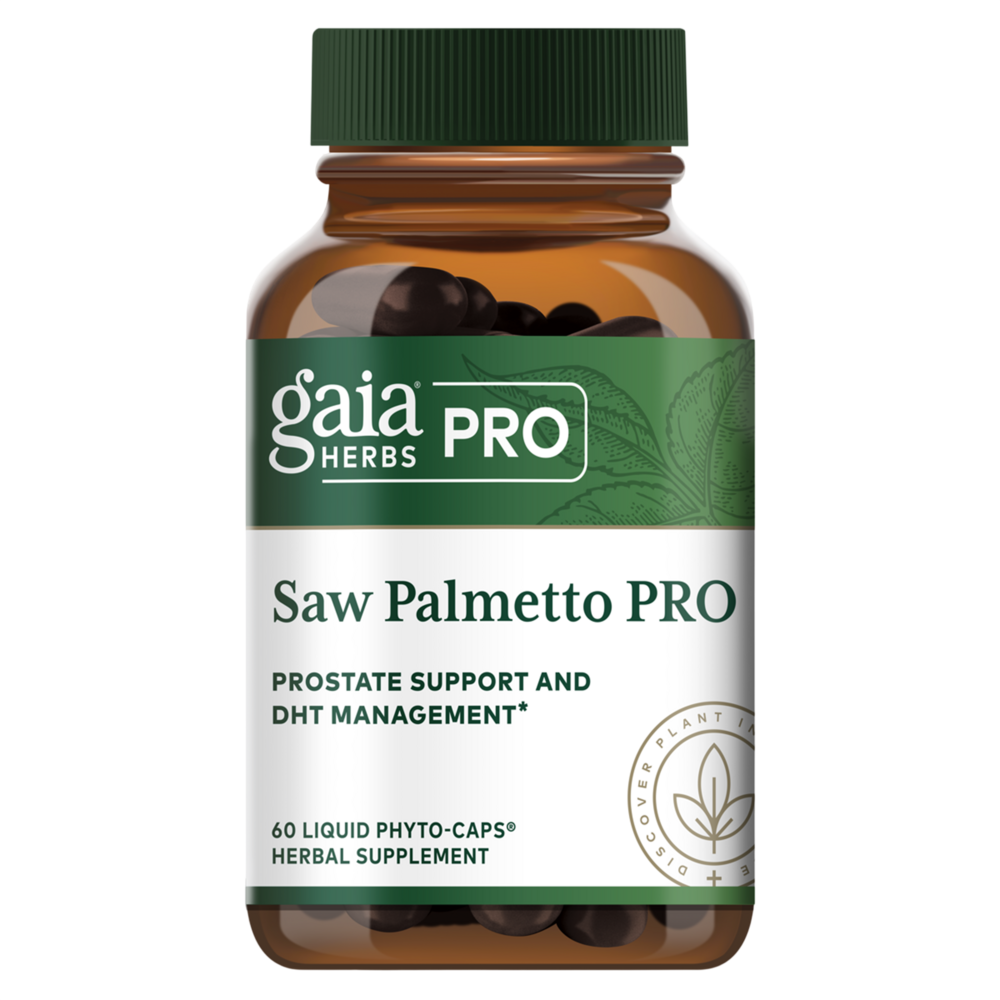
Saw Palmetto PRO
Gaia Herbs Pro
60 capsules
$40.99$32.99 with Subscribe & Save