 Instalab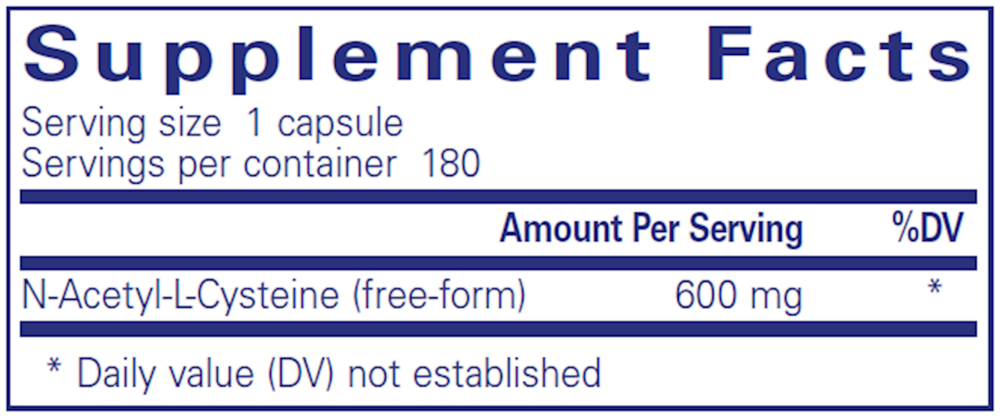
Pure Encapsulations
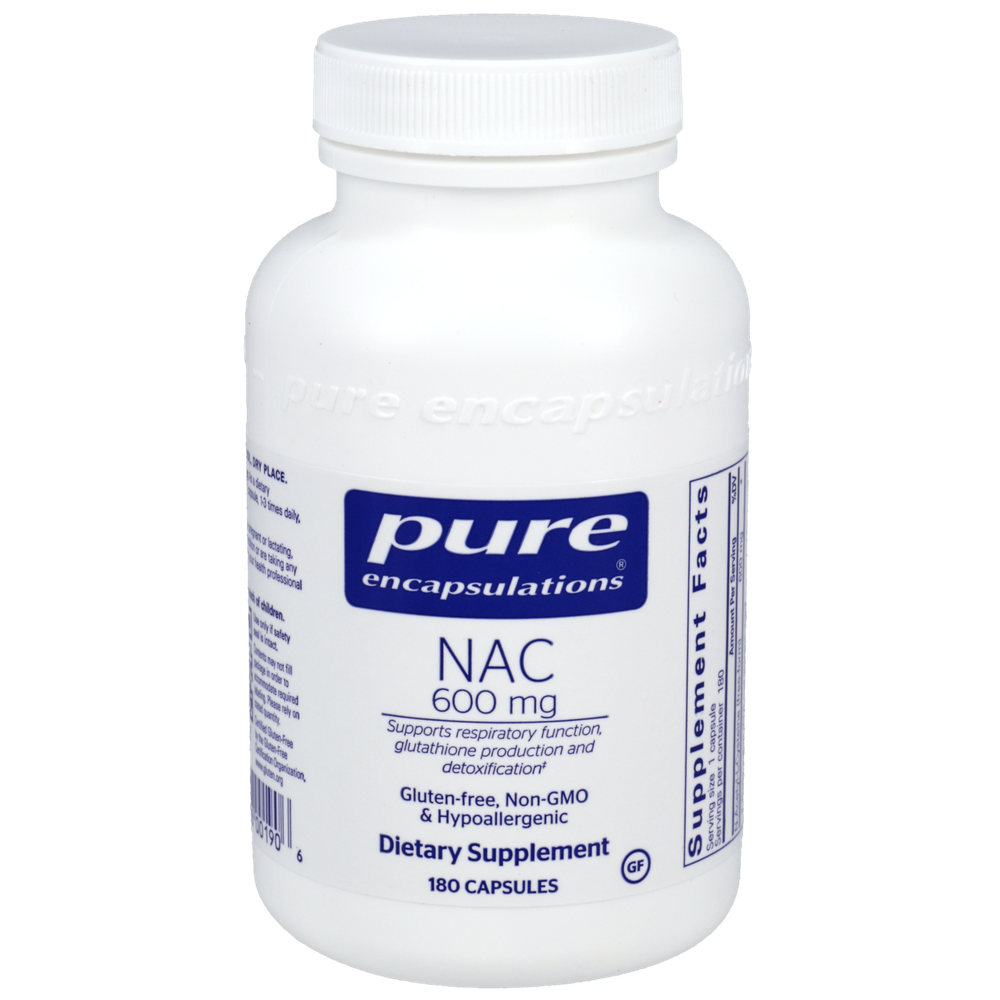
NAC 600mg by Pure Encapsulations
180 capsules · 180-day supply
Powerful Antioxidant Support for Cellular Health and Detoxification$63.50retail
Add to cart for 20% off
Purchase option
20% below MSRP3rd-party tested for purity & potencyFree shipping $50+
Gluten Free
Pure Encapsulations NAC 600mg overview
If your Glutathione or GGT (gamma‑glutamyl transferase, a marker of oxidative stress and liver load) suggests your antioxidant defenses are strained, NAC 600 mg is a practical first step. It fits athletes in heavy training, adults with high pollution exposure, frequent acetaminophen use, or low protein intake, where cysteine can be limiting. If your liver enzymes (ALT, AST) run high, clinicians often try NAC while they address root causes. For established deficiency, higher short‑term dosing under guidance is common, then step down.
N‑acetyl cysteine is a stable, well‑absorbed form of cysteine, the rate‑limiting building block for glutathione (the cell’s main antioxidant). By raising intracellular glutathione, NAC helps neutralize reactive oxygen species and supports phase II detoxification (the liver’s process of attaching glutathione to toxins so they can be excreted). It also breaks disulfide bonds in mucus, which explains its use as a mucolytic in respiratory care. In responders, oxidative stress markers and hs‑CRP (a general inflammation marker) often improve within 2 to 6 weeks.
Take 1 capsule between meals, 1 to 3 times daily. Between meals improves uptake because cysteine competes with other amino acids from protein. For steady glutathione repletion, many adults use 600–1,200 mg per day for 4 to 12 weeks, then reassess labs. If you’re targeting thick mucus, split dosing (morning and mid‑afternoon) is practical. Pairing with glycine and selenium can further support glutathione recycling, but check your Selenium and RBC Magnesium first to avoid overshooting.
Skip NAC with nitroglycerin or isosorbide, since it amplifies vasodilation and can cause severe headaches and low blood pressure. Use caution with blood thinners or high‑dose fish oil because NAC has mild antiplatelet effects; monitor if you bruise easily. Oncology patients should not self‑supplement antioxidants around chemo or radiation without oncologist approval. Asthma is fine with oral NAC in most people, but stop if you notice wheeze. Pregnancy and nursing: use only with clinician guidance.
Frequently asked questions
What does NAC actually do?
NAC supplies cysteine to make glutathione, the body’s main intracellular antioxidant. That improves redox balance, supports liver conjugation of toxins, and it can thin mucus by breaking disulfide bonds. Benefits show up on labs like Glutathione, GGT, and sometimes hs‑CRP.
How long does NAC take to work?
For glutathione status, changes can appear within 1–2 weeks, with clearer shifts by 4–6 weeks. For mucus, people often notice effects the same day to a few days. Recheck labs such as Glutathione, GGT, ALT, and AST after 4–12 weeks.
Can I take NAC with food?
You can, but between meals is better. Competing amino acids from protein can blunt uptake. If it upsets your stomach when taken empty, a small snack is fine, just keep it away from high‑protein meals when possible.
Is NAC safe to take daily long term?
At typical doses (600–1,200 mg/day), NAC is well‑tolerated for months. Long‑term use should be guided by symptoms and labs to avoid taking more than you need. Common side effects are mild nausea or sulfur odor; reduce dose if that happens.
Does NAC interact with medications?
Yes with nitrates like nitroglycerin or isosorbide—avoid the combo due to additive blood pressure drop and headaches. Use caution if you’re on blood thinners. Always clear NAC with your cardiologist or oncologist if you’re in active treatment.
Should I take NAC or glutathione?
For most, NAC is the cost‑effective first step because it raises your own glutathione inside cells. Direct glutathione can help if you don’t convert well or have gut issues. Let your Glutathione and GGT guide the choice after 4–8 weeks.
Does NAC prevent colds or flu?
Evidence for routine infection prevention is mixed. Some studies suggest milder symptoms in older adults, but it’s not a substitute for vaccines or sleep, protein, and exercise. Use NAC for redox and mucus goals, not as your only immune strategy.
How to take it & ingredients
Suggested use: Take 1 capsule between meals, 1 to 3 times daily, or as directed by your healthcare professional.
Active ingredients
1 capsule per serving · 180 servings
N-acetyl L-cysteine
Free form NAC
Free form NAC
600 mg
Other ingredients: Ascorbyl palmitate, Vegetarian cellulose capsule (cellulose, water)
Certifications
Benefits
Warnings