 Instalab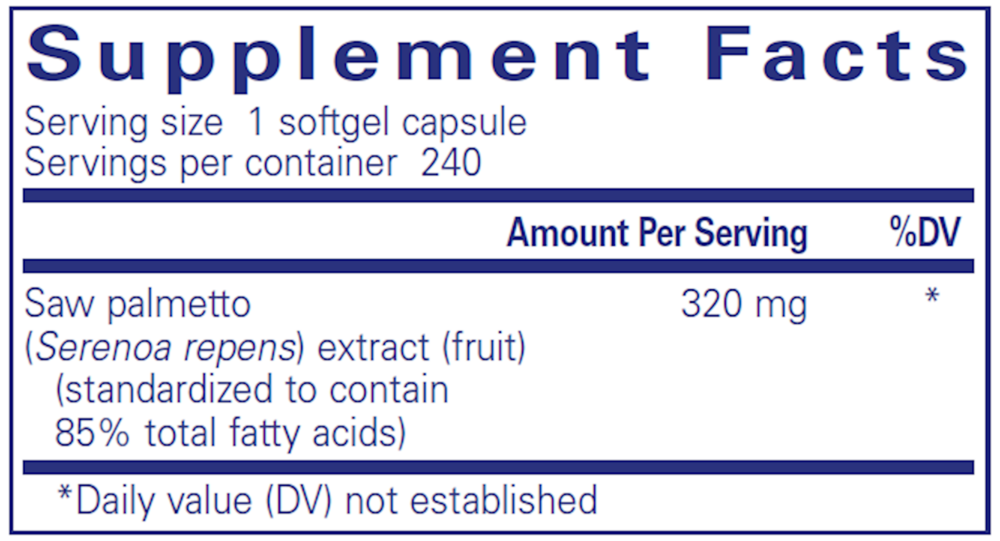
Pure Encapsulations
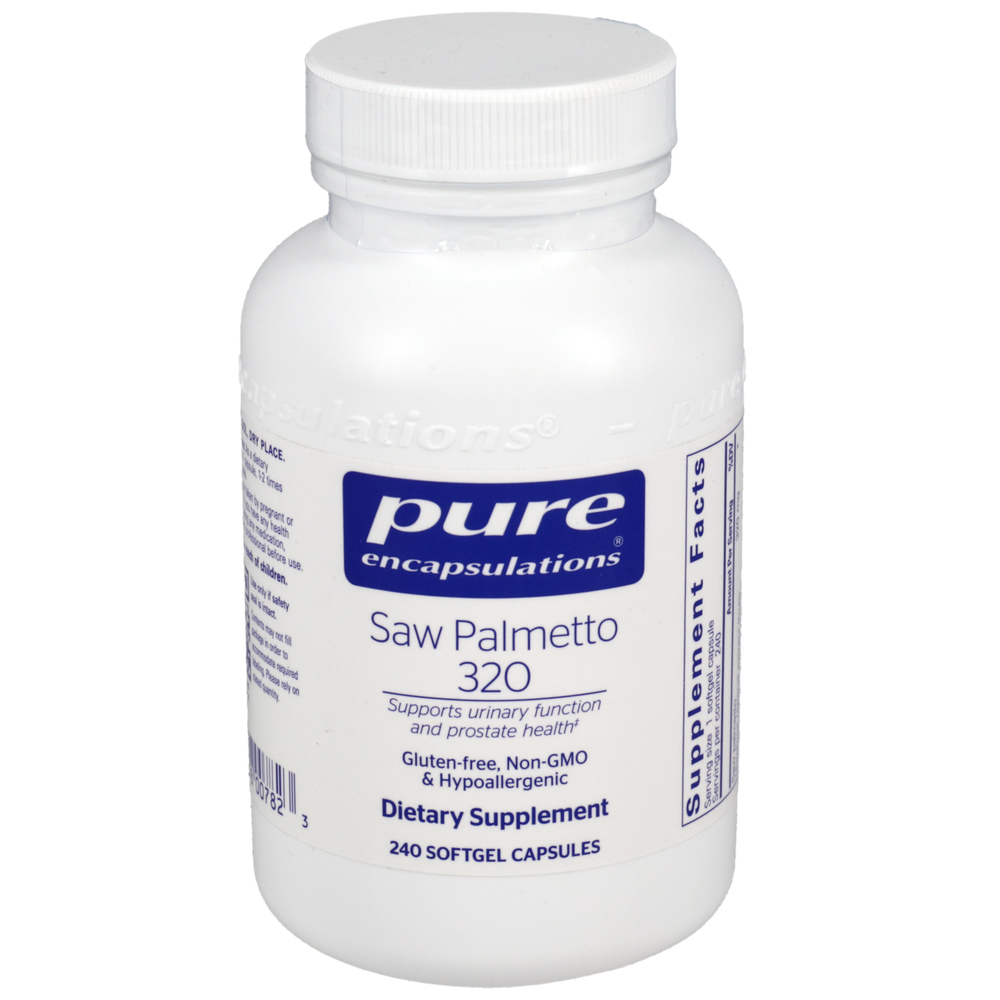
Saw Palmetto 320 by Pure Encapsulations
240 softgels · 240-day supply
Support for Prostate Health and Hormonal Balance$164.00
Purchase options
Practitioner-grade brand3rd-party testedFree shipping $50+
Pure Encapsulations Saw Palmetto 320 overview
If you’re weighing saw palmetto for enlarged prostate symptoms, this fits men with mild lower urinary tract issues: frequent urination, weak stream, or waking at night, with a stable Prostate-Specific Antigen (PSA) and no red flags. It’s reasonable if you want to try a non-drug option before alpha‑blockers or 5‑alpha‑reductase drugs. If you’re having urinary retention, infections, blood in urine, weight loss, or rapidly worsening symptoms, skip supplements and see a urologist first.
This extract is standardized to 85% fatty acids, the active fraction studied at 320 mg. These fatty acids modestly inhibit 5‑alpha‑reductase (the enzyme that turns testosterone into dihydrotestosterone, a stronger androgen that enlarges prostate tissue) and may block dihydrotestosterone from binding its receptor. They also dampen COX and 5‑LOX signaling (pathways that create pro‑inflammatory lipids). In practice, symptom changes, when they happen, are modest and show up over 4 to 12 weeks.
The studied dose is 320 mg daily. The label suggests 1–2 capsules per day in divided doses between meals; many trials used 320 mg once daily with food to limit stomach upset and aid absorption of the fatty acids. Pick one approach and stick with it for at least 8 weeks before judging. If you get nausea or reflux, take it with your largest meal. Keep hydration up if nighttime urination is your main complaint.
Skip this if you’re on blood thinners like warfarin, apixaban, rivaroxaban, or antiplatelets such as clopidogrel, or if you have surgery scheduled within two weeks, due to bleeding risk. Do not self-treat possible prostate cancer; get a PSA and exam first. Pregnancy and breastfeeding: avoid. If you’re already on finasteride or dutasteride, adding saw palmetto rarely adds value; discuss any plan to combine with your prescriber.
Frequently asked questions
Does saw palmetto actually work for BPH?
Evidence is mixed. Some studies show small improvements in urinary symptom scores and nighttime urination, while others match placebo. Benefits, when present, tend to be modest and most likely in mild symptoms over 4–12 weeks.
How long does saw palmetto take to work?
Give it 4 to 12 weeks. Most responders notice gradual changes in frequency, flow, or nighttime urination by the two‑ to three‑month mark. If there’s no change by 12 weeks, it’s reasonable to stop and reassess.
Should I take saw palmetto with food or on an empty stomach?
Either is acceptable. The label says between meals, but taking it with a meal can reduce stomach upset and may improve absorption of the fatty acids. Be consistent with your chosen timing.
Does saw palmetto lower PSA levels?
It generally does not lower PSA in a clinically meaningful way, unlike finasteride. Still, tell your clinician you’re taking it so PSA results are interpreted in context and trends are watched over time.
Can I combine saw palmetto with finasteride or tamsulosin?
Combining with finasteride or dutasteride rarely adds much and can increase side effects. Pairing with tamsulosin is sometimes done but should be clinician‑guided. Always clear combinations with your prescriber.
What side effects should I watch for?
Most people tolerate it well. Possible effects include nausea, abdominal discomfort, headache, or dizziness. Stop and seek care for rash, unusual bleeding, severe pain, fever, or urinary retention.
Does saw palmetto affect testosterone or fertility?
Blood testosterone usually doesn’t change much. The extract mainly targets dihydrotestosterone actions in prostate tissue. There’s limited data on fertility; if you’re trying to conceive, discuss with your clinician.
Is saw palmetto safe with blood thinners?
Avoid it with warfarin, apixaban, rivaroxaban, or clopidogrel due to bleeding risk. Stop at least two weeks before procedures and tell your surgical team about any supplements.
How to take it & ingredients
Suggested use: Take 1–2 capsules per day, in divided doses, between meals.
Active ingredients
1 softgel per serving · 240 servings
Saw Palmetto Extract
Serenoa repens, fruit, standardized to contain 85% total fatty acids and 0.15% phytosterols
Serenoa repens, fruit, standardized to contain 85% total fatty acids and 0.15% phytosterols
320 mg
Other ingredients: Gelatin capsule (gelatin, glycerin, water)
Certifications
Benefits
Warnings
Customers also considered
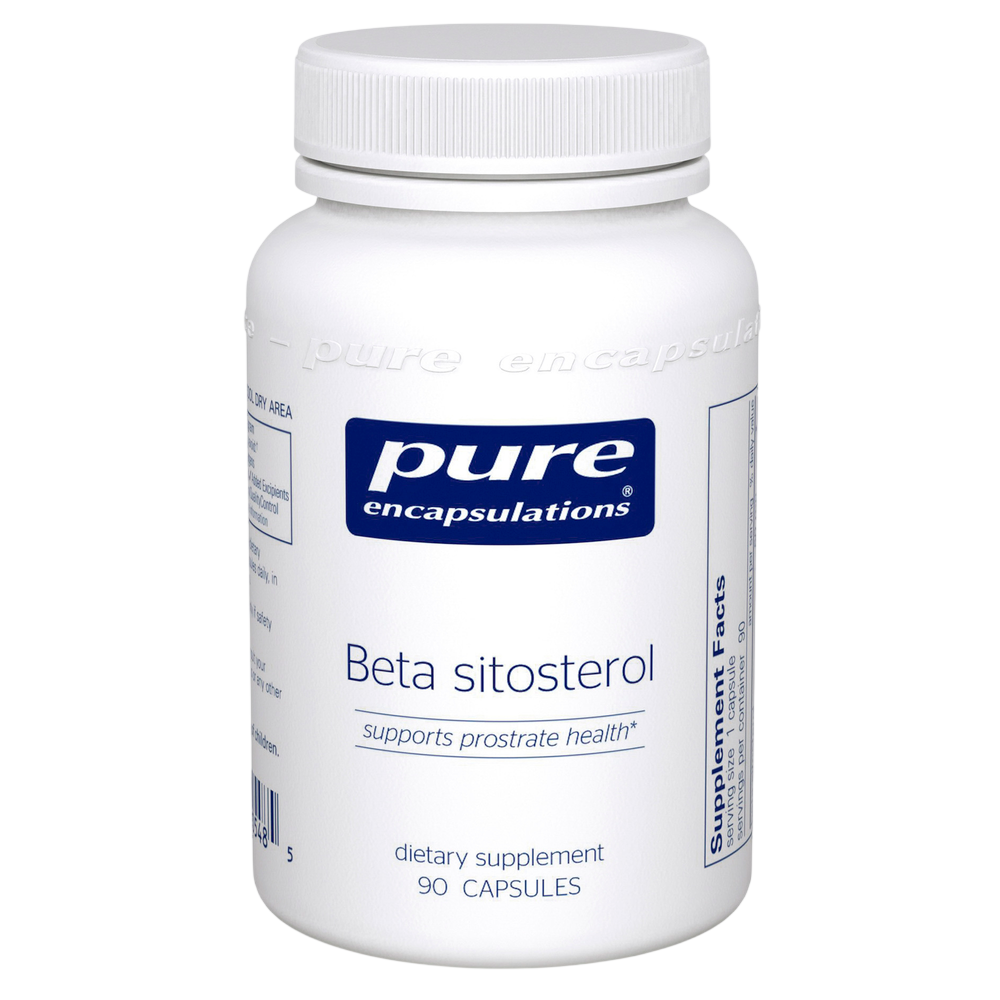
Beta-Sitosterol
Pure Encapsulations
90 capsules
$21.50$16.99 with Subscribe & Save

Prostate 2.4
Theralogix
180 capsules
$122.99$97.99 with Subscribe & Save

Prostate PQ Rye Grass Flower Pollen & Quercetin Supplement
Theralogix
180 tablets
$130.99$104.99 with Subscribe & Save
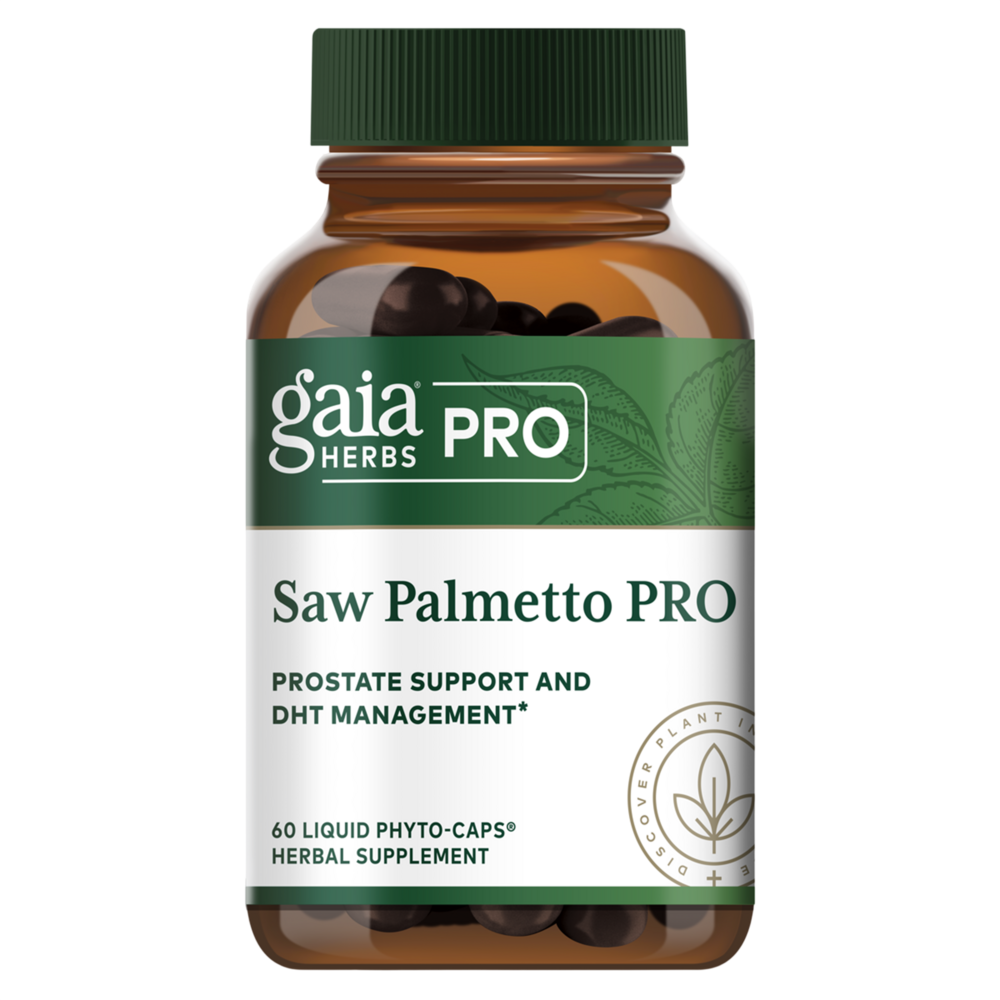
Saw Palmetto PRO
Gaia Herbs Pro
60 capsules
$40.99$32.99 with Subscribe & Save