 Instalab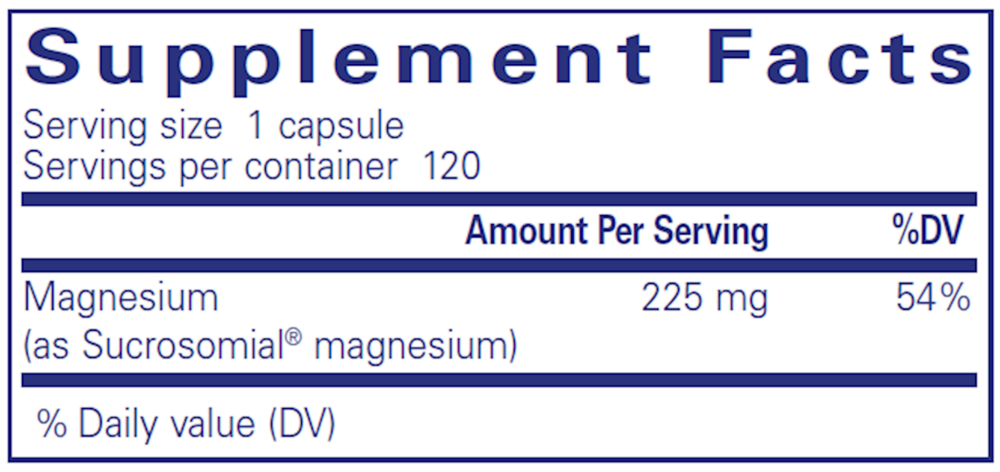

Pure Encapsulations
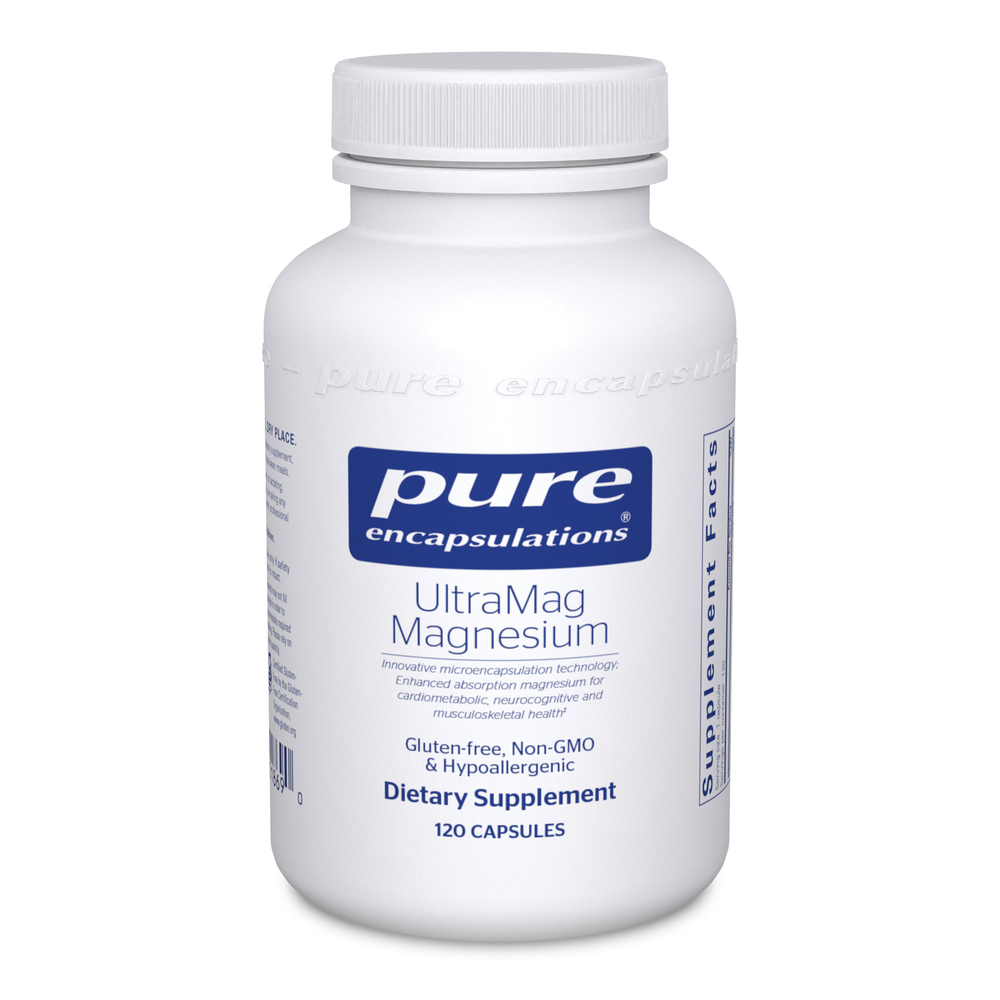
UltraMag Magnesium 225 mg by Pure Encapsulations
120 capsules · 120-day supply
Advanced Magnesium Support for Relaxation and Muscle Function$50.00retail
Add to cart for 20% off
Purchase option
20% below MSRP3rd-party tested for purity & potencyFree shipping $50+
Vegan·Vegetarian·Gluten Free
Pure Encapsulations UltraMag Magnesium overview
This fits people who want magnesium for relaxation, muscle comfort, or steady energy but get stomach upset or loose stools from citrate or oxide. It’s useful if your Magnesium blood test or RBC Magnesium (magnesium inside red blood cells, a better window into tissue stores) is low or low‑normal. Athletes with heavy sweat loss, people on proton pump inhibitors (acid‑blocking meds), and those with frequent migraines or PMS often run low and feel better with repletion.
Sucrosomial magnesium wraps the mineral in a microencapsulated matrix that helps it pass through the stomach and into the intestine with less irritation, improving uptake and tolerance compared with many salts. Once absorbed, magnesium calms excitable nerve and muscle cells by balancing calcium entry, supports ATP production (the cell’s energy currency), and helps enzymes that regulate blood pressure and glucose handling. It’s also required to activate vitamin D in the liver and kidneys.
Take one capsule daily, with or between meals. Evening works well if you’re using magnesium for relaxation or sleep quality. If you’re very sensitive, start every other day for a week, then move to daily. This is a solid maintenance dose; established deficiency often needs higher total daily magnesium for 4–8 weeks under clinician guidance, then step down. Citrate is better if constipation relief is the main goal.
Separate magnesium by at least 2–4 hours from levothyroxine, fluoroquinolone or tetracycline antibiotics, and bisphosphonates, since it can block their absorption. Use caution and get guidance if you have significant kidney disease, as magnesium can accumulate. Mild blood pressure lowering is common; monitor if you’re on antihypertensive drugs. It pairs well with vitamin D, but if cramps persist, also check Ferritin (iron stores) and Vitamin D, 25-Hydroxy.
Frequently asked questions
What is sucrosomial magnesium and is it better absorbed?
It’s a microencapsulated form designed to pass the stomach gently and be absorbed efficiently. In practice, people who get diarrhea or cramps from citrate/oxide usually tolerate sucrosomial well, with comparable or better absorption.
When will I feel a difference from magnesium?
Relaxation or sleep quality can improve within days if you were low. For muscle comfort, migraines, or blood pressure, expect steadier changes over 4–8 weeks as tissue levels normalize.
Should I take magnesium in the morning or at night?
Either works. Many take it in the evening for a calming effect. If you notice daytime sleepiness, move it to night; if you feel too relaxed at night, take it earlier.
Does magnesium cause diarrhea?
Some forms do, especially citrate and oxide at higher doses. Sucrosomial is gentler on the gut and far less likely to loosen stools, which is why many choose it.
Can I take magnesium with vitamin D?
Yes. Magnesium is required to activate vitamin D, so they work well together. If you’re repleting vitamin D, adequate magnesium often makes the process smoother.
Which lab test should I check for magnesium status?
Serum Magnesium is common but can miss shortages. RBC Magnesium (magnesium inside red blood cells) often tracks tissue status better. Recheck 8 weeks after steady dosing.
Who should avoid magnesium supplements?
People with significant kidney disease need medical guidance. Also separate from levothyroxine, certain antibiotics, and bisphosphonates by 2–4 hours to avoid blocking their absorption.
How to take it & ingredients
Suggested use: Take 1 capsule daily, with or between meals, or as directed by a health professional.
Active ingredients
1 capsule per serving · 120 servings
Magnesium
Sucrosomial Magnesium (microencapsulated magnesium)
Sucrosomial Magnesium (microencapsulated magnesium)
225 mg
Other ingredients: Magnesium oxide, Pregelatinized rice starch, Sucrose esters of fatty acids, Sunflower lecithin, Tricalcium phosphate, Rice flour, Vegetarian capsule (cellulose, water), Hypoallergenic plant fiber (cellulose)
Certifications
Benefits
Warnings