 Instalab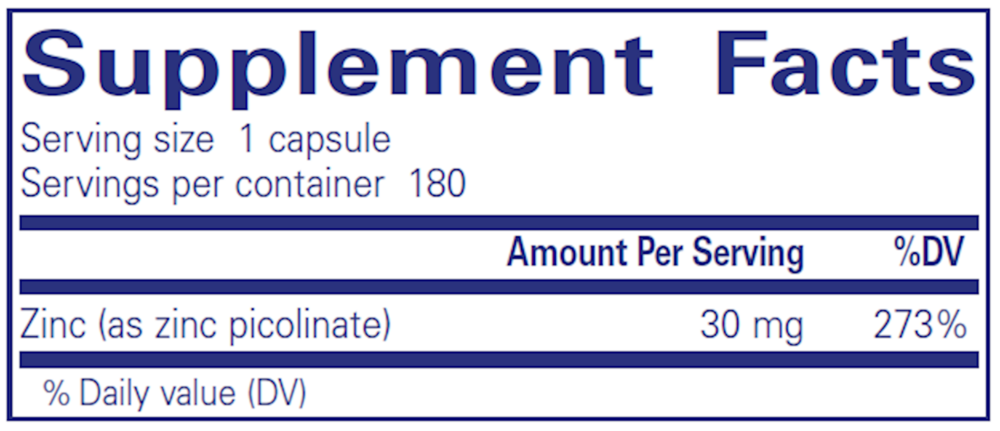

Pure Encapsulations
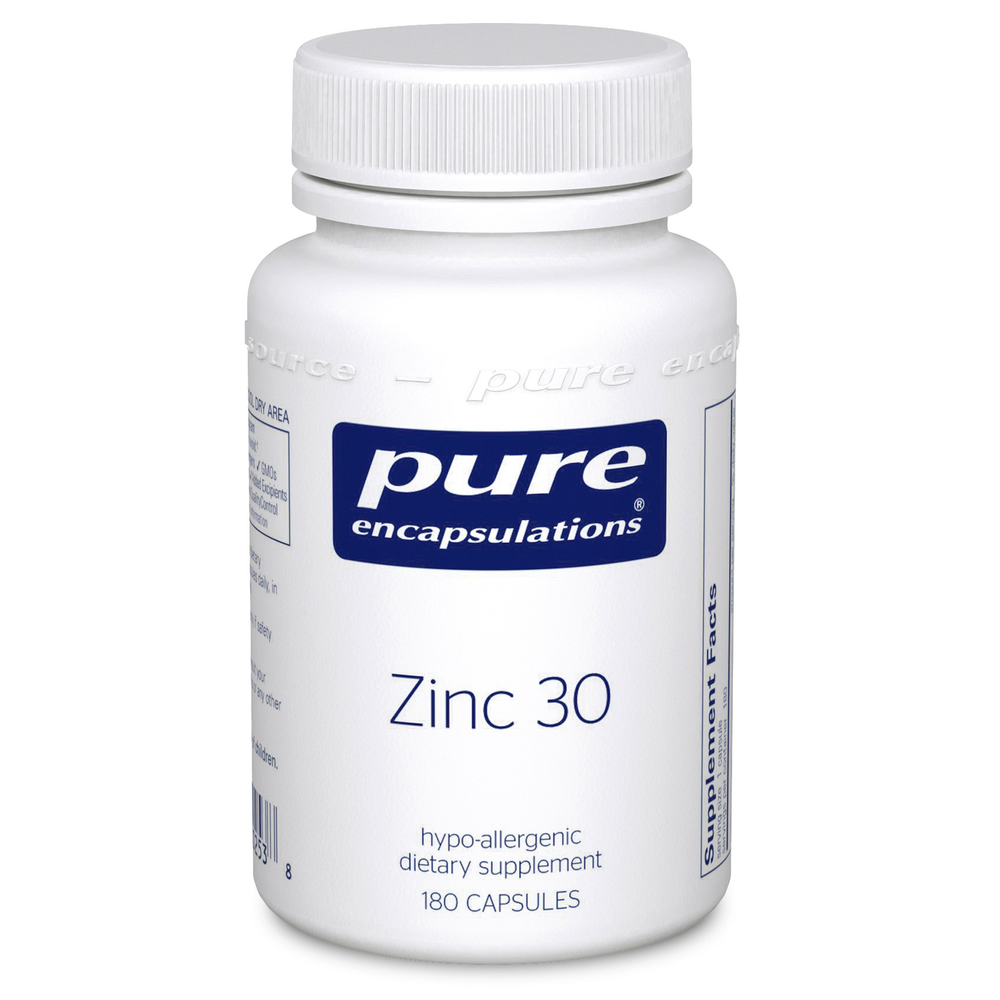
Zinc 30 by Pure Encapsulations
180 capsules · 180-day supply
Essential Zinc for Immune Support and Healthy Metabolism$40.50retail
Add to cart for 21% off
Purchase option
21% below MSRP3rd-party tested for purity & potencyFree shipping $50+
Vegan·Vegetarian·Gluten Free
Pure Encapsulations Zinc 30 overview
If you’re searching for zinc picolinate 30 mg because your Zinc (serum or plasma) runs low or your diet limits animal protein, this is a practical daily dose. Vegans, vegetarians, those on high‑phytate diets (legumes, whole grains), and people with malabsorption or after bariatric surgery often need more absorbable zinc. It’s also reasonable if your Alkaline Phosphatase (a zinc-dependent enzyme) trends low, or if taste and smell are off. For established deficiency, clinicians often replete more aggressively short term, then step down.
Zinc picolinate binds zinc to picolinic acid, which improves uptake in the gut compared with less soluble forms like zinc oxide. Once absorbed, zinc is a cofactor for hundreds of enzymes that drive skin repair, DNA synthesis, and immune cell signaling. It helps T cells (white blood cells that coordinate immune responses) mature and function, which is why low zinc correlates with frequent infections. Daily zinc can normalize taste receptors and aid wound healing within 4 to 12 weeks. For colds specifically, evidence favors zinc acetate or gluconate lozenges started early, not capsules.
Pure Encapsulations Zinc 30 is intended 1–2 times daily with meals. Food reduces the queasy feeling zinc can cause on an empty stomach. Separate from iron or calcium supplements by at least 2 hours since they compete for absorption. If you need more than one capsule, split doses with breakfast and dinner. Recheck Zinc, and if used beyond a few months, check Copper and Ceruloplasmin to ensure balance.
Space zinc at least 4 hours from tetracycline or fluoroquinolone antibiotics and from levothyroxine, as zinc binds these drugs and blocks absorption. Long‑term zinc at 30 mg or more can lower copper, leading to anemia or neuropathy; monitor Copper, Serum and Ceruloplasmin or pair with copper under guidance. Heavy alcohol use and chronic proton‑pump inhibitor therapy reduce zinc absorption, making picolinate a better pick but still worth testing. Pregnancy and breastfeeding need adequate zinc, but use this dose with obstetric guidance and monitor copper.
Frequently asked questions
Is zinc picolinate better absorbed than other forms?
Yes, zinc picolinate is well absorbed and outperforms oxide. It’s comparable to gluconate and citrate in many studies, with an edge in some. If your Zinc level stays low on other forms, picolinate is a sensible upgrade.
How long does zinc take to work?
For most nutrition goals, expect 4–12 weeks. Skin healing and taste changes often improve within this window. If you’re correcting low Zinc, re-test after 6–8 weeks and adjust the dose based on labs and symptoms.
Does zinc help with colds?
Zinc can shorten colds if started within 24 hours, but the evidence is for zinc acetate or gluconate lozenges, not capsules. Daily zinc supports immune function generally, but it isn’t a rapid cold treatment.
Can I take zinc with magnesium or iron?
Avoid taking zinc at the exact same time as iron or high-dose calcium, since they compete. Separate by 2 hours. Magnesium is less competitive but still best taken at a different meal if possible.
What are common side effects of zinc?
Nausea or stomach upset is most common, especially on an empty stomach. Taking with food and splitting doses helps. Long‑term high intake can lower copper, so monitor Copper and Ceruloplasmin if you use zinc for months.
Does zinc interact with antibiotics or thyroid meds?
Yes. Zinc binds tetracyclines, fluoroquinolones, and levothyroxine in the gut and blocks absorption. Take these medications at least 4 hours apart from zinc to avoid reduced drug effectiveness.
How do I know if I need zinc?
Low Zinc on a lab test, low Alkaline Phosphatase, poor wound healing, frequent infections, or reduced taste/smell suggest need. A clinician may also check Copper and Ceruloplasmin to keep minerals balanced during supplementation.
How to take it & ingredients
Suggested use: Take 1–2 capsules daily, in divided doses, with meals.
Active ingredients
1 capsule per serving · 180 servings
Zinc
Zinc Picolinate
Zinc Picolinate
30 mg
Other ingredients: Hypoallergenic plant fiber (cellulose), Ascorbyl palmitate, Vegetarian capsule (cellulose, water)
Certifications
Benefits
Warnings