 Instalab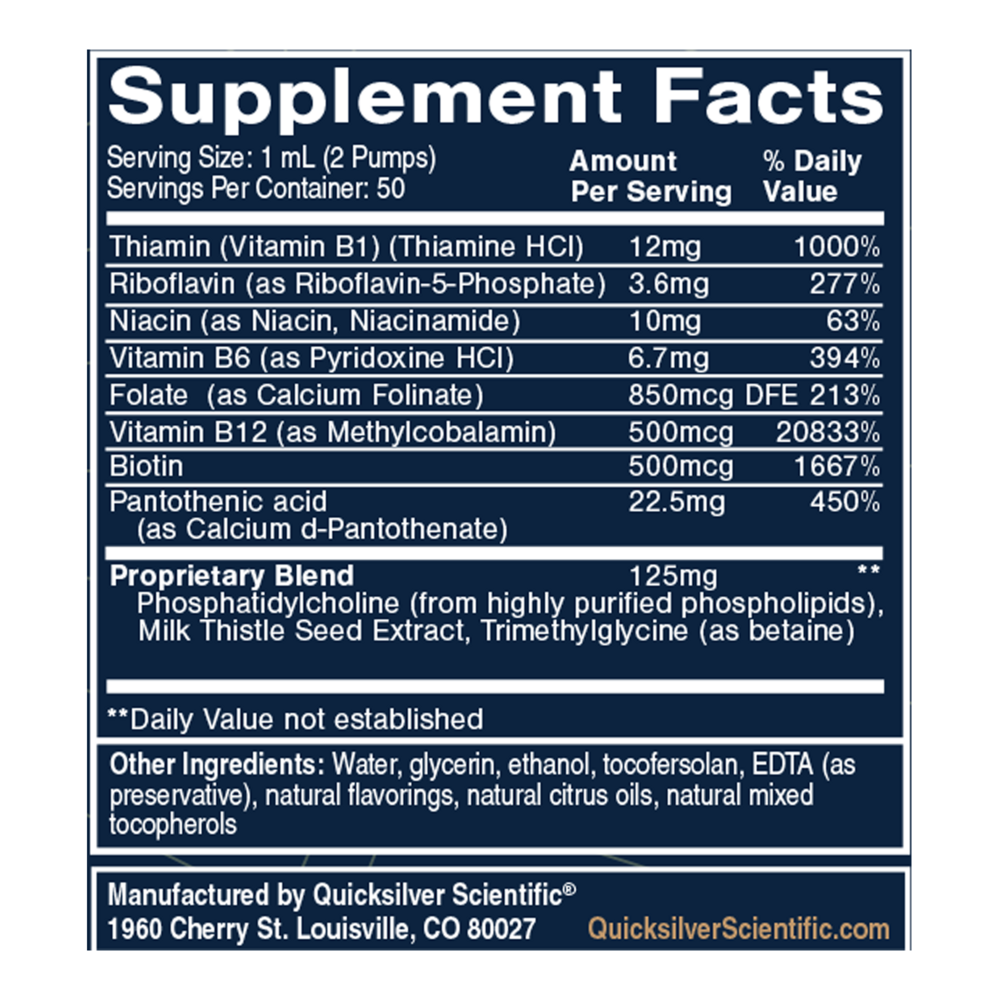

Quicksilver Scientific
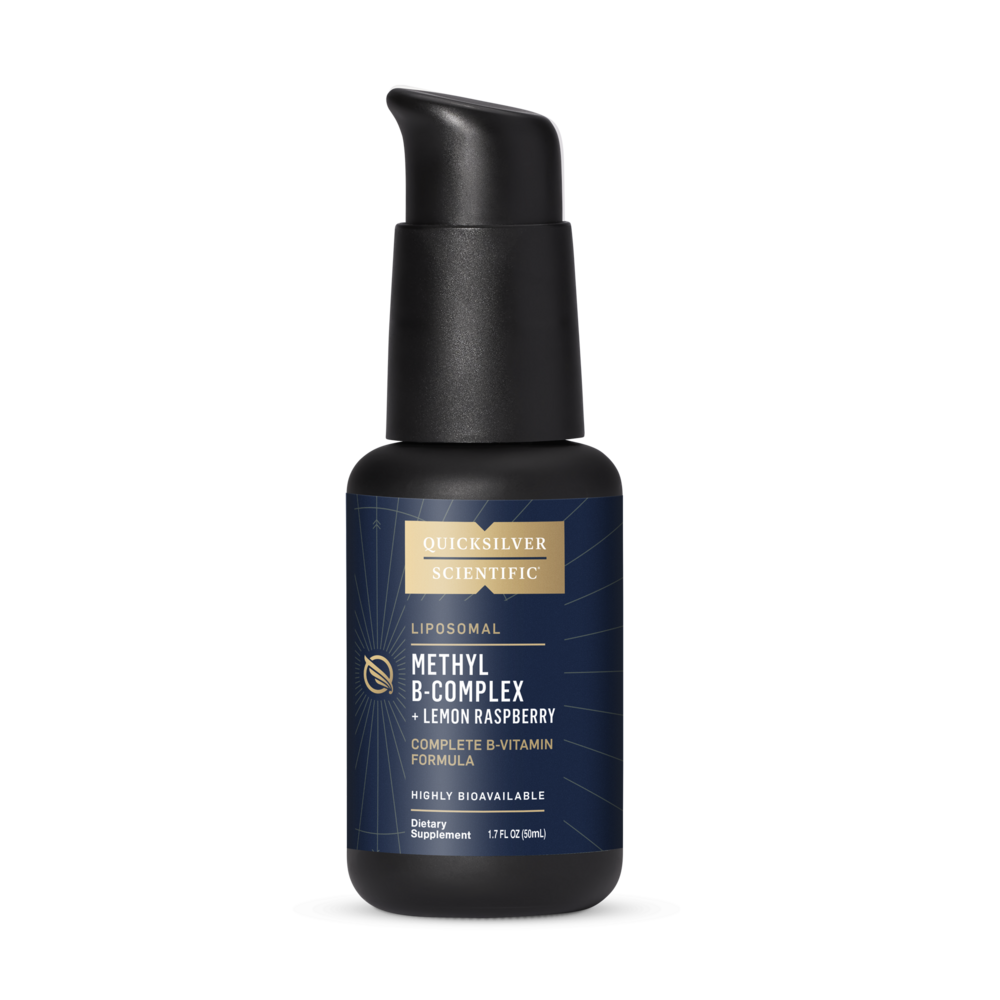
Liposomal Methyl B-Complex + Lemon Raspberry by Quicksilver Scientific
50 milliliters
Enhanced Bioavailability of B Vitamins for Energy and Metabolism Support$50.99
This item is currently out of stockGet notified when this item is back in stock
Practitioner-grade brand3rd-party testedFree shipping $50+
Quicksilver Scientific Liposomal Methyl B-Complex + Lemon Raspberry overview
If your energy flags despite decent sleep, a methyl B complex can help when labs hint at B vitamin gaps. The most relevant markers are Vitamin B12, Folate, Methylmalonic Acid (a functional B12 indicator), Homocysteine (an amino acid that rises when methylation is sluggish), and a CBC looking at MCV (red cell size). Vegans, long‑term metformin or acid‑suppressor users, and heavy drinkers commonly run low. If your homocysteine is high or your B12 is in the lower part of the normal range, a methylated blend is usually a better pick than folic acid alone.
This formula delivers B vitamins in a liposomal liquid, tiny phospholipid spheres that improve absorption and are easy on the gut. It uses methylfolate and methylcobalamin, the active forms that recycle homocysteine back to methionine, a step central to methylation (adding a small chemical tag that tunes gene expression and neurotransmitter balance). Thiamine and riboflavin drive carbohydrate breakdown for ATP, niacinamide feeds NAD for cellular energy, and B6 helps make serotonin and dopamine. People who respond often notice steadier energy and clearer focus within 1 to 3 weeks, with homocysteine shifts typically visible in 4 to 8 weeks.
Take 1 teaspoon daily as directed, preferably in the morning since B vitamins can feel energizing. Many tolerate liposomal liquids best held in the mouth for 30 seconds before swallowing, then follow with water. If you are sensitive to methyl donors, start with half a teaspoon for a few days and increase. Pairing with food can help if you feel queasy. Recheck Vitamin B12, Folate, and Homocysteine after 6 to 8 weeks to calibrate your dose.
Biotin can distort some lab tests, notably thyroid panels and troponin; stop 24 to 72 hours before bloodwork unless your clinician advises otherwise. Folate can interact with methotrexate used for autoimmune disease, so coordinate dosing with your prescriber. High-dose B6 over time has been linked to nerve symptoms; do not exceed labeled use. Levodopa without carbidopa can be affected by B6. For pregnancy or planning, use a prenatal with defined folate and B12 amounts. If you have a history of B12 deficiency anemia, confirm repletion with Vitamin B12 and Methylmalonic Acid rather than relying on symptoms.
Frequently asked questions
What does methyl B complex do for energy?
It provides active B vitamins that act as coenzymes in energy pathways, helping convert food into ATP. Many people feel steadier energy in 1–3 weeks, with clearer lab changes, like lower homocysteine, in 4–8 weeks.
Is liposomal B complex better absorbed?
Liposomal delivery can improve absorption and is often gentler on the stomach. It is useful if pills upset your gut or if you want faster uptake, though standard forms also work when dosed consistently.
Can methyl B complex cause anxiety or jitteriness?
Occasionally, especially in people sensitive to methyl donors. If that happens, take it with food, reduce to half a dose, or switch to every other day. If symptoms persist, stop and discuss alternatives with your clinician.
Will biotin in B complex mess up my lab tests?
Yes, biotin can interfere with some immunoassays, especially thyroid tests and troponin. Pause for 24–72 hours before labs, or ask the lab if their assay is biotin-resistant.
Does methyl B complex lower homocysteine?
Often, yes. Methylfolate and methylcobalamin recycle homocysteine to methionine. If your level is elevated, reductions are commonly seen within 4–8 weeks, confirmed by a repeat Homocysteine test.
Can I take methyl B complex with metformin or PPIs?
You can, and it is often helpful because these drugs are linked to lower B12 status. Monitor Vitamin B12 and Methylmalonic Acid to ensure you are replete.
What time of day should I take a B complex?
Morning is best since it can be energizing. If you experience nausea, take it with breakfast. Avoid late evening dosing if it disrupts sleep.
Is methyl B complex safe in pregnancy?
Use a prenatal with defined doses instead. While methylfolate and B12 are important, pregnancy needs are specific, so choose a prenatal and confirm with your obstetric clinician.
How to take it & ingredients
Suggested use: Adults take 1 teaspoon (5 ml) daily, or as directed by your healthcare professional.
Certifications
Benefits
Warnings