 Instalab
Quicksilver Scientific
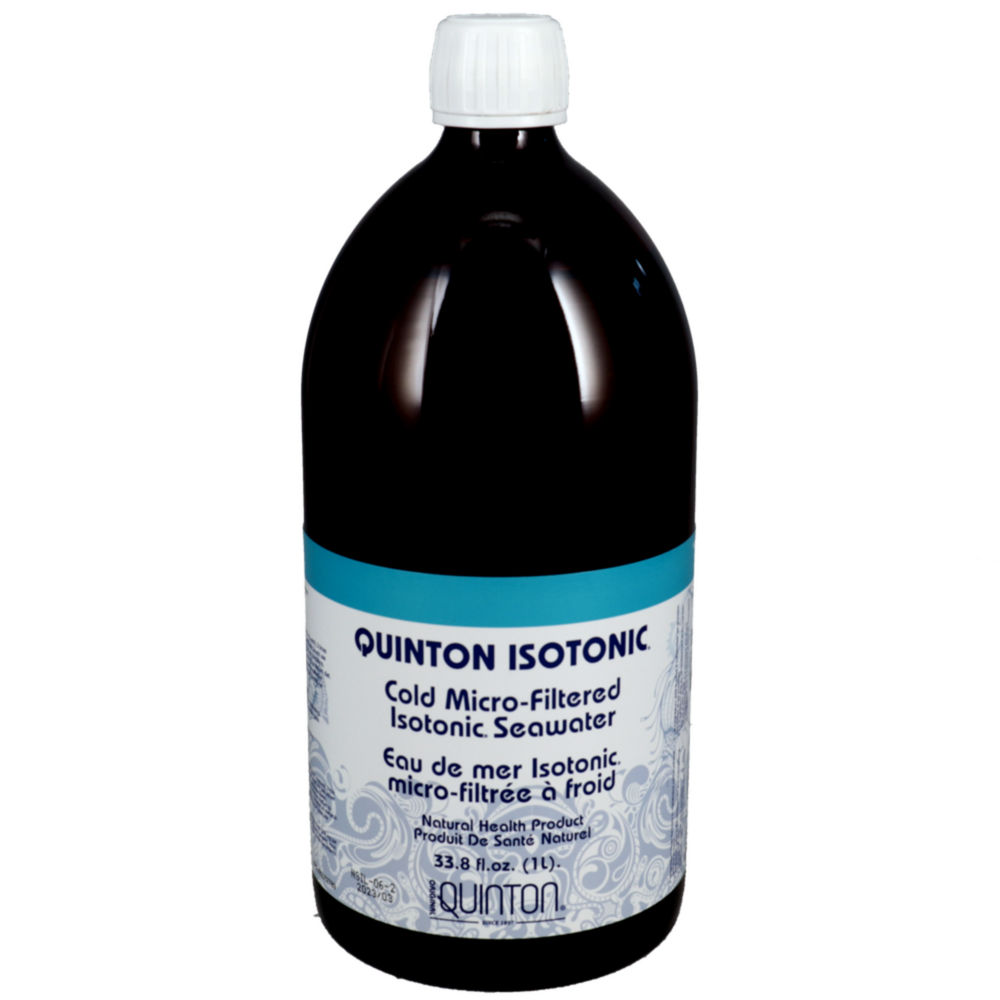
Original Quinton Isotonic® Liter by Quicksilver Scientific
1000 milliliters
Natural Marine Plasma for Hydration and Mineral Balance$107.99
This item is currently out of stockGet notified when this item is back in stock
Practitioner-grade brand3rd-party testedFree shipping $50+
Quicksilver Scientific Original Quinton Isotonic® Liter overview
If plain water leaves you feeling flat, a vial of trace minerals can make hydration stick. This is a fit for travelers, heat exposure days, endurance workouts shorter than two hours, and morning use when you don’t want sugar or caffeine. It’s also useful if your Basic Metabolic Panel electrolytes run low-normal, or you avoid salty foods. If you’re trying to fix a true deficiency (like low Magnesium on a lab), you’ll need targeted dosing beyond trace minerals.
Isotonic means the mineral concentration matches your blood, so fluid shifts are gentle and the gut usually tolerates it well. Seawater provides sodium, potassium, magnesium, calcium, and dozens of trace minerals in their ionic forms (charged particles your gut can absorb) without added sugars. These electrolytes help water move from your intestine into circulation and maintain nerve and muscle function. Expect hydration and light electrolyte repletion; amounts are too small to correct established deficiencies.
Use 1–2 vials daily on an empty stomach as directed, or mix into a glass of water if you prefer a milder taste. Good times: first thing in the morning, 30–60 minutes before training, or after travel. For heavy sweat losses or long sessions, pair with a higher-sodium electrolyte drink. Recheck relevant labs over time if you’re monitoring status: Sodium, Potassium, Magnesium, and a Urinalysis with specific gravity.
Skip or get clinician guidance if you have heart failure, advanced kidney disease, uncontrolled high blood pressure, or you’ve been told to restrict sodium. Use caution with diuretics (water pills) or lithium, since changing sodium intake can alter drug levels. Pregnancy and breastfeeding are generally fine with moderate electrolyte intake, but review the plan with your obstetric clinician if you’re using it daily.
Frequently asked questions
Is Quinton Isotonic just electrolytes?
It’s an isotonic seawater solution with electrolytes plus trace minerals. Think of it as a gentle, sugar-free electrolyte option. It hydrates and replaces small losses, but it’s not a high-sodium sports drink for heavy sweating.
How quickly will I feel hydrated after taking it?
Most people notice better thirst satisfaction within 15–45 minutes. If you’re significantly dehydrated from heat or illness, you’ll likely need additional fluids and higher-sodium electrolytes, not just trace minerals.
Can this replace a magnesium supplement?
No. It contains magnesium, but in small amounts. If your Serum Magnesium is low or you have symptoms suggesting low magnesium, use a dedicated magnesium supplement and confirm the plan with your clinician.
Should I take it with food or on an empty stomach?
Empty stomach is fine and often preferred, but taking it with water or a light snack is also acceptable. If you’re sensitive to salty tastes, dilute a vial in a full glass of water.
Is it safe with blood pressure medications or diuretics?
Be cautious. Added sodium can affect blood pressure and interact with diuretics. If you take diuretics or have blood pressure concerns, discuss routine use and monitoring with your clinician.
Can I use it during long workouts?
For sessions under two hours, it’s reasonable. For longer or very sweaty workouts, combine it with a higher-sodium electrolyte drink and water to match sweat losses more closely.
Does it help immunity or detox?
It can help if poor hydration is the bottleneck, since adequate fluids support mucus membranes and kidney clearance. Beyond hydration and minerals, strong evidence for immune or detox claims is limited.
How to take it & ingredients
Suggested use: Adults take 1-2 vials daily, preferably on an empty stomach, or as directed by your healthcare professional.
Certifications
Benefits
Warnings