 Instalab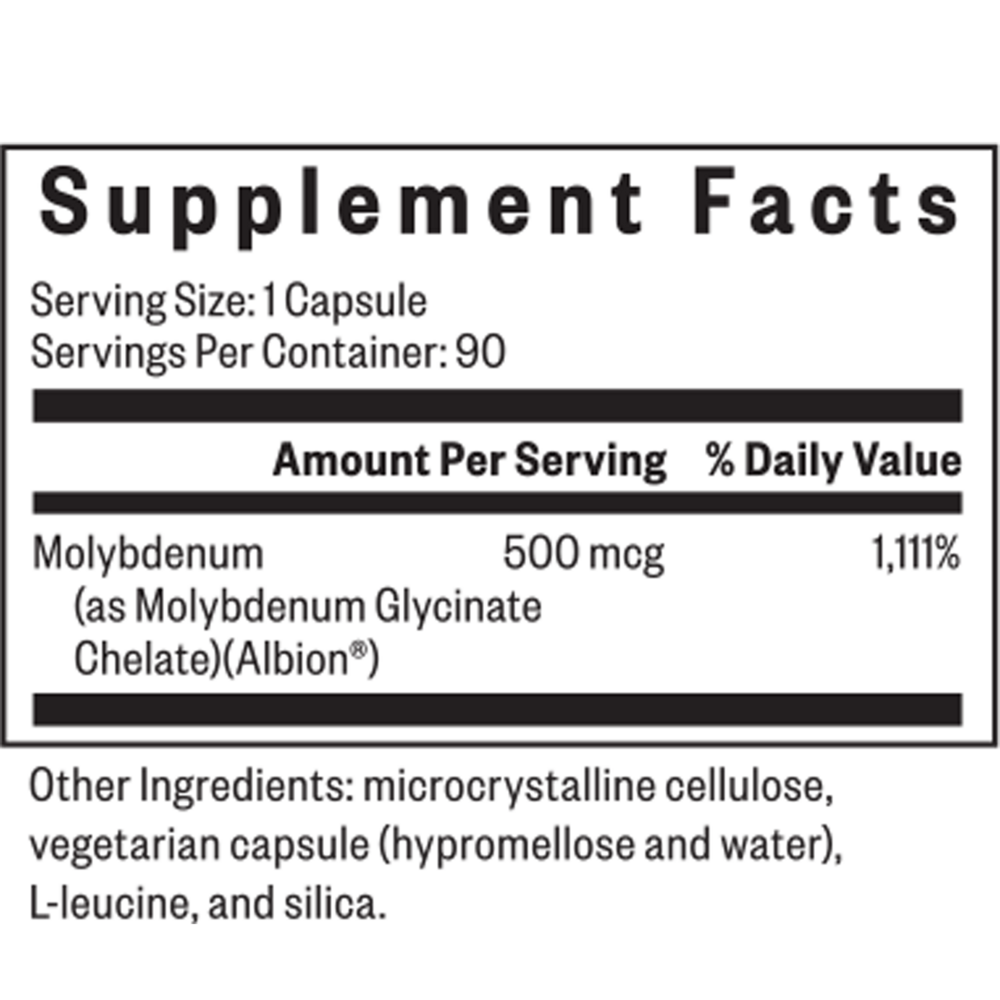

Seeking Health
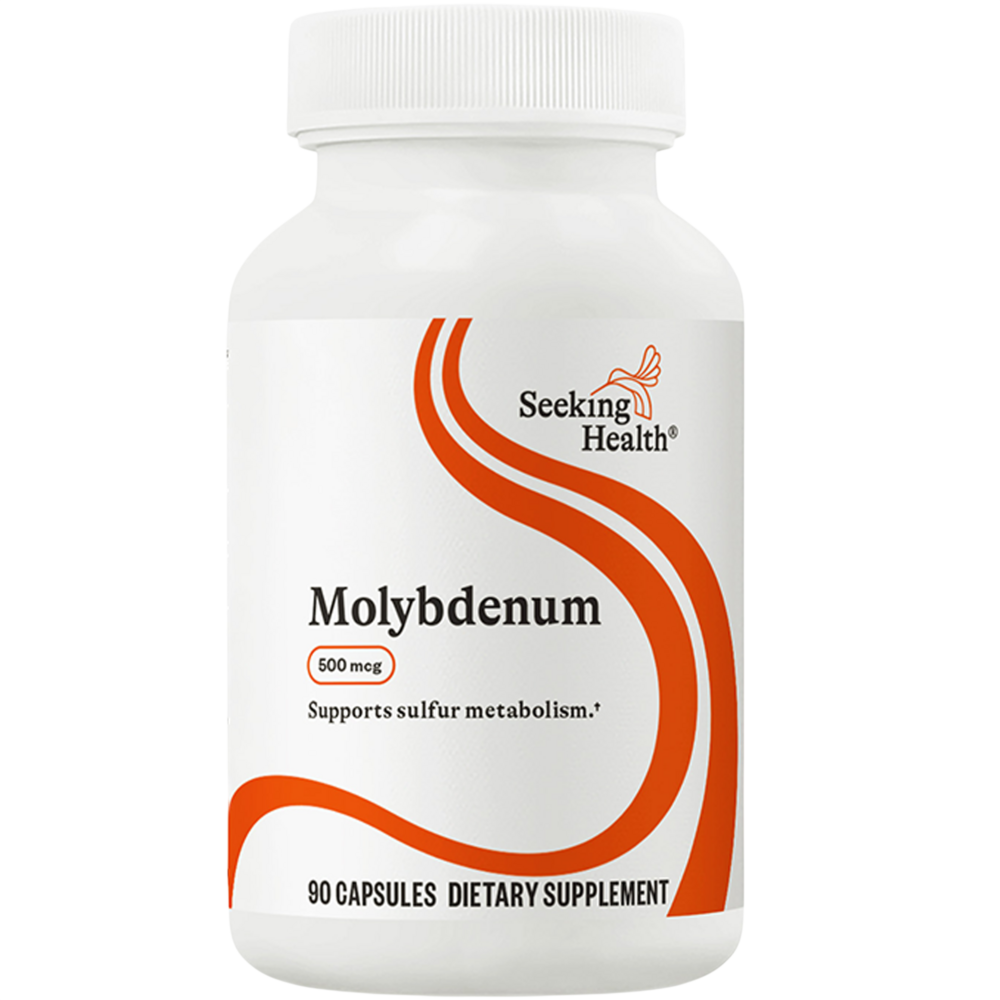
Molybdenum 500 by Seeking Health
90 capsules
Essential Trace Mineral for Enzyme Function and Detoxification$18.99
This item is currently out of stockGet notified when this item is back in stock
Practitioner-grade brand3rd-party testedFree shipping $50+
Seeking Health Molybdenum 500 overview
If wine, dried fruit, or packaged foods trigger headaches or flushing, you’re likely reacting to sulfites, and a molybdenum supplement can help. It’s also useful if you’re taking sulfur-heavy products like NAC or MSM and feel “sulfur intolerance.” Most healthy adults who eat legumes and whole grains get enough; this higher-dose capsule is for targeted use, not daily multivitamin duty. If you track labs, keep an eye on Uric Acid and Copper, Serum if using long term.
Molybdenum is the mineral cofactor that turns on sulfite oxidase, the enzyme that converts sulfite into sulfate for easy excretion. It also powers aldehyde oxidase, which helps clear acetaldehyde from alcohol and other aldehydes, and xanthine oxidase, which makes uric acid from purines. That explains both the upside for sulfite intolerance and the downside: higher doses can nudge Uric Acid upward in susceptible people. It does not meaningfully chelate heavy metals despite online claims.
Seeking Health suggests one capsule daily with food. In practice, 500 mcg is a high dose, so many patients start with one capsule every other day for 1 to 2 weeks, then adjust based on symptoms. You can time it before a known sulfite exposure, or use short courses during periods of high sulfur intake. For maintenance beyond a few weeks, consider stepping down to a lower-dose molybdenum.
If you have gout or a history of high Uric Acid, avoid high-dose molybdenum or use only with clinician guidance and lab monitoring. Long-term high intake can lower copper status; watch for low Copper, Serum or low ceruloplasmin, new anemia, or hair pigment changes. Pregnancy and breastfeeding: use only if your clinician recommends it. This is not a substitute for limiting high-sulfite foods if you are very sensitive.
Frequently asked questions
What does molybdenum do in the body?
It activates enzymes that process sulfites (sulfite oxidase), clear aldehydes like acetaldehyde (aldehyde oxidase), and generate uric acid from purines (xanthine oxidase). That’s why it can help sulfite sensitivity but may raise Uric Acid in some.
Will molybdenum help with wine sulfite reactions?
Often, yes. By supporting sulfite oxidase, molybdenum can reduce headaches or flushing from sulfites. Try a dose with food 30–60 minutes before exposure. If reactions persist, lower sulfite intake and discuss with your clinician.
Is 500 mcg of molybdenum too much to take daily?
It’s a high, targeted dose. Short courses are reasonable for sulfite intolerance, but long-term daily use isn’t ideal without a reason. For ongoing use, step down to a lower dose and monitor Uric Acid and Copper, Serum if concerned.
How long until molybdenum works for sulfite sensitivity?
Effects can be noticeable with the first few doses around exposure. For general sulfur intolerance from supplements like NAC, expect a trial of 1–2 weeks to judge benefit, then reassess dose or frequency.
Can molybdenum cause gout?
It can raise Uric Acid by enhancing xanthine oxidase activity, which may trigger gout in susceptible people. If you have gout or high Uric Acid, avoid high doses or use only with clinician guidance and periodic labs.
Does molybdenum deplete copper?
High intakes over time can lower copper status. If using for more than a few weeks, watch for signs of low copper and consider checking Copper, Serum or ceruloplasmin. Avoid combining with therapeutic copper chelators.
Can I take molybdenum with NAC or MSM?
Yes. Some people tolerate NAC or MSM better with molybdenum because it helps process sulfites formed from sulfur metabolism. Start with conservative dosing and back off if you notice joint pain or gout-like symptoms.
Should I take molybdenum with food or on an empty stomach?
Take it with food to reduce nausea. Timing can be flexible; if using for a specific sulfite exposure (like wine with dinner), take it 30–60 minutes beforehand.
How to take it & ingredients
Suggested use: Adults take one capsule daily, with food, or as directed by your healthcare professional.
Certifications
Benefits
Warnings