 Instalab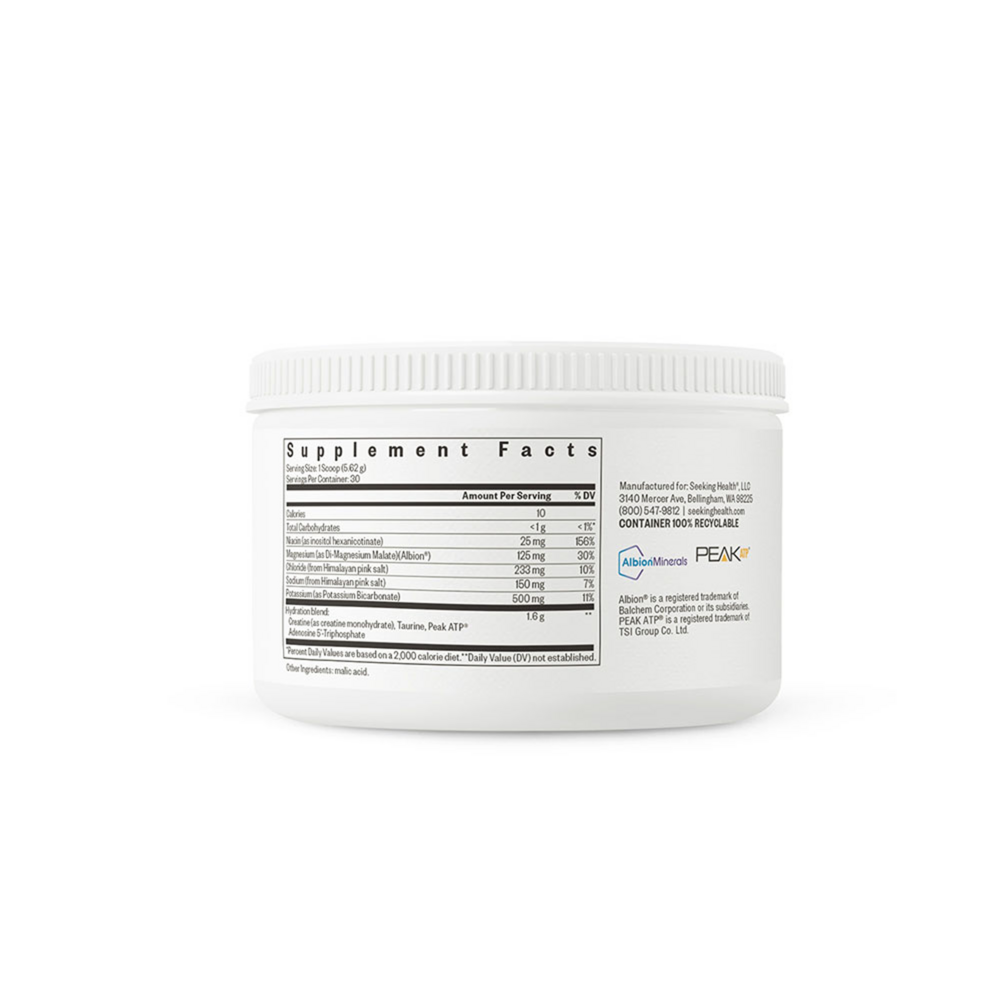

Seeking Health
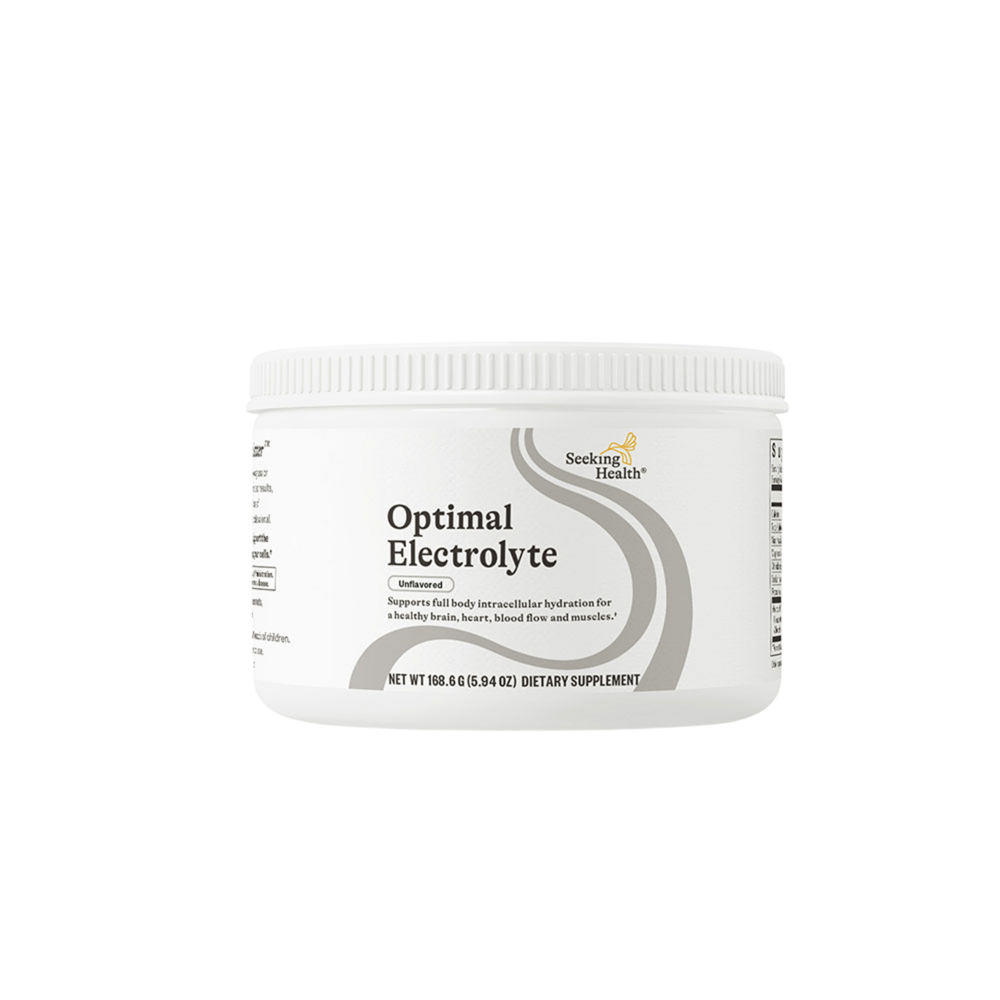
Optimal Electrolyte Unflavored by Seeking Health
168.6 grams
Essential Electrolyte Support for Optimal Hydration and Performance$XX.XX$38.99retail
This item is currently out of stockGet notified when this item is back in stock
21% below MSRP3rd-party tested for purity & potencyFree shipping $50+
Seeking Health Optimal Electrolyte Unflavored overview
Hot-weather runners, heavy sweaters, and low-carb or ketogenic eaters who lose more salt early in adaptation are the people who actually feel an electrolyte powder. If your Basic Metabolic Panel shows low-normal Sodium or low Magnesium, or your Urine Specific Gravity suggests concentrated urine, replacing salts during training helps keep pace with sweat losses. This unflavored mix is also practical for sauna users and manual labor outdoors. For endurance races or diarrhea, use a sodium–glucose oral rehydration solution instead of a zero-sugar blend.
Sodium and potassium keep fluid moving between blood and cells by maintaining osmolality (the concentration of dissolved particles that pulls water). Magnesium participates in muscle contraction and energy enzymes, so low levels can show up as cramps or early fatigue. Bicarbonate or citrate salts buffer acid from hard efforts, which can ease perceived exertion in some athletes. Without sugar, absorption is driven by sodium and water; adding a small carb source during long efforts can speed uptake.
Mix one scoop in 8–12 ounces of cold water and sip before and during exercise, then finish a serving within an hour after. Titrate to your sweat rate: clear sweat with salt crusts or weight loss >2% after workouts means you likely need more fluid and electrolytes next session. Morning use can blunt "keto flu" lightheadedness. If training over 60–90 minutes, pair with 20–40 grams of carbohydrate per hour for faster fluid absorption and steadier energy.
Avoid unsupervised use if you have chronic kidney disease, heart failure, or are on drugs that raise potassium, including ACE inhibitors, ARBs, spironolactone, eplerenone, or trimethoprim; extra potassium can lead to dangerous heart rhythms. If you take lithium, extra sodium can alter your levels. Separate magnesium-containing drinks by 2 hours from levothyroxine, tetracyclines, or fluoroquinolone antibiotics to prevent binding. If your blood pressure runs high on a low-sodium plan, choose lower-sodium formulas and review your plan with your clinician.
Frequently asked questions
Is electrolyte powder better than water for hydration?
For sweaty exercise or heat, yes. Sodium and potassium help you retain the water you drink and replace what’s lost in sweat. For short, easy sessions in cool weather, water is fine. For dehydration from diarrhea, use an oral rehydration solution with sodium and glucose.
How long does it take to feel electrolytes working?
Within minutes. Most people notice less lightheadedness and better thirst satisfaction during the current workout. If cramps are from low magnesium, consistent use over 1–2 weeks is more relevant than a single serving.
Will electrolyte powder break a fast?
Unflavored, zero-sugar electrolyte powders are typically very low calorie and won’t meaningfully affect fasting blood sugar or insulin. Check your label; if there’s no sugar or amino acids, it generally fits water-only fasting rules for most people.
Can electrolytes raise blood pressure?
High-sodium drinks can raise blood pressure in salt-sensitive people. If you’re on a low-sodium plan, choose a lower-sodium blend and prioritize potassium and magnesium. Monitor home blood pressures when changing any electrolyte routine.
Are electrolytes safe on keto or low carb?
They’re often essential. Low-carb diets increase sodium and water loss, which can cause headaches and fatigue. Use a sodium-containing electrolyte, especially during the first few weeks, and adjust by symptoms and training intensity.
Can I take electrolytes with creatine or protein?
Yes. Electrolytes pair well with creatine and protein around workouts. If you want faster fluid uptake during long sessions, add a modest carbohydrate source alongside your electrolyte drink.
Do electrolytes stop muscle cramps at night?
Sometimes. If cramps are from low magnesium or sodium loss, electrolytes can help. Night cramps also relate to overuse, nerve irritation, or medications. Check Magnesium and review meds like diuretics with your clinician.
How much electrolyte powder should I use per day?
Start with one scoop around training and adjust to sweat rate, climate, and urine color (pale straw is the target). Very heavy sweaters or multi-hour sessions may need additional servings spaced through the day.
How to take it & ingredients
Suggested use: Mix one scoop (approximately 5 grams) with 8-12 ounces of water or your favorite beverage, and consume as needed, especially during exercise or physical activity.
Certifications
Benefits
Warnings