 Instalab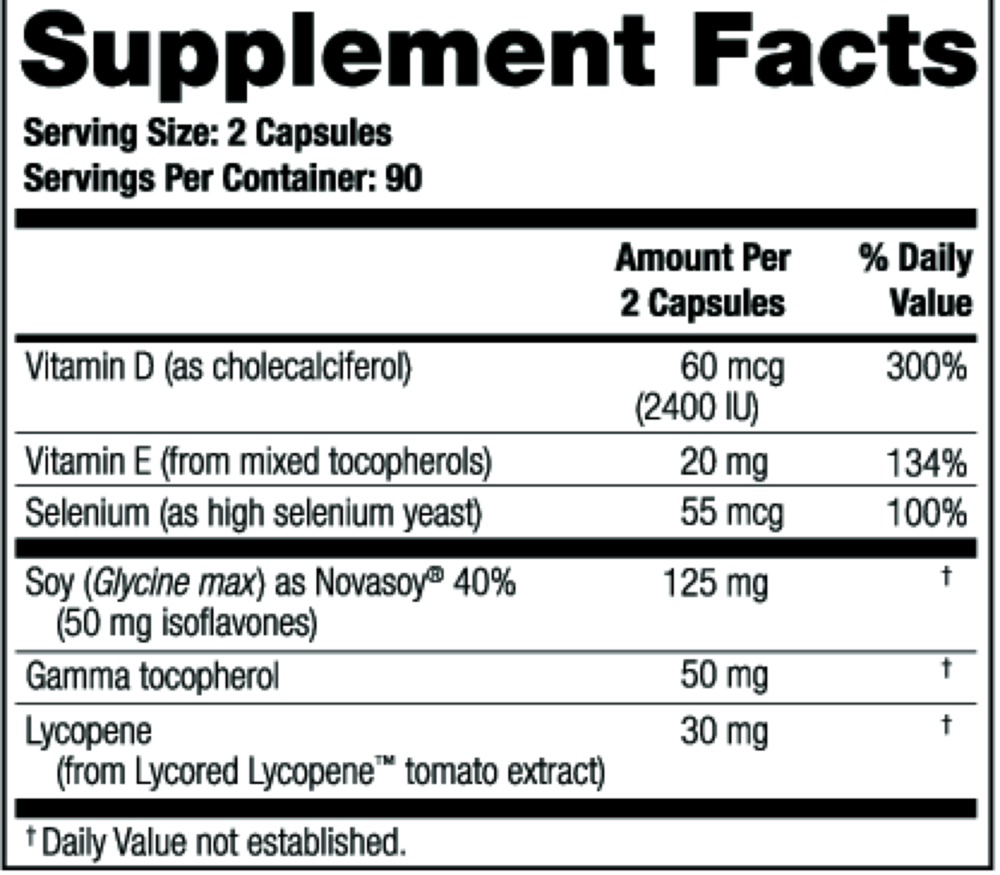
Theralogix
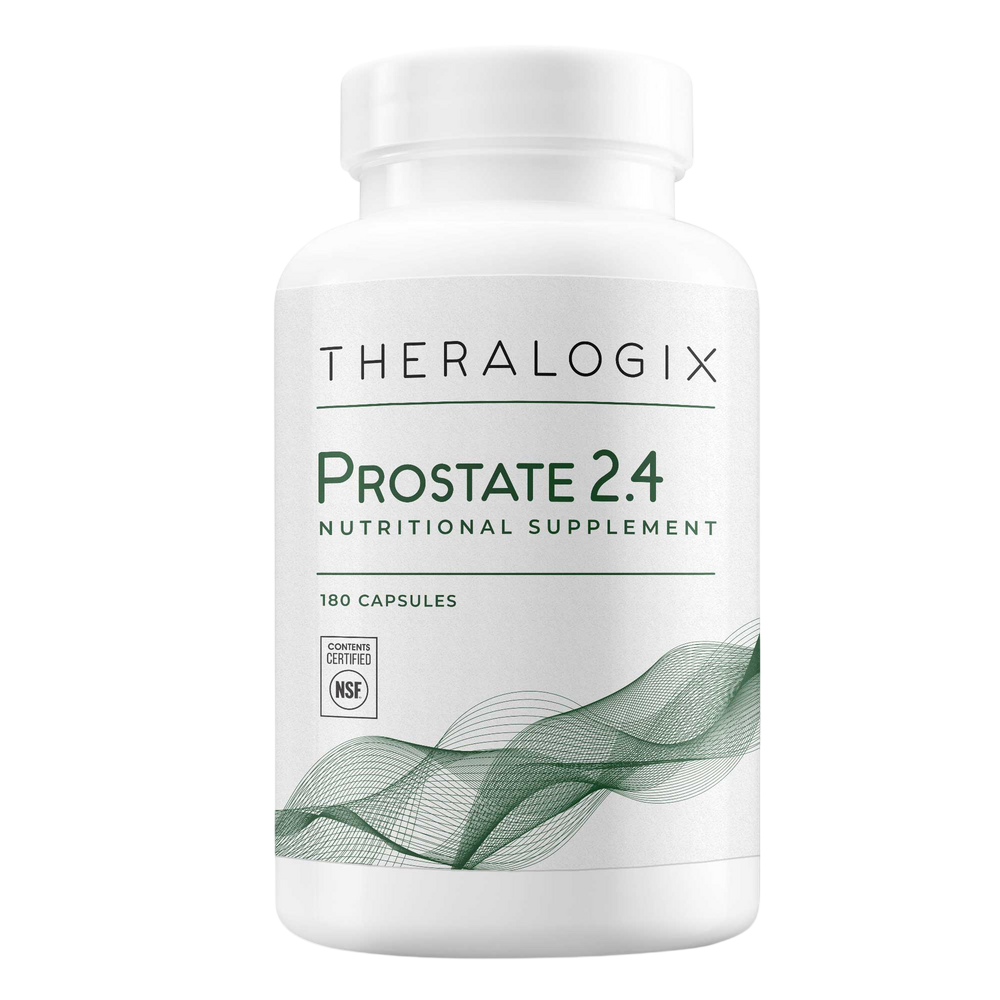
Prostate 2.4 by Theralogix
180 capsules · 90-day supply
Comprehensive Support for Prostate Health and Men's Well-Being$122.99
Purchase options
Practitioner-grade brand3rd-party testedFree shipping $50+
Vegetarian·Gluten Free
Theralogix Prostate 2.4 overview
Men in their 40s and up who eat little tomato or soy, track PSA (prostate-specific antigen, the lab marker your clinician follows for prostate changes), or have a low Vitamin D, 25-Hydroxy often get the most from a lycopene-forward prostate supplement. It also fits darker‑skinned adults at northern latitudes who tend to run low on vitamin D, and men who want mixed vitamin E with higher gamma-tocopherol rather than high-dose alpha-tocopherol.
Lycopene concentrates in prostate tissue and quenches oxidative stress (damage from reactive oxygen), which is one way it can slow PSA creep in some men over 8 to 12 weeks. Soy isoflavones act as mild hormone modulators, modestly dialing down the 5‑alpha‑reductase pathway (the enzyme that makes more DHT, a potent androgen) and influencing estrogen receptors, which may ease lower urinary tract symptoms in some. Gamma‑tocopherol (a vitamin E form) traps reactive nitrogen species, complementing lycopene, while vitamin D3 helps regulate cell growth and local inflammation.
Take two capsules daily with food, ideally a meal that contains fat so lycopene and vitamin E absorb well. You can take both together or split morning and evening. Expect any PSA or urinary symptom changes to show up after consistent use for 8 to 12 weeks. Track PSA, consider free PSA, and recheck Vitamin D, 25-Hydroxy after three months to confirm you’re in a healthy range for you.
Skip if you have a soy allergy. If you take blood thinners such as warfarin, apixaban, rivaroxaban, or clopidogrel, discuss vitamin E content with your clinician and stop 1 to 2 weeks before procedures to reduce bleeding risk. Men under active cancer care should coordinate all supplements with their oncology team. If you have thyroid disease and low iodine intake, soy can interfere with thyroid hormone—use only if your thyroid status is stable.
Frequently asked questions
How long does lycopene for prostate health take to work?
Most responders see changes in PSA trends or urinary comfort within 8 to 12 weeks of daily use. Take it consistently with food, then reassess labs and symptoms with your clinician.
Does vitamin E increase prostate cancer risk?
High-dose alpha-tocopherol alone was linked to higher risk in one large trial. This formula uses mixed tocopherols with substantial gamma-tocopherol, not a high alpha-only dose.
Is soy safe for men and testosterone?
At typical supplemental doses, soy isoflavones do not lower testosterone meaningfully in men. They act as mild hormone modulators and are generally well tolerated.
Can I take this with finasteride or tamsulosin?
Yes, there’s no known direct conflict. This is nutritional support, not a replacement for those medicines. Keep your urology plan unchanged unless your clinician advises.
Does lycopene lower PSA?
It can slow PSA rise in some men, especially when dietary lycopene is low. Effects are modest and variable, so monitor PSA and free PSA over time rather than expecting a sharp drop.
Should I take it with food or on an empty stomach?
With food. Fat in the meal improves absorption of lycopene and vitamin E. Taking it with your largest meal is a simple way to remember and maximize uptake.
What labs should I track while using a prostate supplement?
PSA and, when relevant, free PSA to understand trends. Also recheck Vitamin D, 25-Hydroxy after about 3 months. hs-CRP (an inflammation marker) can add context in some cases.
Is this safe before a biopsy or surgery?
Stop 1 to 2 weeks beforehand due to vitamin E’s mild bleeding risk. Confirm timing with your surgeon or procedural team.
How to take it & ingredients
Suggested use: Take two capsules per day, with food. Capsules may be taken together or at different times during the day. Do not use if seal has been broken.
Active ingredients
2 capsules per serving · 90 servings
Vitamin D
As Cholecalciferol
As Cholecalciferol
60 mcg
Vitamin E
From Mixed Tocopherols
From Mixed Tocopherols
20 mg
Soy
Glycine max, as Novasoy® 40% (50 mg isoflavones)
Glycine max, as Novasoy® 40% (50 mg isoflavones)
125 mg
Gamma Tocopherol
50 mg
Lycopene
From Lycored Lycopene™ tomato extract
From Lycored Lycopene™ tomato extract
30 mg
Other ingredients: Vegetable Capsule (Hypromellose), Rice Flour, Magnesium Stearate, Silicon Dioxide
Certifications
Benefits
Warnings
Customers also considered
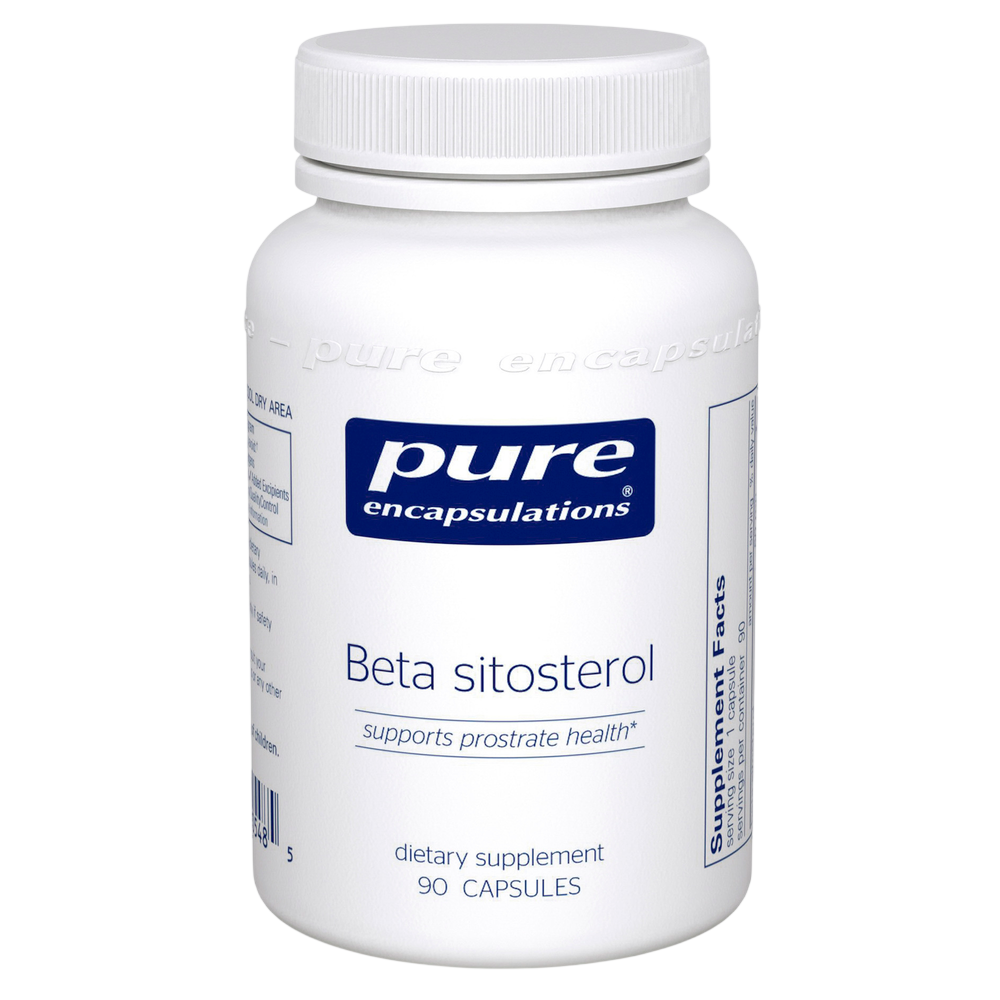
Beta-Sitosterol
Pure Encapsulations
90 capsules
$21.50$16.99 with Subscribe & Save
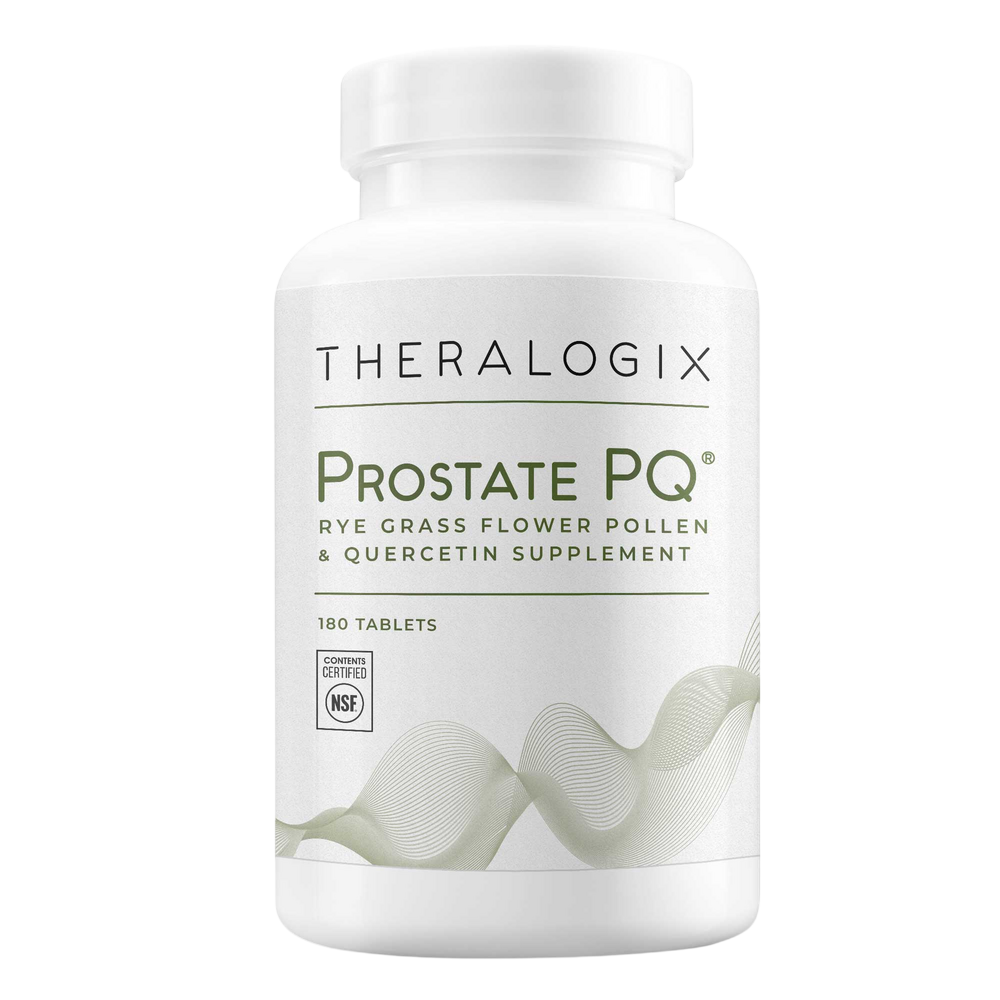
Prostate PQ Rye Grass Flower Pollen & Quercetin Supplement
Theralogix
180 tablets
$130.99$104.99 with Subscribe & Save
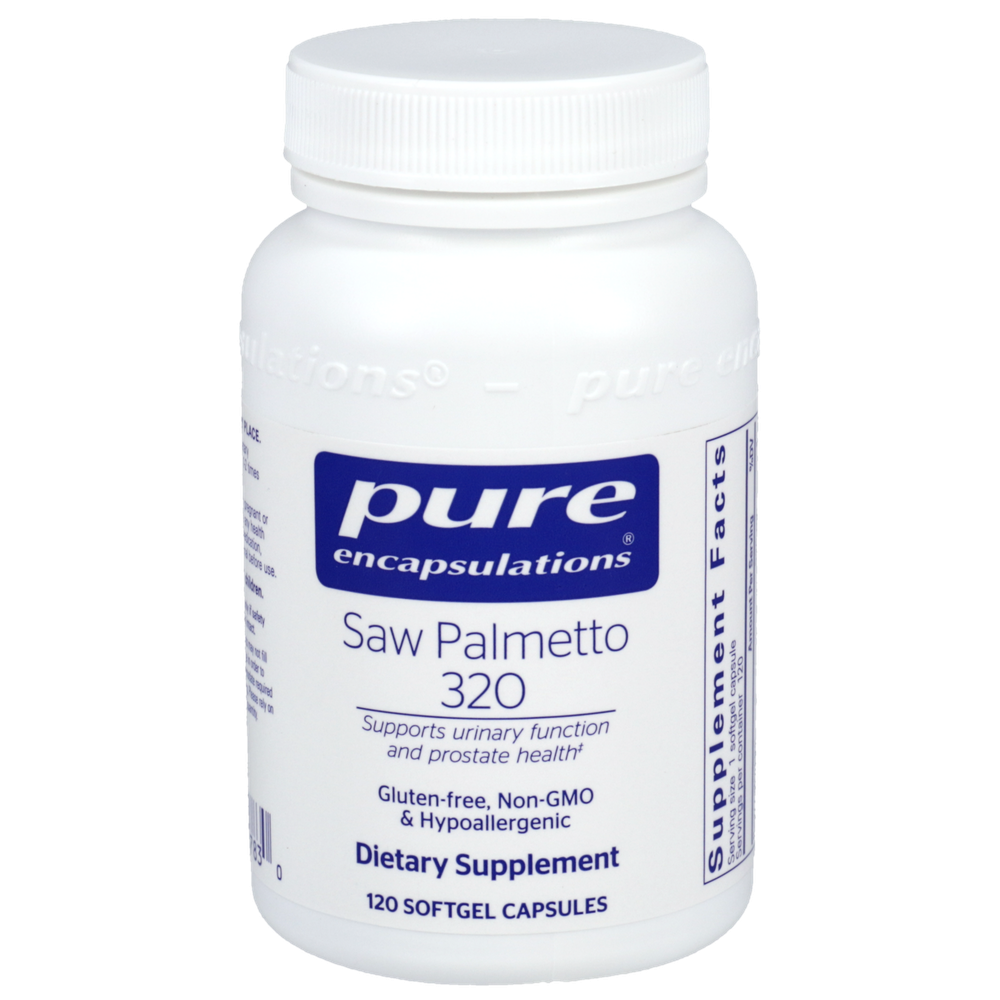
Saw Palmetto 320
Pure Encapsulations
120 softgels
$89.50$71.99 with Subscribe & Save
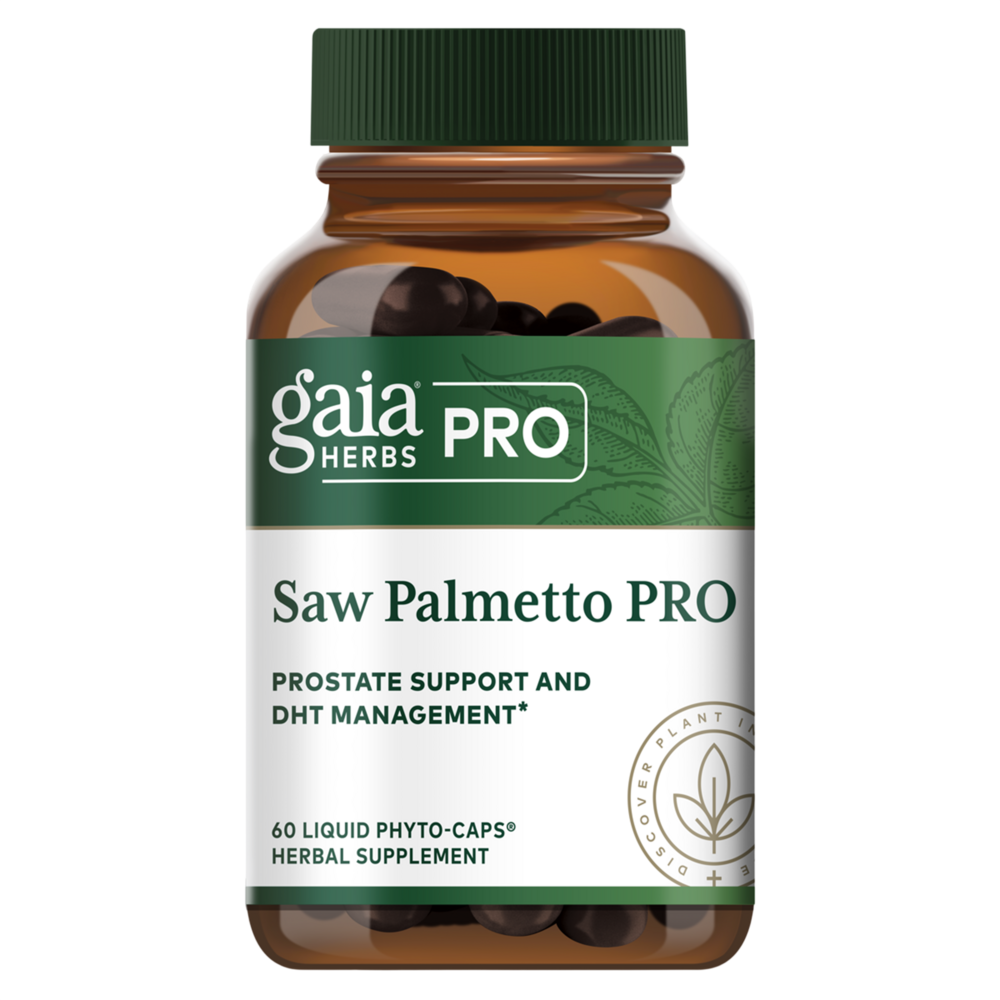
Saw Palmetto PRO
Gaia Herbs Pro
60 capsules
$40.99$32.99 with Subscribe & Save