 Instalab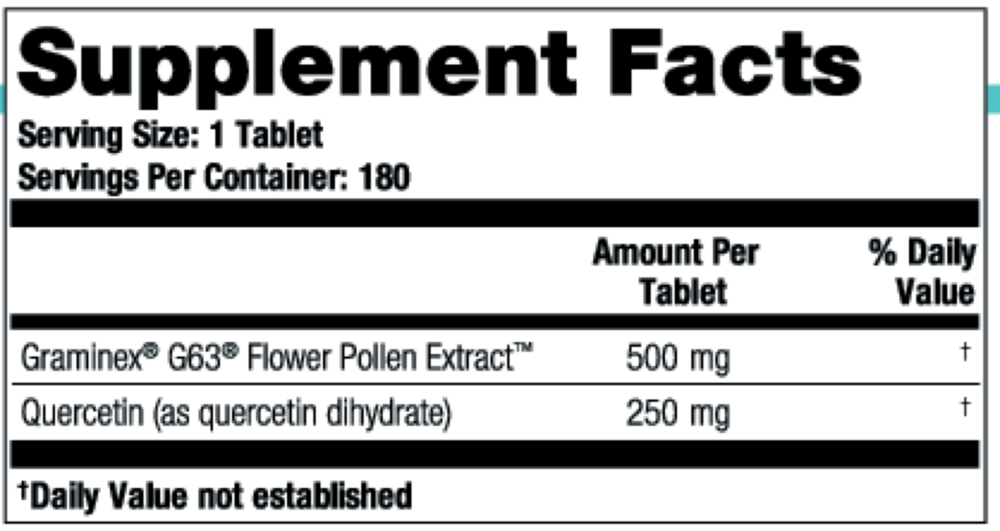
Theralogix
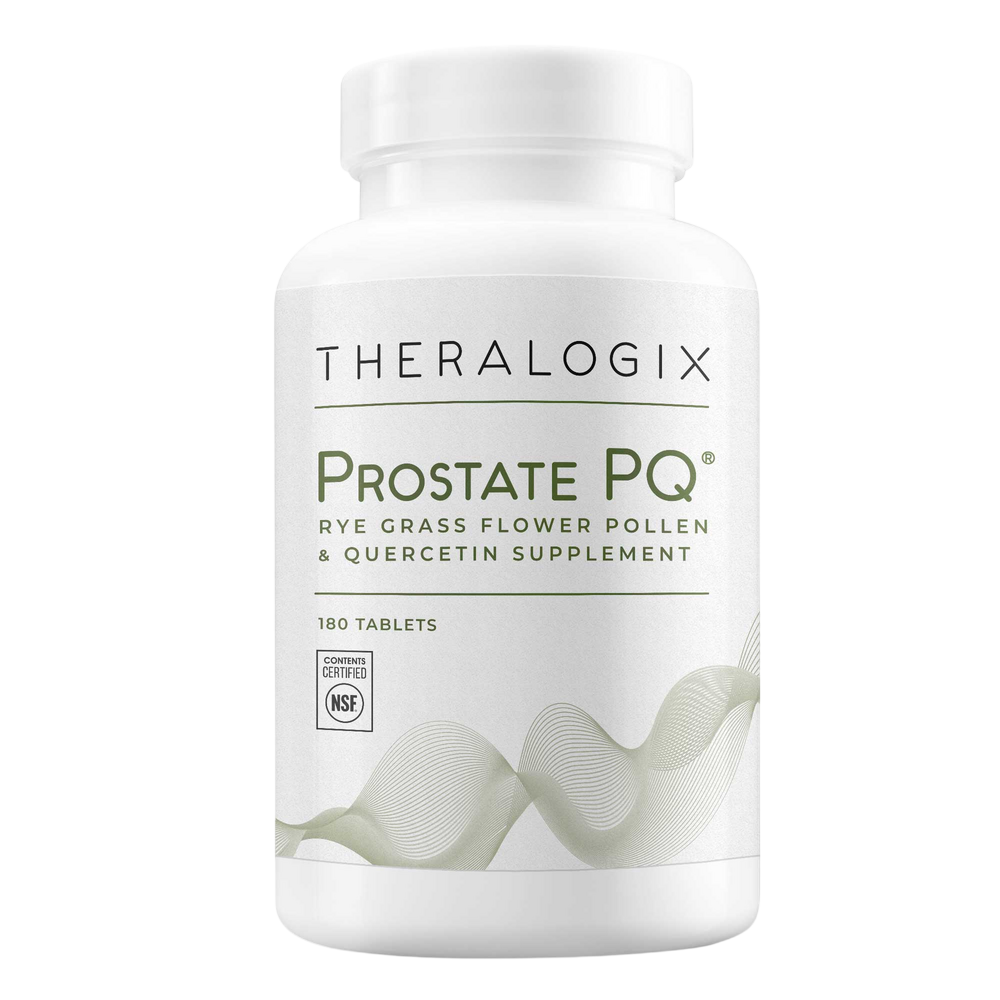
Prostate PQ Rye Grass Flower Pollen & Quercetin Supplement by Theralogix
180 tablets · 180-day supply
Comprehensive Support for Prostate Health with Natural Ingredients$130.99
Purchase options
Practitioner-grade brand3rd-party testedFree shipping $50+
Vegan·Vegetarian·Gluten Free
Theralogix Prostate PQ Rye Grass Flower Pollen & Quercetin Supplement overview
Men with chronic prostatitis or chronic pelvic pain who Google “quercetin for prostatitis” are the right fit here. This combo is best when urine cultures are negative yet pelvic, perineal, or ejaculatory pain persists, often with urinary urgency or weak flow. If your PSA (prostate-specific antigen, a protein measured for prostate evaluation) is stable and imaging is unremarkable, symptom-focused options like rye grass flower pollen extract plus quercetin are reasonable. Expect a trial of 4 to 8 weeks before judging benefit, and keep your urologist in the loop.
Rye grass flower pollen extract has anti-inflammatory effects and relaxes smooth muscle in the bladder outlet, which can ease urinary hesitancy and pelvic pressure. It inhibits cyclooxygenase (the enzyme that makes prostaglandins, your body’s local inflammation signals) and 5‑lipoxygenase (which makes leukotrienes, another inflammatory signal). Quercetin adds antioxidant activity and calms mast cells, and it dampens NF-κB (a switch that turns on inflammation genes). Together, they have reduced NIH-CPSI scores (a standard prostatitis symptom index) in clinical studies.
Take one tablet twice daily with food to improve absorption and reduce stomach upset. This delivers 500 mg Graminex G63 pollen extract and 250 mg quercetin per dose. Most trials ran 4 to 12 weeks; reassess symptoms around week 8. Some prostatitis studies used higher quercetin totals, so if you only partially improve, discuss dose adjustments or add-ons like pelvic floor therapy with your clinician.
Skip this if you have severe pollen allergies, a current urinary tract infection, fever, or new blood in urine; those need medical treatment first. Quercetin can have mild antiplatelet effects, so use caution with warfarin, clopidogrel, or high-dose fish oil. It may affect drug handling by CYP3A4 and P‑glycoprotein (liver and gut transport systems), so check interactions if you take multiple prescriptions. Kidney disease and pregnancy require clinician oversight.
Frequently asked questions
Does quercetin really help prostatitis?
Yes for many men with chronic prostatitis/chronic pelvic pain. Randomized trials show quercetin can lower NIH-CPSI symptom scores within 4 to 8 weeks, especially when infection has been ruled out. It is not a treatment for acute bacterial prostatitis.
How long until rye grass pollen extract works?
Most responders notice changes in pelvic pain, urinary frequency, or flow within 4 to 8 weeks. Some studies continued to 12 weeks. If there is zero change by 8 to 12 weeks, revisit the plan with your urologist.
Can I take this with tamsulosin or finasteride?
Often yes. Pollen extract and quercetin are used alongside alpha-blockers like tamsulosin and 5‑alpha‑reductase inhibitors like finasteride. If you feel dizzy or overly relaxed in urination, discuss dose timing with your prescriber.
Does quercetin lower PSA levels?
It is not a PSA-lowering therapy. Some men feel better symptomatically without a meaningful PSA change. Keep routine PSA testing on schedule and discuss any rise with your clinician.
Are there side effects with quercetin and pollen extract?
Most tolerate it well. Possible effects include stomach upset, headache, or mild nausea, usually reduced by taking with food. Avoid if you have severe pollen allergy, and stop if you develop rash, wheezing, or swelling.
Is it safe with blood thinners or aspirin?
Use caution. Quercetin has mild antiplatelet activity and could add to bleeding risk with warfarin, clopidogrel, aspirin, or high-dose fish oil. Get your prescriber’s approval and monitor for easy bruising or nosebleeds.
Should I take it with food or on an empty stomach?
Take with food. Both quercetin and pollen extract are better tolerated and likely better absorbed with a meal. Split morning and evening dosing to keep levels steady.
How does this compare to saw palmetto?
Saw palmetto targets prostate enlargement symptoms, with mixed evidence. Pollen extract plus quercetin is studied more for chronic pelvic pain and urinary discomfort. Some men use them together under clinician guidance.
How to take it & ingredients
Suggested use: Take one tablet, twice a day, with food, or as recommended by your healthcare provider. Do not exceed recommended dosage. Do not use if seal has been broken.
Active ingredients
1 tablet per serving · 180 servings
Graminex® G63® Flower Pollen Extract
500 mg
Quercetin
As quercetin dihydrate
As quercetin dihydrate
250 mg
Other ingredients: Microcrystalline cellulose, Croscarmellose sodium, Vegetable stearic acid, Vegetable magnesium stearate, Silicon dioxide, White film coating (hypromellose, polydextrose, calcium carbonate, medium chain triglycerides)
Certifications
Benefits
Warnings
Customers also considered
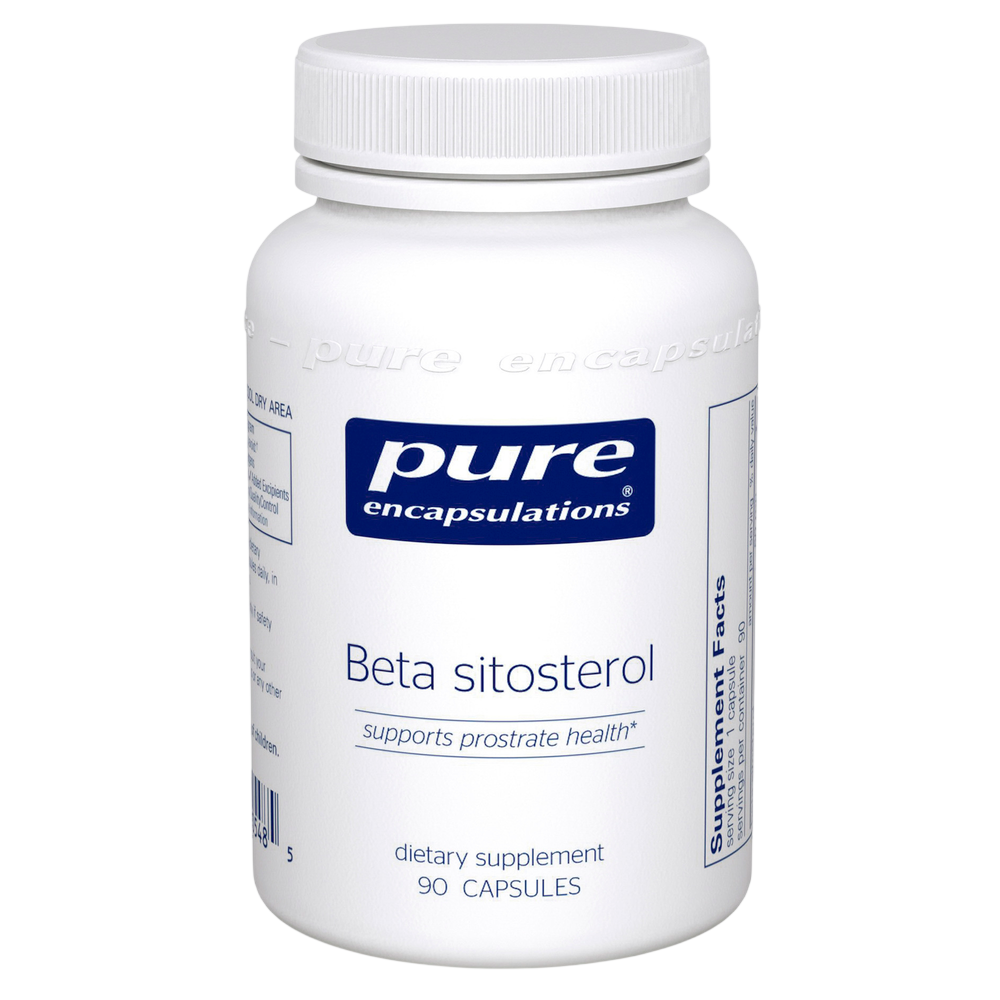
Beta-Sitosterol
Pure Encapsulations
90 capsules
$21.50$16.99 with Subscribe & Save
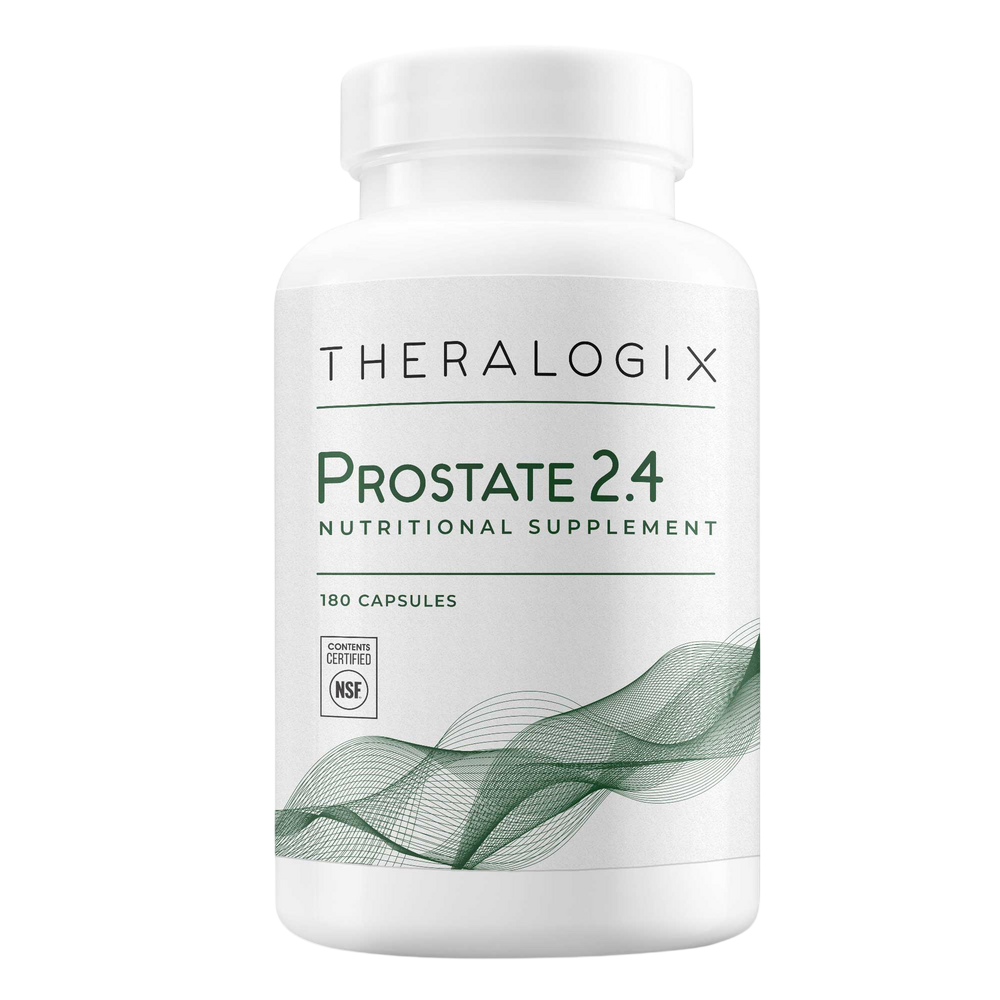
Prostate 2.4
Theralogix
180 capsules
$122.99$97.99 with Subscribe & Save
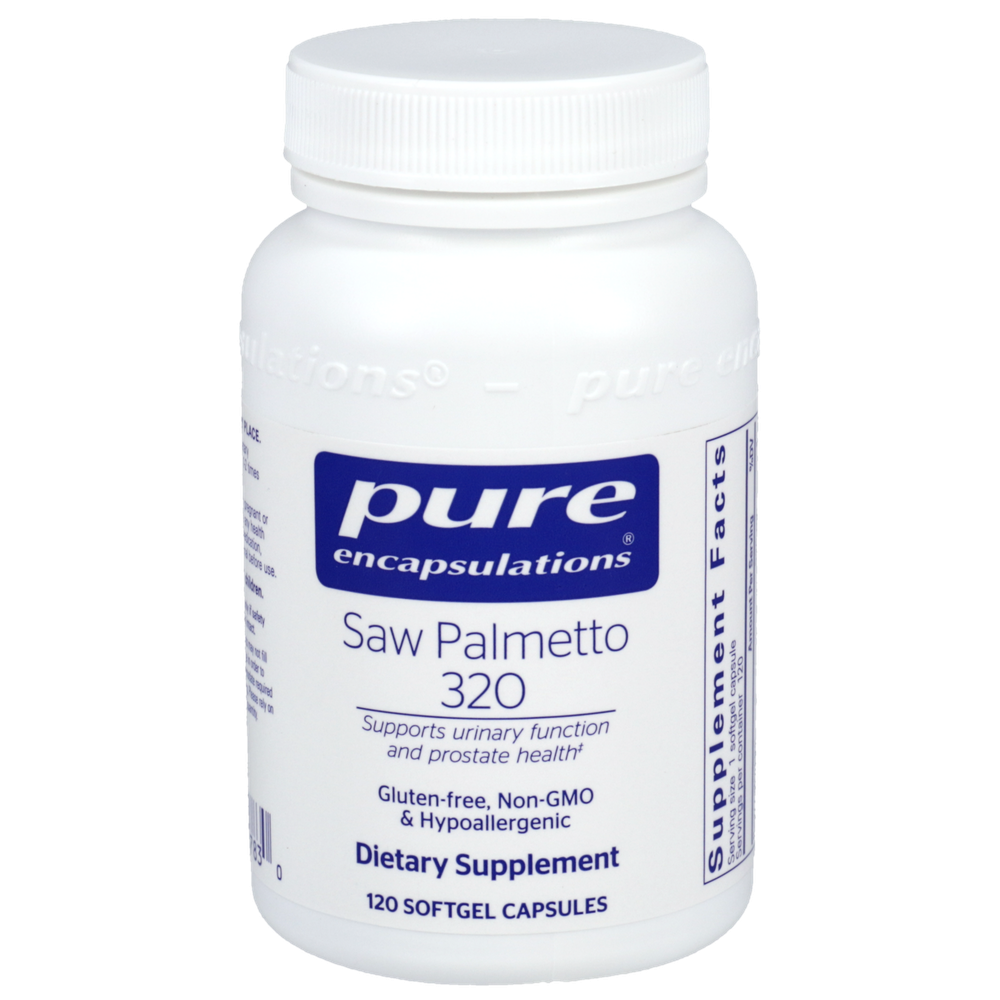
Saw Palmetto 320
Pure Encapsulations
120 softgels
$89.50$71.99 with Subscribe & Save
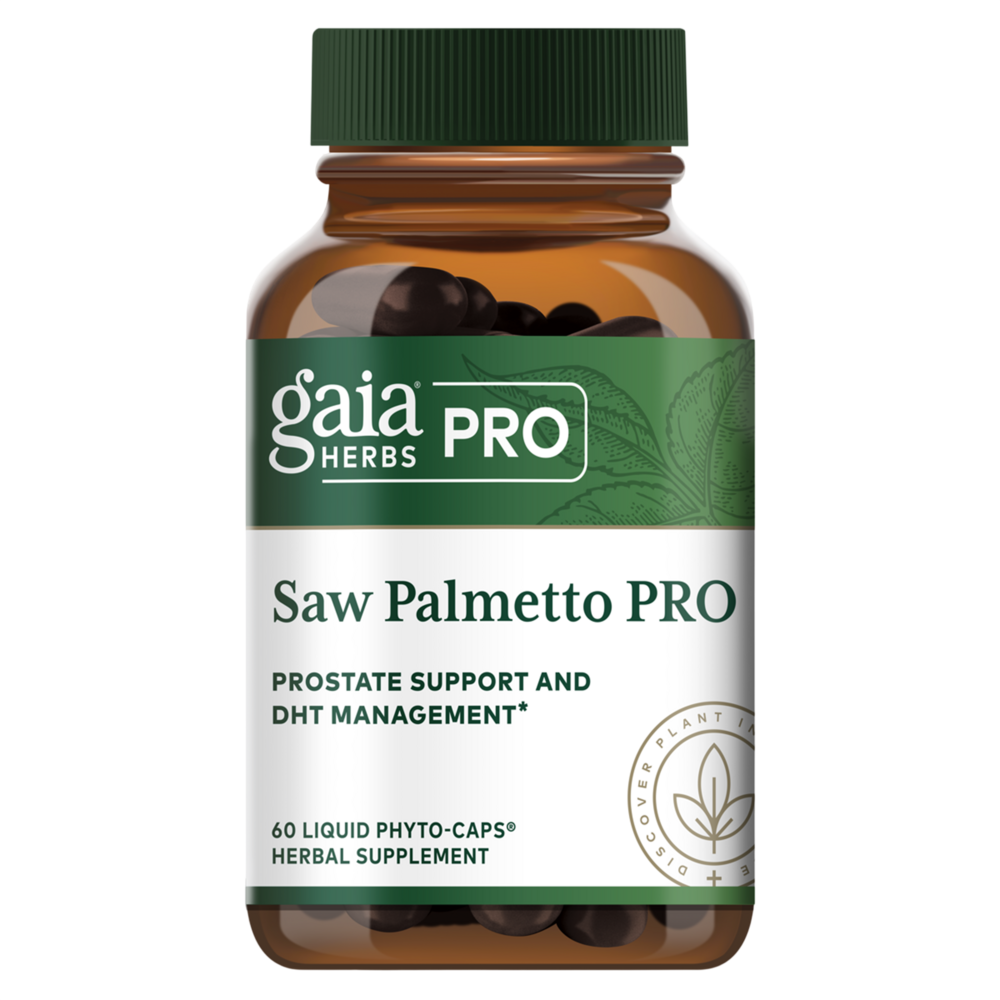
Saw Palmetto PRO
Gaia Herbs Pro
60 capsules
$40.99$32.99 with Subscribe & Save