 Instalab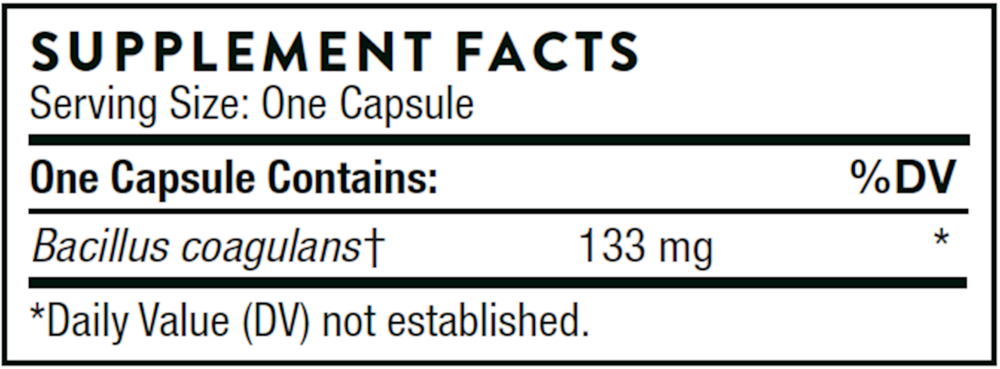


Thorne
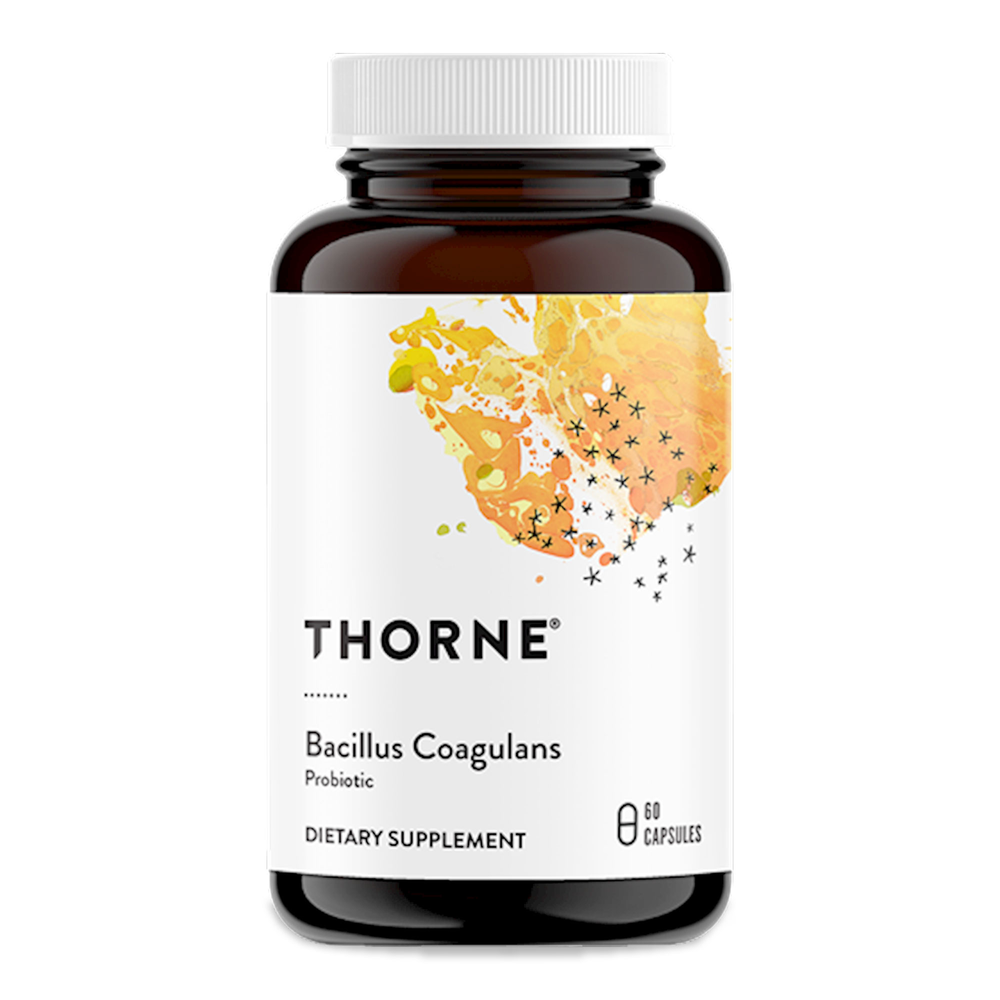
Bacillus Coagulans 133 mg by Thorne
60 capsules · 60-day supply
Support Digestive Health and Gut Balance with Bacillus Coagulans$33.00retail
Add to cart for 21% off
Purchase option
21% below MSRP3rd-party tested for purity & potencyFree shipping $50+
Vegan·Vegetarian·Gluten Free·Soy Free·Dairy Free·Egg Free·
Thorne Bacillus Coagulans overview
This Bacillus coagulans probiotic fits people with recurrent bloating, variable stools, or loose stools after antibiotics. Spore-forming probiotics stay intact through stomach acid, so they are practical if other probiotic capsules have not moved the needle. It is also useful during travel when bowel habits get unstable. If your symptoms track with dairy, it can help by improving lactose digestion, though a dedicated lactase enzyme is still stronger for high‑dairy meals.
Bacillus coagulans is a spore-forming probiotic that survives stomach acid, then “wakes up” in the small intestine. There it produces lactic acid that lowers local pH, which makes it harder for gas-producing and opportunistic bacteria to overgrow. These spores also compete for space and nutrients, and can make digestive enzymes that help break down carbs. In several trials, users reported less bloating and better stool form within 1–2 weeks, with modest drops in hs-CRP (a blood marker of inflammation) in some responders.
The label suggests 1 capsule two to three times daily. In practice, start with 1 capsule daily for a week to gauge gas and comfort, then increase toward the label if needed. Take with a meal or a snack. If you are on antibiotics, separate by at least 2 hours and continue for 1–4 weeks after the course. Most people notice digestion changes within 7–14 days; give it a full month for a stable readout.
Avoid live probiotics if you are severely immunocompromised, have a central line, or a prosthetic heart valve due to rare bloodstream infection risk. If you have known small intestinal bacterial overgrowth, new or worsening gas after 7–10 days is a sign to stop and reassess. For active inflammatory bowel disease with high fecal calprotectin (a stool marker of gut inflammation), see a gastroenterologist; a probiotic is not primary therapy.
Frequently asked questions
What does Bacillus coagulans actually do?
It is a spore-forming probiotic that survives stomach acid, then germinates in the intestine. It acidifies the gut, competes with gas-producing microbes, and can improve bloating, stool form, and post‑antibiotic diarrhea in many users.
How long does Bacillus coagulans take to work?
Most people who respond notice less bloating or steadier stools within 1–2 weeks. Give it up to 4 weeks for a fair trial, especially if your baseline symptoms are intermittent.
Can I take this probiotic with antibiotics?
Yes, but separate doses by at least 2 hours. Continue for 1–4 weeks after finishing antibiotics to help reduce loose stools. If you develop fever or severe abdominal pain, stop and seek care.
Do I need to refrigerate Bacillus coagulans?
No. As a spore-forming probiotic, it is heat- and acid-stable at room temperature. Store it dry, away from direct heat, and keep the cap closed to maintain potency.
What are common side effects?
Temporary gas, mild cramping, or changes in stool frequency can occur during the first week. These usually settle as your gut adapts. Persistent worsening is a cue to stop and reassess.
Is Bacillus coagulans good for IBS?
Several studies show improvements in IBS-type symptoms like bloating and stool form. It is not a cure, but it is a reasonable first-line probiotic to trial alongside diet, stress, and sleep work.
Is it safe during pregnancy or breastfeeding?
Probiotics are generally considered low risk, but high-quality data in pregnancy are limited. If you are pregnant or breastfeeding, check with your clinician before starting.
How is this different from Lactobacillus or Bifidobacterium?
Bacillus coagulans is a spore former, so it is uniquely acid-stable and shelf-stable. Traditional Lactobacillus/Bifidobacterium strains are fragile and often need refrigeration to maintain viability.
How to take it & ingredients
Suggested use: Take 1 capsule two to three times daily or as recommended by your health professional.
Active ingredients
1 capsule per serving · 60 servings
Bacillus coagulans
133 mg
Other ingredients: Delayed Release Capsule, Medium Chain Triglycerides, Microcrystalline Cellulose
Certifications
Benefits
Warnings