 Instalab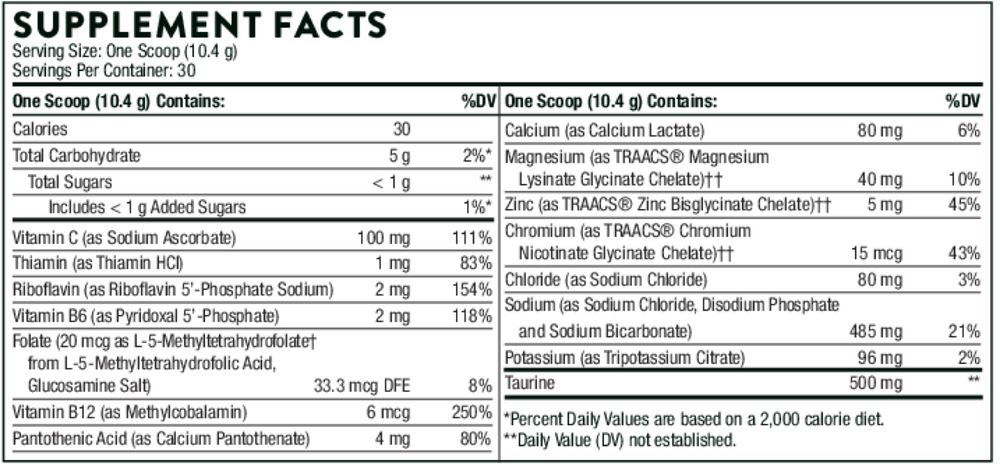
Thorne
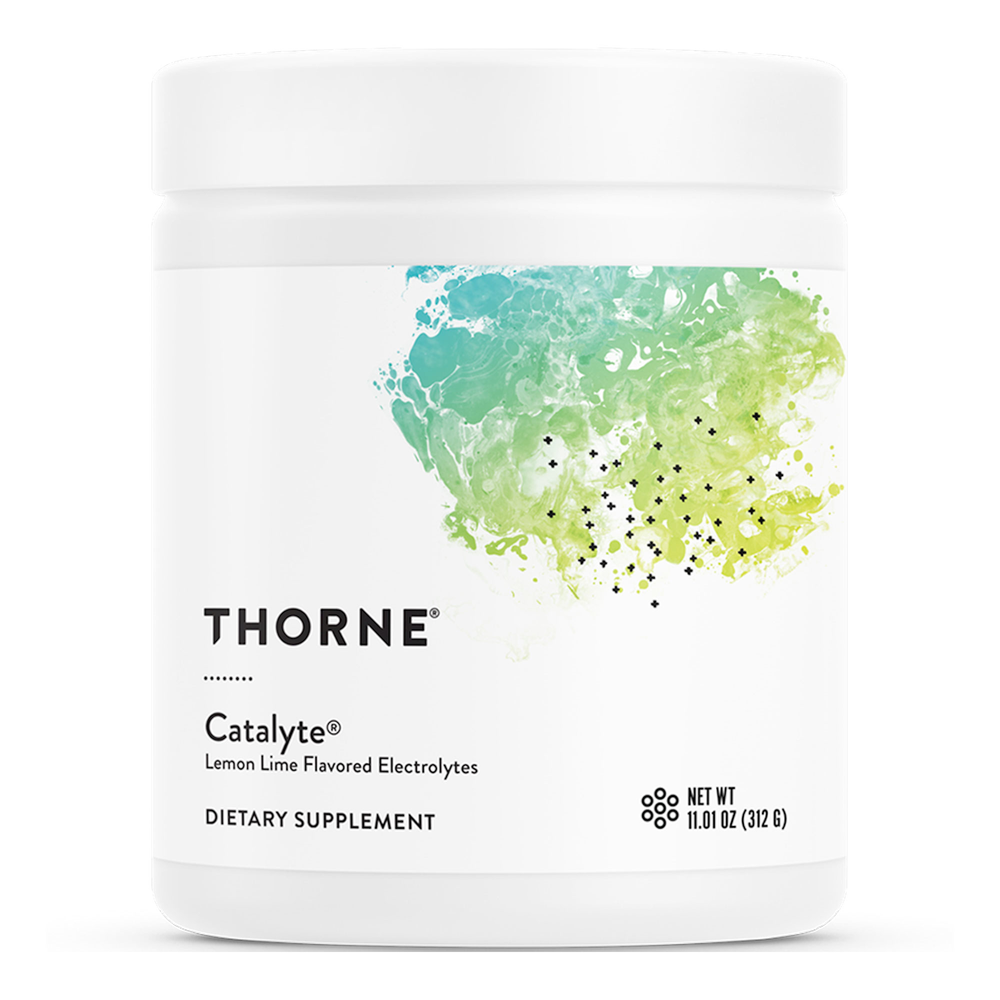
Catalyte by Thorne
312 grams · 30-day supply
Hydration and Recovery Support for Optimal Performance$34.00retail
Add to cart for 21% off
Purchase option
21% below MSRP3rd-party tested for purity & potencyFree shipping $50+
Gluten Free·Soy Free·Dairy Free·Milk Free
Thorne Catalyte overview
Hot-weather runners, high-intensity class regulars, and heavy sweaters who cramp or fade late in sessions are the real wins for this electrolyte powder. One scoop delivers 485 mg sodium plus potassium and magnesium, which replaces what sweat takes. If you track a Basic Metabolic Panel, pay attention to Sodium, Potassium, and Magnesium — low-normal values with frequent training are a sign you’ll feel this most. Low-carb or keto athletes, who excrete more sodium, also tend to benefit.
Sodium, potassium, and magnesium keep fluid where it belongs — inside working muscle and circulating blood — which stabilizes heart rate and reduces cramping. Taurine (an amino acid that helps cells balance water and electrolytes) supports cell volume and muscle function. The B‑vitamins here arrive in active forms, like riboflavin 5'-phosphate and pyridoxal 5'-phosphate, to help enzymes that turn carbs and fats into ATP (your cell’s energy currency). Chromium (bound to nicotinate glycinate for absorption) nudges insulin action, aiding glucose entry into muscle during and after training.
Mix one scoop in at least 12 oz water and sip before and during training; finish another serving after long or very sweaty sessions. In heat or at altitude, most athletes use 1–2 scoops per hour. If your urine is very light and you’re bloated, back off fluid and keep sodium steady. Pairing this electrolyte powder with carbs during long efforts improves endurance; use plain water for easy days.
If you take a diuretic, ACE inhibitor, ARB, or spironolactone (blood-pressure and heart meds that alter Potassium and Sodium), talk to your clinician and monitor a Basic Metabolic Panel. Kidney or heart failure, liver cirrhosis, and medically restricted-sodium diets require supervision. Separate this electrolyte powder by 2 hours from quinolone or tetracycline antibiotics because Magnesium and Zinc can reduce their absorption. If you use insulin or sulfonylureas, watch glucose the first few uses due to chromium.
Frequently asked questions
Is electrolyte powder better than plain water for long runs?
Yes if you sweat a lot or run longer than about an hour. Sodium, potassium, and magnesium replace what you lose in sweat and help maintain pace, reduce cramping, and improve how you feel afterward compared with water alone.
How fast will I feel the difference?
Most people notice steadier energy and fewer cramps the first session. If your baseline Sodium, Potassium, or Magnesium runs low-normal with training, the change is often immediate; full recovery benefits show within a few workouts.
Can I use this electrolyte powder on keto or low-carb?
Yes, it’s a good fit. Low-carb diets increase sodium and water loss via the kidneys. Replacing sodium and potassium reduces headaches, dizziness, and exercise drop-off commonly seen in the first weeks of keto.
Will taurine make me jittery?
No. Taurine isn’t a stimulant. It helps cells regulate fluid and calcium handling in muscle and the heart. At 500 mg, it’s used for performance steadiness, not for a buzz.
Can I take this with creatine or protein?
Yes. Mixing with creatine and taking protein separately works well. Sodium can aid fluid and nutrient uptake, and creatine doesn’t interfere with the electrolytes or B‑vitamins here.
Is this safe if I have high blood pressure?
It depends. Each scoop has 485 mg sodium. If your clinician asked you to limit sodium, get guidance and consider checking home blood pressure on days you use it, especially in the beginning.
Do I need to separate it from medications?
Separate by 2 hours from quinolone or tetracycline antibiotics because minerals can bind them. If you use insulin or sulfonylureas, monitor glucose closely the first few uses due to chromium.
Can I use electrolyte powder every day?
Yes for training or hot conditions. On rest days with low sweat loss, you may not need it; sip to thirst and use a half scoop if you’re prone to cramps or you’re in a hot environment.
How to take it & ingredients
Suggested use: Mix 1 scoop with at least 12 ounces of water. Consume before, during, and after your workout or as recommended by your health professional.
Active ingredients
1 scoop = 10.4 grams per serving · 30 servings
Calcium
Lactate
Lactate
80 mg
Chloride
Sodium Chloride
Sodium Chloride
80 mg
Chromium
Nicotinate Glycinate
Nicotinate Glycinate
15 mcg
Folate
L-5-MTHF
L-5-MTHF
20 mcg, 33.3 mcg DFE
Magnesium
Lysinate Glycinate
Lysinate Glycinate
40 mg
Potassium
Citrate
Citrate
96 mg
Sodium
Chloride and Disodium Phosphate
Chloride and Disodium Phosphate
485 mg
Taurine
500 mg
Vitamin B1
Thiamin HCl
Thiamin HCl
1 mg
Vitamin B12
Methylcobalamin
Methylcobalamin
6 mcg
Vitamin B2
Riboflavin 5'-Phosphate Sodium
Riboflavin 5'-Phosphate Sodium
2 mg
Vitamin B5
Pantothenic Acid
Pantothenic Acid
4 mg
Vitamin B6
Pyridoxal 5'-Phosphate
Pyridoxal 5'-Phosphate
2 mg
Vitamin C
Sodium Ascorbate
Sodium Ascorbate
100 mg
Zinc
Bisglycinate Chelate
Bisglycinate Chelate
5 mg
Other ingredients: Citric Acid, Flavors, Silicon Dioxide, Stevia Extract, Tapioca Maltodextrin
Certifications
Benefits
Warnings