 Instalab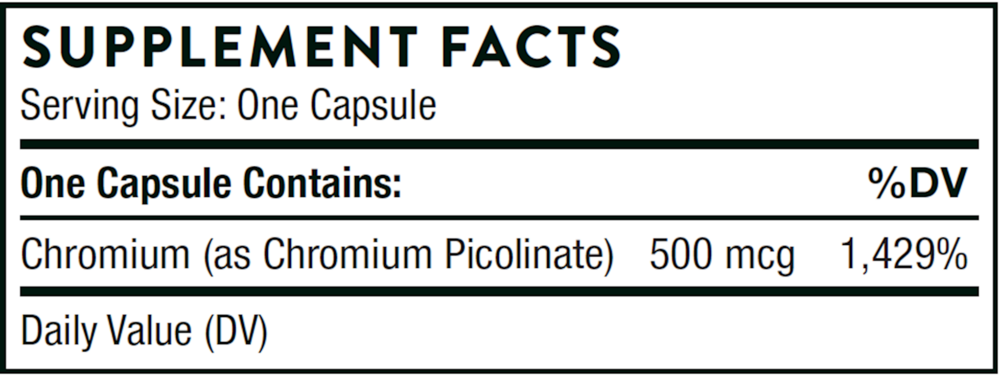



Thorne
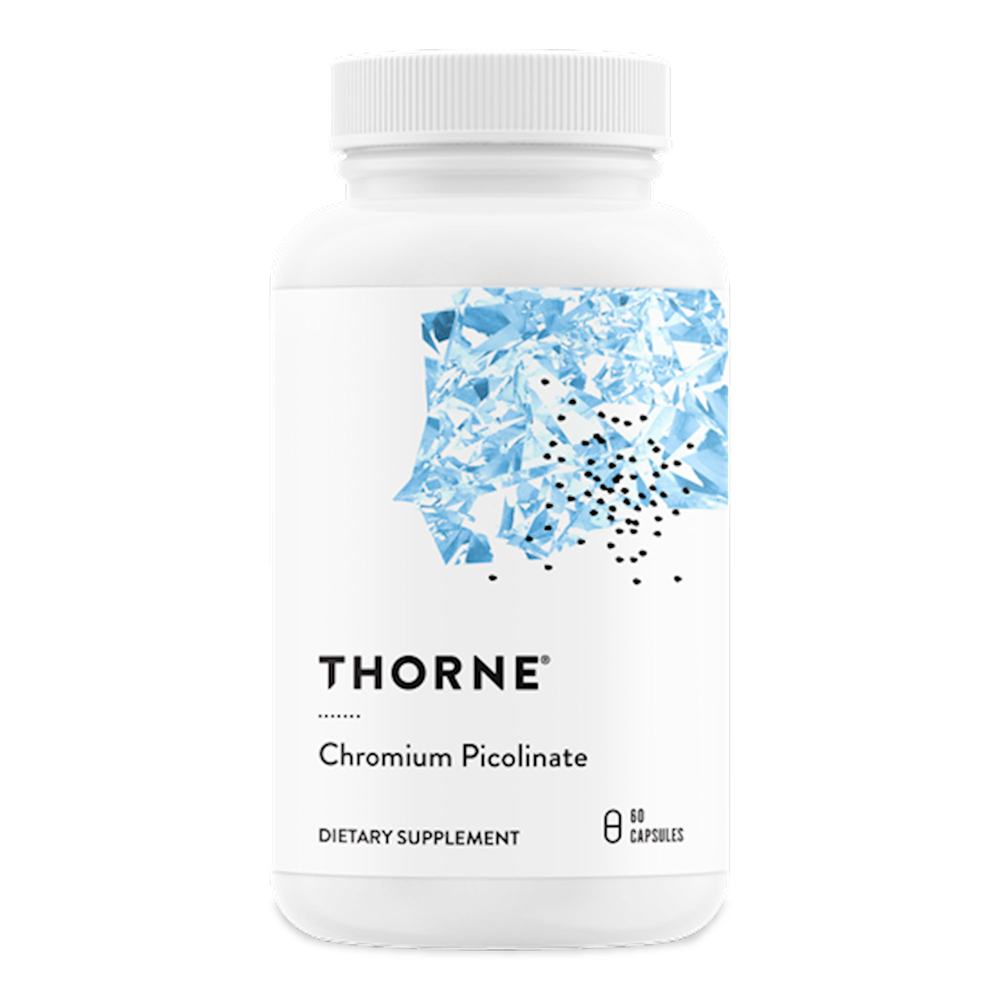
Chromium Picolinate 500 mcg by Thorne
60 capsules · 60-day supply
Supports Healthy Blood Sugar Levels and Metabolic Function$20.00retail
Add to cart for 20% off
Purchase option
20% below MSRP3rd-party tested for purity & potencyFree shipping $50+
Gluten Free·Soy Free·Dairy Free·Milk Free
Thorne Chromium Picolinate overview
If you are watching blood sugar and want a simple add-on, chromium picolinate is a fit. It is most useful if your fasting glucose or Hemoglobin A1c (average blood sugar over 3 months) runs high-normal, or if your fasting insulin (how hard your pancreas works to keep glucose down) is elevated. People with carb cravings during dieting, those with limited whole-grain intake, and adults gaining central weight despite exercise are the typical responders. If you already have well-controlled numbers, expect only small changes.
Chromium picolinate binds chromium to picolinic acid to improve absorption compared with basic salts. Once absorbed, chromium improves insulin signaling, which means your cells respond to insulin’s “let glucose in” message more efficiently. Better signaling can translate to steadier post-meal glucose and modest improvements in Hemoglobin A1c within 8 to 12 weeks. Some people also notice fewer carb cravings, but evidence for appetite effects is mixed and smaller than the blood sugar data.
Thorne suggests one capsule once or twice daily. Start with one daily with a meal for a week, then consider twice daily if you tolerate it and still want more effect. Taking it with food reduces the chance of nausea. This is a clinically common dose; lower 200 mcg products are more for maintenance, whereas those targeting higher fasting glucose often use 500 to 1,000 mcg per day. Recheck fasting glucose or Hemoglobin A1c after 8 to 12 weeks.
If you use insulin or drugs that lower glucose, monitor closely since chromium picolinate can amplify their effect. Separate by at least 4 hours from levothyroxine (thyroid hormone) because minerals can reduce its absorption. Avoid high-dose chromium if you have kidney or liver disease unless your clinician clears it. Pregnancy and breastfeeding deserve individualized dosing rather than self-supplementation.
Give chromium picolinate a fair window by checking fasting glucose or Hemoglobin A1c before starting, then again after 8 to 12 weeks. If fasting insulin or a 2-hour oral glucose tolerance test is available, those can show earlier shifts in insulin sensitivity (how responsive your tissues are). If numbers do not budge, it is better to re-focus on diet, sleep, and activity than to keep increasing dose.
Frequently asked questions
Does chromium picolinate really lower blood sugar?
It can produce small but measurable improvements, especially in people with higher baseline glucose or Hemoglobin A1c. Effects are modest compared with diet, exercise, and medications. Expect changes over 8–12 weeks, not days.
How long does chromium picolinate take to work?
Plan on 8 to 12 weeks for meaningful changes in Hemoglobin A1c and a few weeks for steadier post-meal readings. If nothing changes by three months, it is reasonable to stop or reassess your plan.
What is the best time to take chromium picolinate?
Take it with meals to improve tolerance and align with when insulin signaling matters most. If taking twice daily, use breakfast and dinner. Consistency beats timing tweaks.
Is 1,000 mcg of chromium picolinate safe?
Up to 1,000 mcg per day is commonly studied for short to medium terms in adults. Use caution if you have kidney or liver disease, and avoid stacking multiple chromium products. Stop if you notice stomach upset or rash.
Can I take chromium picolinate with metformin or insulin?
Yes, but monitor glucose more often at first. Chromium picolinate can enhance insulin action, which may increase the risk of low blood sugar when combined with insulin or certain diabetes drugs.
Does chromium picolinate curb sugar cravings?
Some people report fewer carb cravings, but research shows mixed and generally small effects. Any appetite change is a bonus, not the main reason to use it.
Does chromium interact with thyroid medication?
Minerals can reduce levothyroxine absorption. Separate chromium picolinate from levothyroxine by at least 4 hours to avoid blunting your thyroid dose.
What labs should I track while taking chromium?
Fasting glucose and Hemoglobin A1c are primary. Fasting insulin can show shifts in sensitivity earlier. If you have metabolic syndrome, track Triglycerides and HDL-C as lifestyle changes may move those too.
How to take it & ingredients
Suggested use: Take 1 capsule one to two times daily or as recommended by your health professional.
Active ingredients
1 capsule per serving · 60 servings
Chromium
Chromium Picolinate
Chromium Picolinate
500 mcg
Other ingredients: Hypromellose (derived from cellulose) Capsule, Leucine, Microcrystalline Cellulose, Silicon Dioxide
Certifications
Benefits
Warnings