 Instalab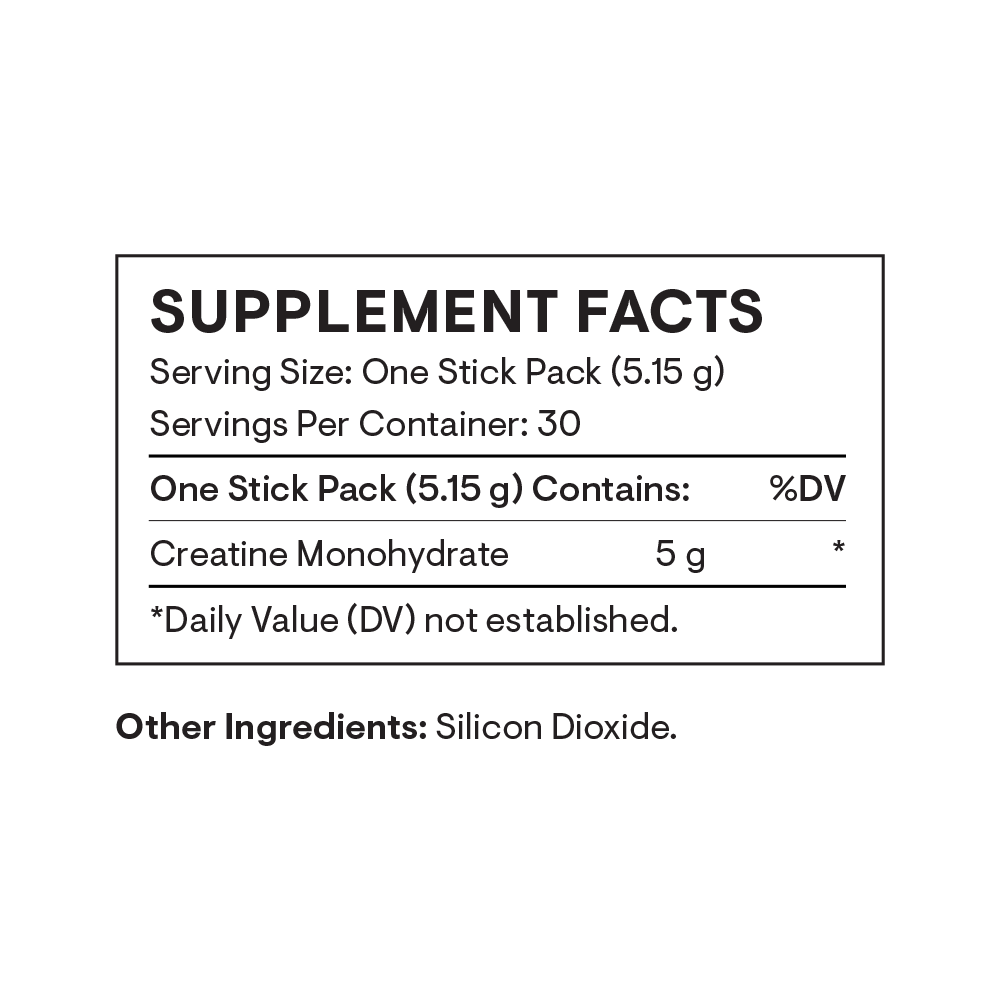




Thorne
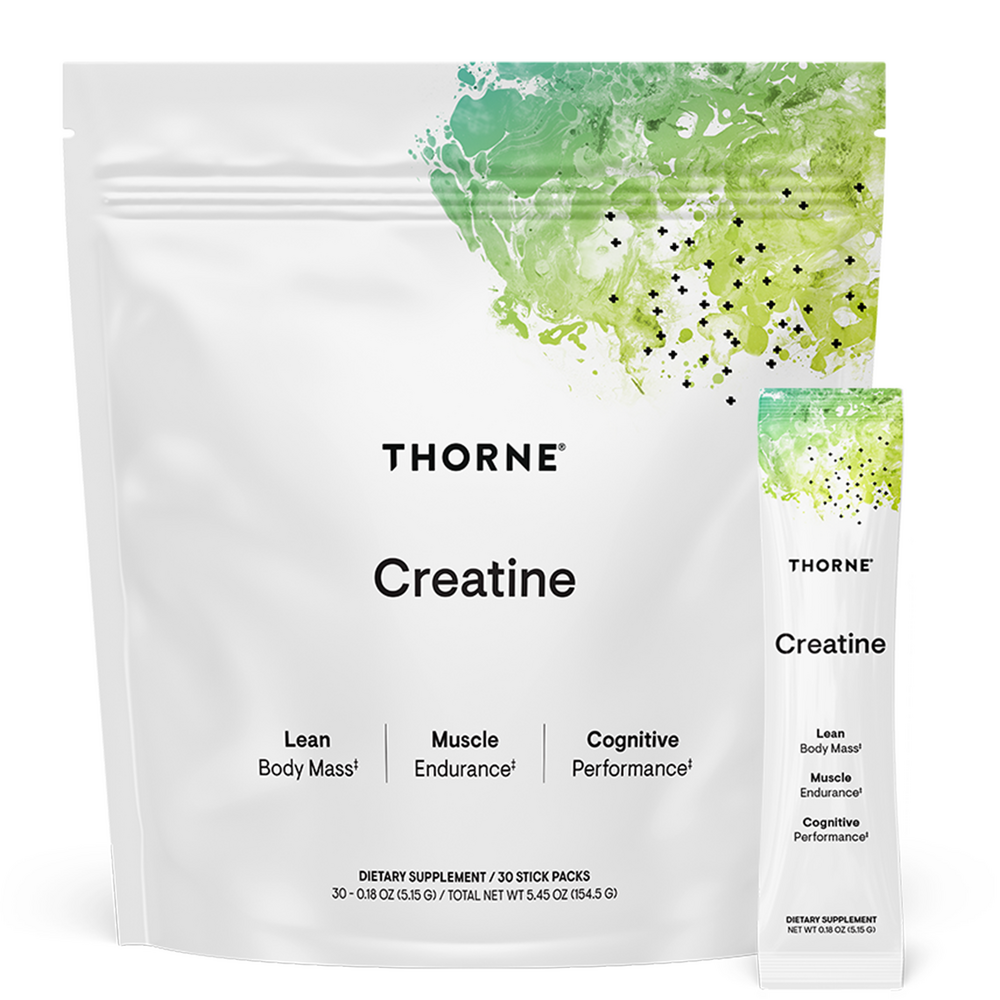
Creatine 5.15 g by Thorne
30 packets · 30-day supply
Supports Muscle Strength and Performance for Active Lifestyles$36.00retail
Add to cart for 19% off
Purchase option
19% below MSRP3rd-party tested for purity & potencyFree shipping $50+
Gluten Free·Soy Free·Dairy Free
Thorne Creatine overview
If your goal is stronger lifts, faster sprints, or preserving lean mass, creatine monohydrate is the workhorse. It especially helps if you train with heavy resistance or repeated high‑intensity bouts, follow a vegetarian or vegan diet with little dietary creatine, or are an older adult working against age‑related muscle loss. It’s also a pragmatic pick if your baseline strength is plateaued despite adequate protein and sleep. Thorne Creatine delivers the standard 5 g dose per day that research typically uses.
Creatine monohydrate raises muscle phosphocreatine, the quick‑release fuel your cells use to remake ATP (the molecule that powers muscle contraction) during hard efforts. With larger phosphocreatine stores, you squeeze out extra reps and recover faster between sets, which translates into better training volume and strength over weeks. As muscles store creatine with water, expect 1–3 lb of intracellular water gain early, which is normal and sits inside muscle, not under the skin.
One stick daily mixed well in water or a shake is a maintenance approach that saturates muscle in about 3–4 weeks. If you want faster results, a short “loading” phase of ~20 g per day split into 4 doses for 5–7 days then drop to one stick daily reaches saturation sooner. Timing matters little; taking it with a meal or your post‑workout protein can reduce stomach upset and may slightly improve uptake. Stay hydrated.
Healthy kidneys handle creatine well, but if you have kidney disease or a low eGFR (estimated filtration rate, a measure of kidney function), skip it unless your clinician agrees. Creatine can raise Creatinine (the breakdown product doctors use as a kidney marker) without harming kidneys, so tell your clinician you supplement if labs look higher. High‑dose NSAIDs or other kidney‑stress drugs are a reason to reconsider. If you’re troubleshooting, avoid mixing creatine into very strong coffee; heavy caffeine intake taken at the exact same time can blunt benefits for some.
Frequently asked questions
How long does creatine take to work?
With a daily 5 g dose, most people notice strength or sprint improvements in 3–4 weeks. A loading phase of ~20 g/day for 5–7 days reaches muscle saturation faster, with earlier performance changes.
Do I need to cycle creatine?
No. There’s no clear benefit to cycling for healthy adults. Continuous daily use keeps muscles saturated. If you stop, levels drift down over 3–4 weeks and any performance edge fades.
Does creatine harm your kidneys?
In healthy people, standard doses are not linked to kidney damage. It can raise Creatinine on labs without true injury. If you have kidney disease or a low eGFR, talk to your clinician before using it.
What’s the best time to take creatine?
Timing isn’t critical. Take it daily at a time you won’t miss. Many use it with a meal or post‑workout shake to reduce stomach upset and for slightly better uptake alongside carbs and protein.
Does creatine cause bloating or water weight?
Creatine pulls water into muscle cells, often adding 1–3 lb early. That’s intracellular (in‑muscle) water, not puffy subcutaneous bloat. GI upset can occur if it’s not dissolved well—mix thoroughly.
Can I take creatine with coffee or pre‑workout?
You can, but if results lag, try separating doses. Some data suggest high caffeine taken at the exact same time can blunt creatine’s effect in certain people. Hydration matters more than timing.
Is creatine safe for women?
Yes. The benefits for strength and lean mass apply to women as well. Expect the same small increase in scale weight from water stored inside muscle, not fat gain.
Does creatine cause hair loss?
There’s no solid evidence in real‑world users. One small study showed a rise in DHT (a testosterone metabolite linked to hair loss), but not actual hair changes. If you’re concerned, monitor and reassess.
How to take it & ingredients
Suggested use: Mix 1 stick pack with at least 8 ounces of water, juice, or preferred beverage daily or as recommended by your health-care or performance professional. Can be used 30-90 minutes before or after exercise.
Active ingredients
1 packet (5.15 grams) per serving · 30 servings
Creatine
Creatine Monohydrate
Creatine Monohydrate
5.15 g
Other ingredients: Silicon Dioxide
Certifications
Benefits
Warnings