 Instalab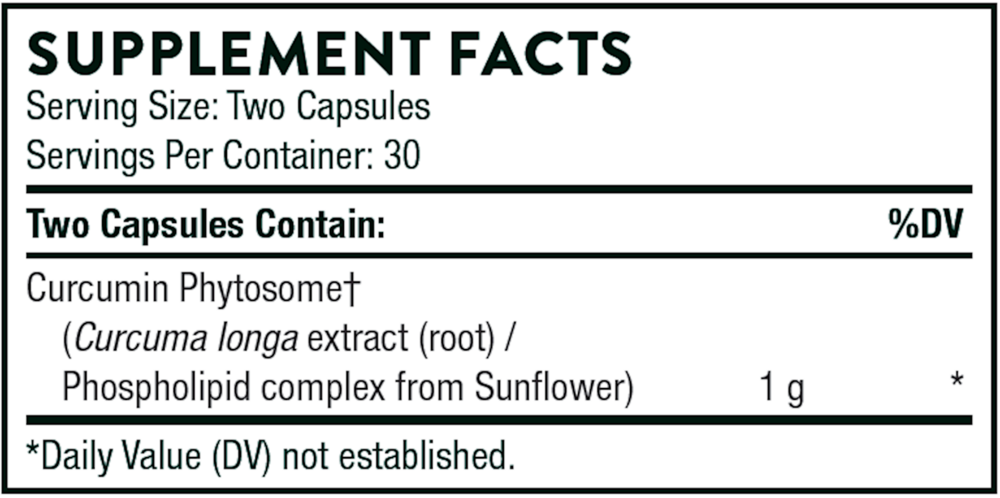

Thorne
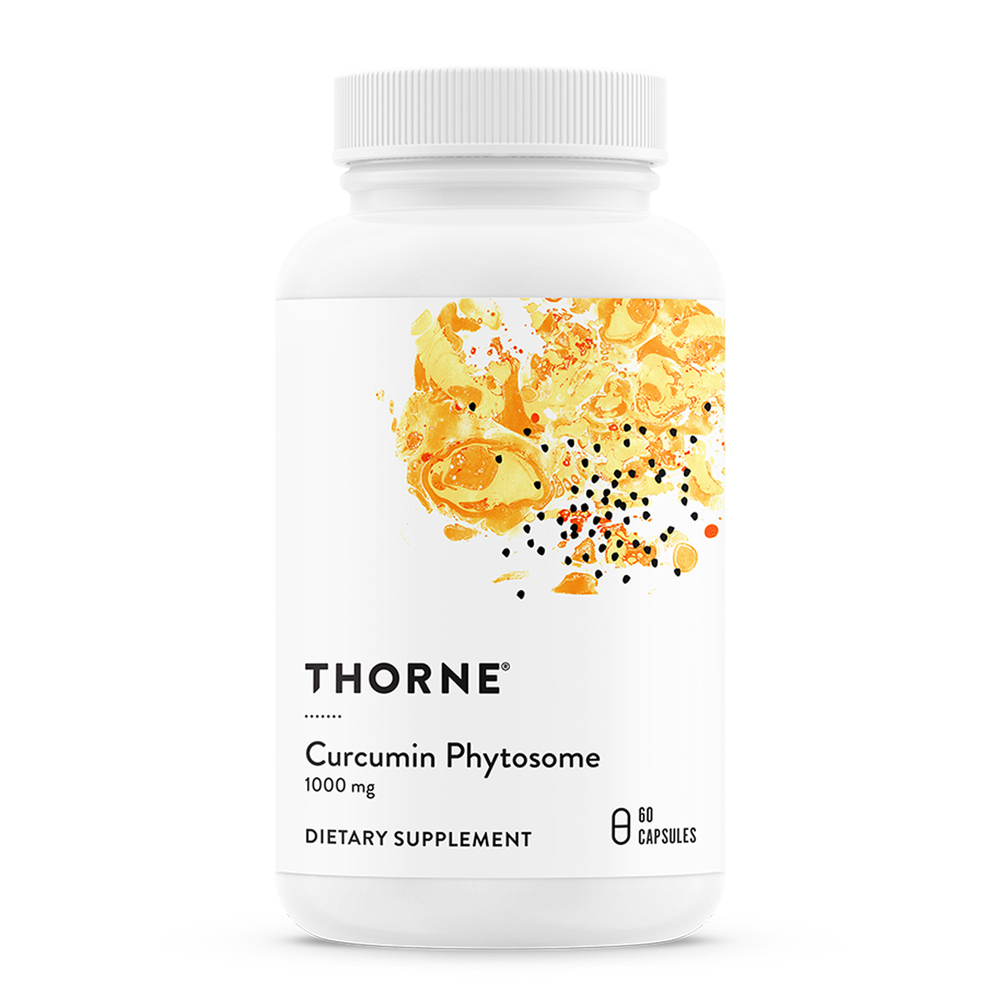
Curcumin Phytosome 1 g by Thorne
60 capsules · 30-day supply
Enhanced Curcumin for Inflammation Support and Joint Health$36.00retail
Add to cart for 19% off
Purchase option
19% below MSRP3rd-party tested for purity & potencyFree shipping $50+
Gluten Free·Soy Free·Dairy Free·Milk Free
Thorne Curcumin Phytosome overview
If your knees or hands feel stiff most mornings, curcumin phytosome is the turmeric extract that tends to move the needle. It’s a fit for adults with achy joints, athletes dealing with post‑workout soreness, and those with higher inflammation on labs like hs-CRP (a blood marker of systemic inflammation). If you rely on NSAIDs but want to use them less, this form of curcumin offers a non-drug option within 2 to 8 weeks.
Standard turmeric powder isn’t well absorbed. The phytosome pairs curcumin with sunflower-derived phospholipids, which helps it cross the gut wall and reach the bloodstream. In trials of Meriva (the same curcumin phytosome complex), people reported less joint pain and stiffness and modest drops in hs-CRP. Mechanistically, curcumin turns down the cell signals that drive pain and swelling, the same pathway many anti-inflammatory drugs target.
Take 1–2 capsules twice daily as Thorne suggests. Consistency matters more than timing. Food isn’t required, but a small meal can reduce the chance of nausea. Expect symptom changes within 2 to 8 weeks; give it a full 8 weeks before judging. If you track labs, recheck hs-CRP after 8–12 weeks. For ongoing maintenance, many patients step down to the lowest dose that keeps symptoms controlled.
Curcumin can lightly affect platelet function, so use caution with warfarin, apixaban, clopidogrel, or high-dose fish oil, and stop 5–7 days before surgery unless your clinician says otherwise. It can aggravate gallbladder disease by stimulating bile flow; avoid with gallstones or bile duct obstruction. Rare liver enzyme elevations have been reported with turmeric products—if you use it long term, consider periodic ALT and AST checks. Pregnancy: avoid unless your clinician approves.
Frequently asked questions
How long does curcumin phytosome take to work?
Most people feel less joint pain or stiffness within 2 to 8 weeks. Give it a full 8 weeks before you decide. If you track inflammation, recheck hs-CRP after 8–12 weeks to see if there’s a measurable change.
Is curcumin the same as turmeric?
Turmeric is the whole root; curcumin is one of its active compounds. Curcumin phytosome is a standardized extract bound to phospholipids for better absorption than turmeric powder alone.
Should I take curcumin with food?
You can take it with or without food. The phytosome form absorbs well either way. Many people prefer a small meal to reduce the chance of nausea or reflux.
Does curcumin thin your blood?
It can have a mild antiplatelet effect. If you’re on blood thinners like warfarin, apixaban, or clopidogrel, or you bruise easily, talk to your clinician before using it and avoid it right before surgery.
Can I take curcumin with NSAIDs like ibuprofen?
Often yes, but combine cautiously. Both act on inflammatory pathways, and adding curcumin is sometimes used to lower NSAID needs. If you have a history of ulcers, bleeding, or are on anticoagulants, get clinician guidance.
What side effects should I watch for?
Most tolerate it well. Possible effects include nausea, loose stools, or reflux. Stop and seek care if you notice dark urine, jaundice, or right‑upper abdominal pain, which could signal a liver or gallbladder issue.
Is curcumin safe if I have gallstones?
No—avoid it. Curcumin can stimulate bile flow and may worsen pain or trigger a gallbladder attack in people with gallstones or bile duct blockage.
Can curcumin affect my lab tests?
If it works for you, hs-CRP sometimes falls modestly after 8–12 weeks. If you use it long term, periodic liver enzymes (ALT, AST) are reasonable, especially if you drink alcohol or take other liver-metabolized drugs.
How to take it & ingredients
Suggested use: Take 1-2 capsules two times daily or as recommended by your health professional.
Active ingredients
2 capsules per serving · 30 servings
Curcumin Phytosome
Curcuma longa extract (root) / Phospholipid complex from sunflower
Curcuma longa extract (root) / Phospholipid complex from sunflower
1 g
Other ingredients: Hypromellose (derived from cellulose) capsule, Leucine, Calcium Laurate, Silicon Dioxide, Calcium Citrate, Microcrystalline Cellulose
Certifications
Benefits
Warnings