 Instalab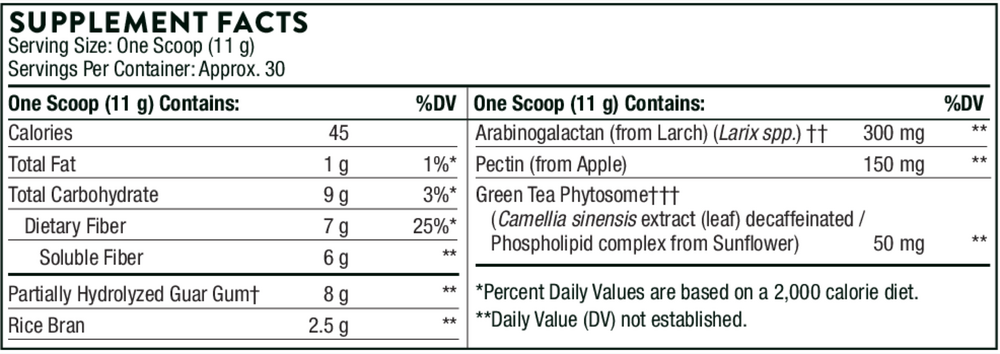


Thorne
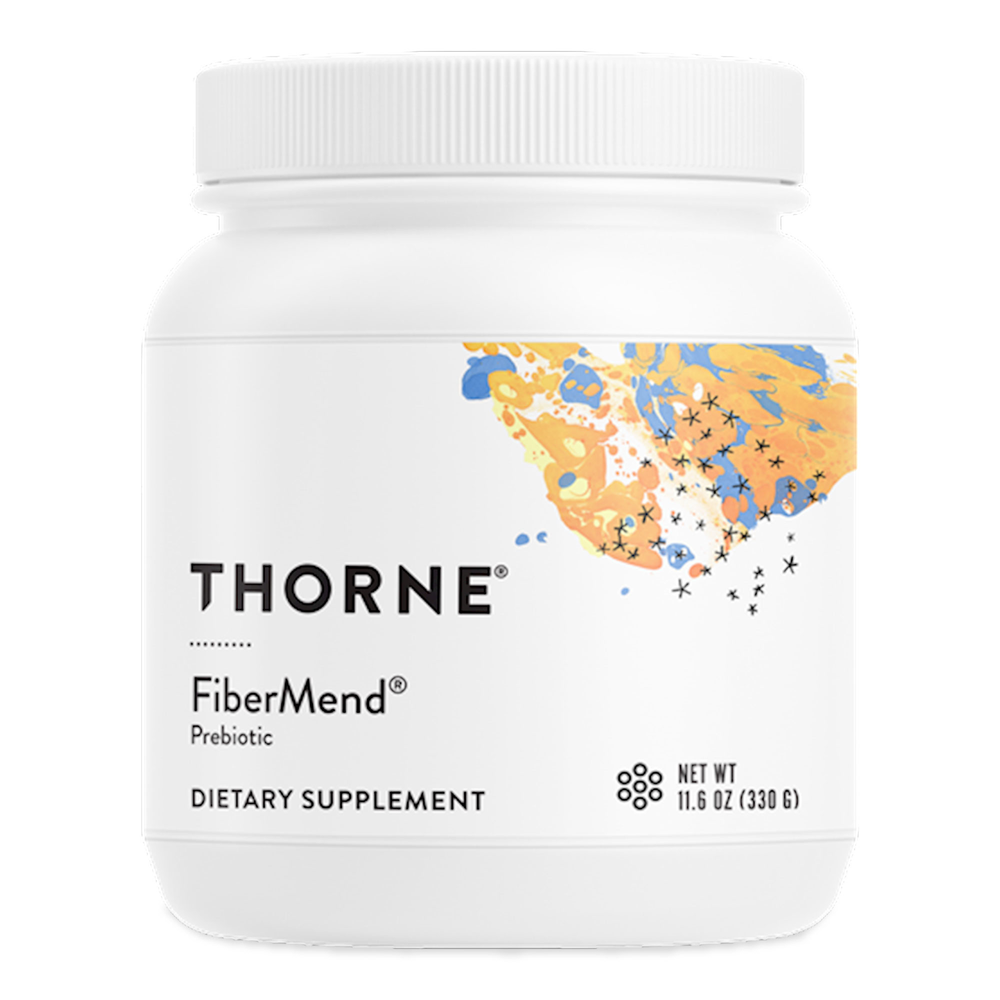
FiberMend by Thorne
330 grams · 30-day supply
Soluble Fiber Blend for Digestive Health and Nutritional Support$45.00
Purchase options
Practitioner-grade brand3rd-party testedFree shipping $50+
Gluten Free·Soy Free·Dairy Free·Milk Free
Thorne FiberMend overview
If you’re looking for prebiotic fiber for bloating and irregularity, this blend is aimed at people who want gentler fiber that doesn’t backfire with gas. It’s a good fit if your diet is light on plants, you’re easing into fiber after a low-FODMAP phase, or your stool switches between loose and hard. If your LDL cholesterol, fasting glucose, or A1C are creeping up, steady daily fiber helps over weeks, not days.
Partially hydrolyzed guar gum is a soluble fiber that feeds gut bacteria without heavy fermentation spikes, so it’s typically easier on bloating than inulin or chicory. Pectin (the gelling fiber in apples) and rice bran add water-holding bulk, normalizing stool form. Arabinogalactan from larch supports growth of beneficial bacteria and short-chain fatty acids that nourish the colon lining. A decaffeinated green tea phytosome supplies polyphenols in an absorbed form, a modest nudge for gut and metabolic health.
Mix one scoop in 8–10 ounces of water or a smoothie once daily. New to fiber or prone to gas? Start with half a scoop for 3–5 days, then move up. Any time of day works. For blood sugar steadiness, take with meals. Aim for at least two extra glasses of water daily. Most people notice stool consistency improve within 3–7 days, with lipid and hs-CRP changes showing up on labs in 4–12 weeks.
Separate fiber from medications and supplements by 2–3 hours, since fiber can reduce absorption. Skip or get medical guidance if you have a history of bowel obstruction, strictures, severe gastroparesis (food moving slowly through the stomach), or active flares of inflammatory bowel disease. If bloating worsens at any dose, pause and reassess for small intestinal bacterial overgrowth with your clinician.
Frequently asked questions
Will prebiotic fiber make my bloating worse?
Usually not with this formula. Partially hydrolyzed guar gum ferments more gently than inulin, so gas and cramping are less common. Start with a half scoop and increase over a week to gauge your tolerance.
How long does fiber take to work for constipation or diarrhea?
Stool form and regularity often improve within 3–7 days. For cholesterol, triglycerides, fasting glucose, or hs-CRP, plan on 4–12 weeks of daily use before rechecking labs.
Can I take this fiber with my medications?
Yes, but separate by 2–3 hours. Fiber can bind drugs and minerals and lower their absorption. This matters for thyroid meds, antibiotics, iron, and some antidepressants.
Is this fiber low-FODMAP friendly?
Partially hydrolyzed guar gum is generally well tolerated during or after a low-FODMAP phase. Even so, introduce slowly and hold at the dose that keeps symptoms calm.
Does fiber help lower cholesterol or blood sugar?
Soluble fiber can modestly lower LDL cholesterol and blunt post-meal glucose rises. Expect small but meaningful changes with daily use, best alongside diet changes and movement.
Can I take this fiber while pregnant or breastfeeding?
Dietary fiber is commonly used in pregnancy, but discuss any new supplement with your obstetric clinician, especially if you have nausea, reflux, or a history of bowel issues.
Can I take it with probiotics or antibiotics?
Yes. It pairs well with probiotics. If you’re on antibiotics, separate by a few hours and continue afterward, as prebiotic fiber helps beneficial bacteria rebound.
How to take it & ingredients
Suggested use: Mix 1 scoop with at least 8–10 ounces of water, juice, or preferred beverage daily or as recommended by your health professional.
Active ingredients
11 grams per serving · 30 servings
▼
Dietary Fiber
7 g
Soluble Fiber
6 g
Partially Hydrolyzed Guar Gum
8 g
Rice Bran
2.5 g
Arabinogalactan
Larch (Larix spp.)
Larch (Larix spp.)
300 mg
Green Tea Phytosome
Camellia sinensis extract (leaf), decaffeinated / Phospholipid complex from Sunflower
Camellia sinensis extract (leaf), decaffeinated / Phospholipid complex from Sunflower
50 mg
Pectin
From Apple
From Apple
150 mg
Certifications
Benefits
Warnings