 Instalab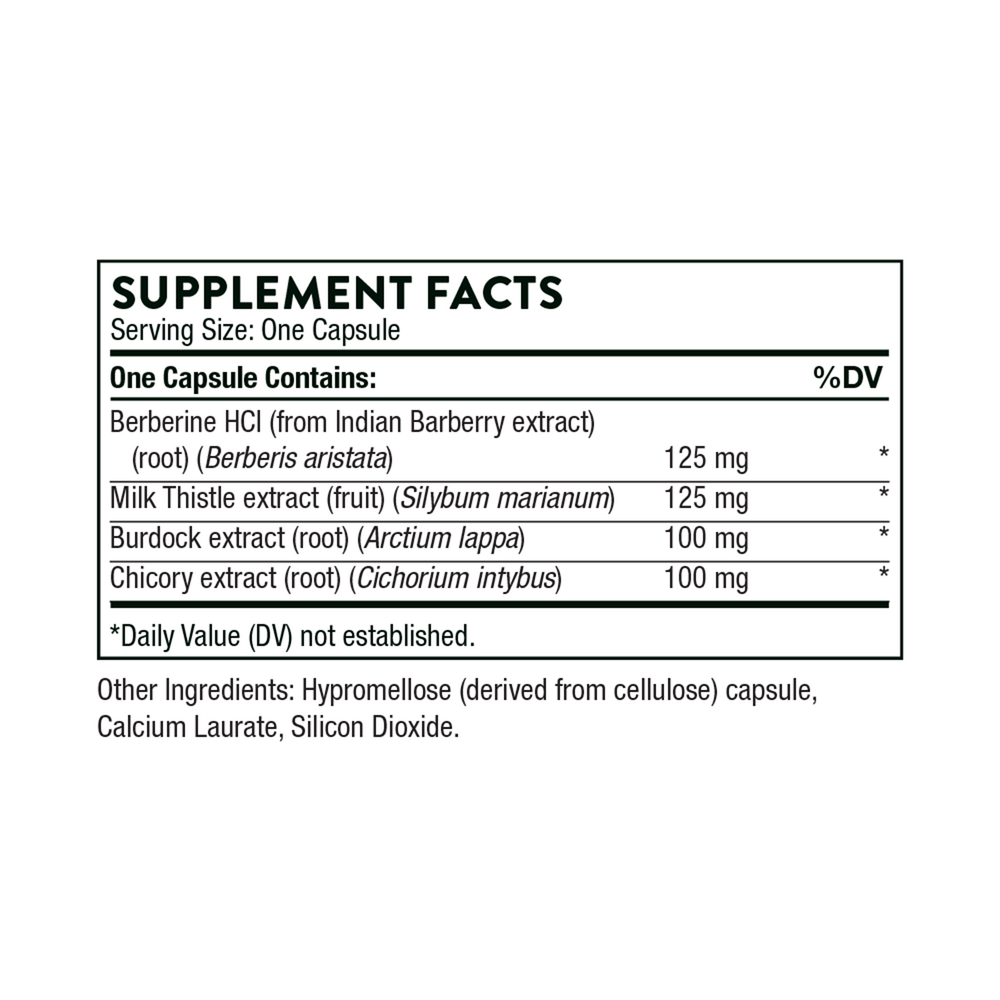
Thorne
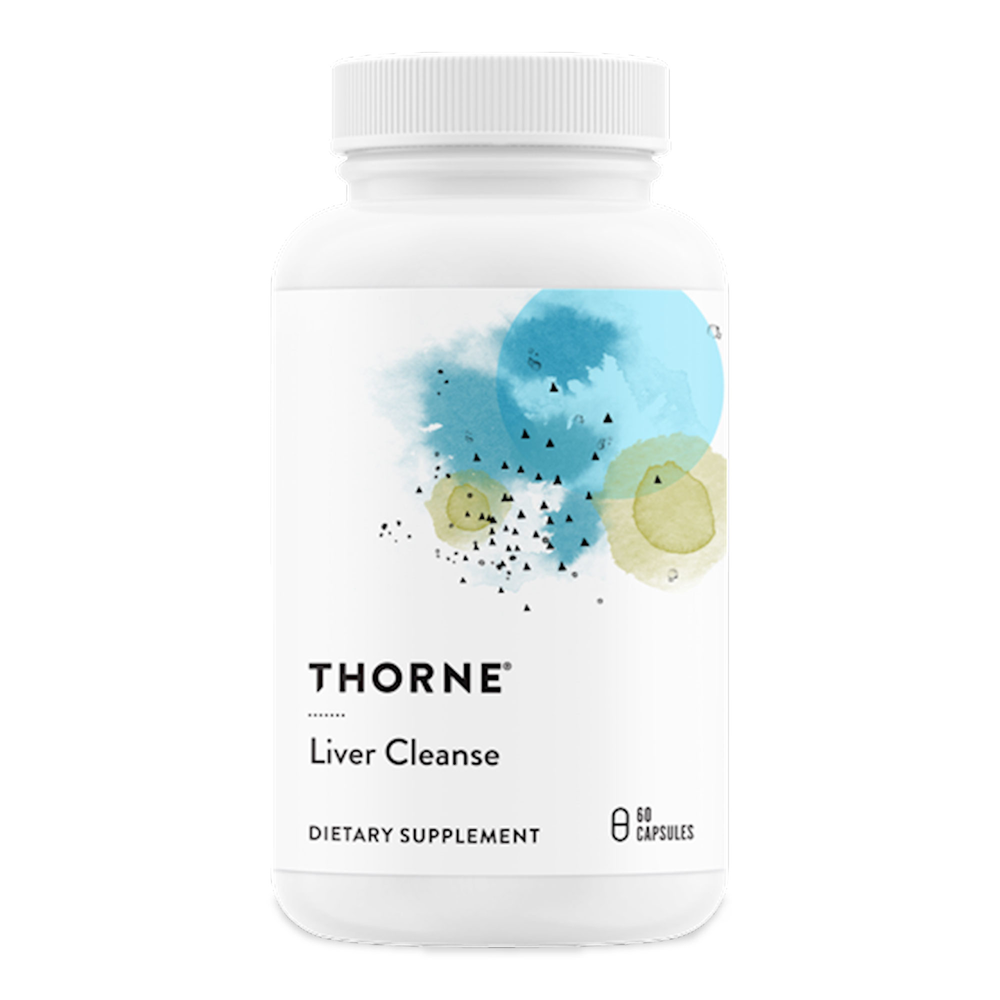
Liver Cleanse by Thorne
60 capsules · 60-day supply
Support Your Liver Health with Nature's Best Botanicals$27.00retail
Add to cart for 19% off
Purchase option
19% below MSRP3rd-party tested for purity & potencyFree shipping $50+
Gluten Free·Soy Free·Dairy Free·Milk Free
Thorne Liver Cleanse overview
Short-term “liver cleanse” plans are most useful when paired with less alcohol, better sleep, and a fiber-forward diet. This blend fits adults with normal labs who want gentler bile flow and fat digestion support during a reset. If your ALT, AST, or GGT (standard liver enzymes) are trending high, tackle causes first and work with a clinician. The berberine and milk thistle here are maintenance-level, not treatment doses, so think adjunct to lifestyle, not a fix on their own.
Milk thistle extract supplies silymarin, an antioxidant complex that helps stabilize liver cell membranes and can raise hepatic glutathione (the liver’s key detox molecule). Berberine influences bile acids and the gut microbiome, supporting bile production and smoother lipid handling, and it modestly improves fasting glucose and triglycerides in responders. Chicory and burdock are bitter roots that nudge bile flow and can ease fat digestion. Expect digestive effects first; meaningful enzyme changes, if they happen, follow sustained lifestyle work.
Take 1 capsule with a meal, once daily to start. If well tolerated, increase to two or three times daily with meals for 2 to 8 weeks, then reassess. Taking it with food reduces the chance of cramping or loose stools common with bitters. Pair with 25–35 grams of daily fiber and steady hydration so bile-bound compounds move through the gut. If your Omega-3 Index is low or triglycerides are elevated, address those directly with diet or fish oil.
Berberine can lower blood sugar and interact with diabetes drugs, so monitor if you use metformin, insulin, or sulfonylureas. It also affects P‑glycoprotein and CYP3A4 (drug transport and metabolism pathways), which can raise levels of medicines like cyclosporine or tacrolimus. Avoid if pregnant or breastfeeding. If you have gallstones or biliary obstruction, bile-stimulating herbs can trigger pain. Significant liver disease warrants clinician oversight and follow-up labs such as ALT, AST, GGT, and bilirubin.
Frequently asked questions
Does a liver cleanse actually work?
Diet, alcohol reduction, weight loss, and sleep drive most improvements. This formula can aid bile flow and digestion, but enzyme changes like ALT or GGT typically require sustained lifestyle changes and medical guidance if levels are high.
How long until I feel anything from milk thistle and berberine?
Digestive changes can show up within days. For lab shifts like triglycerides or liver enzymes, expect several weeks and only alongside diet, alcohol, and weight changes. Recheck labs after 8–12 weeks if you’re tracking.
Should I take a liver cleanse with food or on an empty stomach?
Take it with meals. Bitters and berberine are better tolerated with food and are intended to stimulate bile and support digestion of fats during a meal.
Is this enough berberine to lower blood sugar?
It’s a gentle dose. Glucose-lowering studies often use 500 mg two to three times daily. At 1–3 capsules per day here, expect modest effects at most, and prioritize diet, fiber, and activity for glycemic control.
Can I use this if I have gallstones?
Not without medical guidance. Herbs that stimulate bile can provoke biliary pain in people with stones or obstruction. Get evaluated first if you’ve had right upper abdominal pain after fatty meals.
Is milk thistle safe long term?
Generally yes, with good tolerance in studies. The bigger question is whether you need it continuously. If your ALT, AST, and GGT are normal and habits are solid, consider pulsing or taking breaks.
Can I take it with alcohol on weekends?
You can, but it misses the point. Reducing alcohol is the most effective lever for liver health. If you do drink, keep it light and hydrate, then focus on sleep and fiber the next day.
How to take it & ingredients
Suggested use: Take 1 capsule one to three times daily or as recommended by your health professional.
Active ingredients
1 capsule per serving · 60 servings
Berberine
Berberine HCl (from Indian Barberry extract, root, Berberis aristata)
Berberine HCl (from Indian Barberry extract, root, Berberis aristata)
125 mg
Milk Thistle
Milk Thistle extract (fruit, Silybum marianum)
Milk Thistle extract (fruit, Silybum marianum)
125 mg
Burdock
Burdock extract (root, Arctium lappa)
Burdock extract (root, Arctium lappa)
100 mg
Chicory
Chicory extract (root, Cichorium intybus)
Chicory extract (root, Cichorium intybus)
100 mg
Other ingredients: Calcium Laurate, Hypromellose Capsule, Silicon Dioxide
Certifications
Benefits
Warnings