 Instalab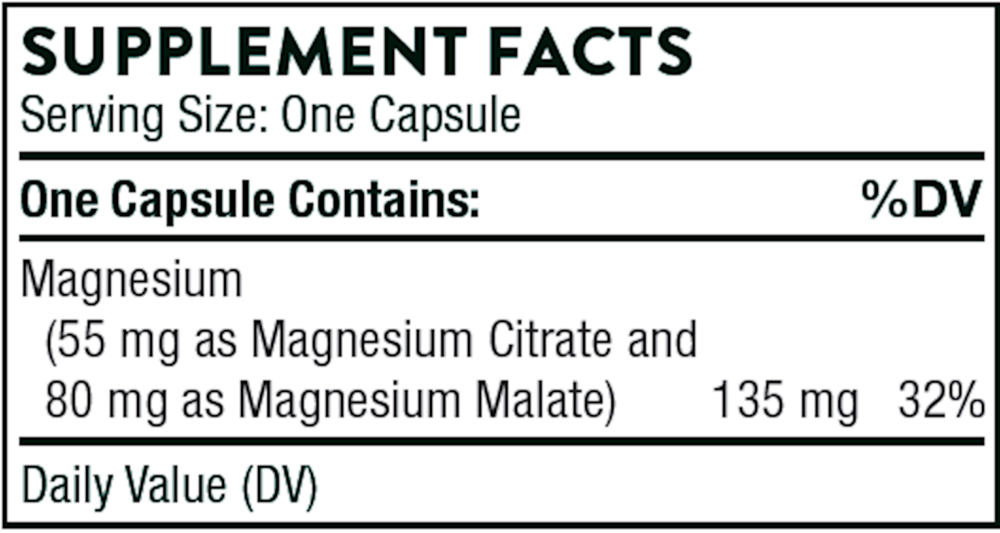



Thorne
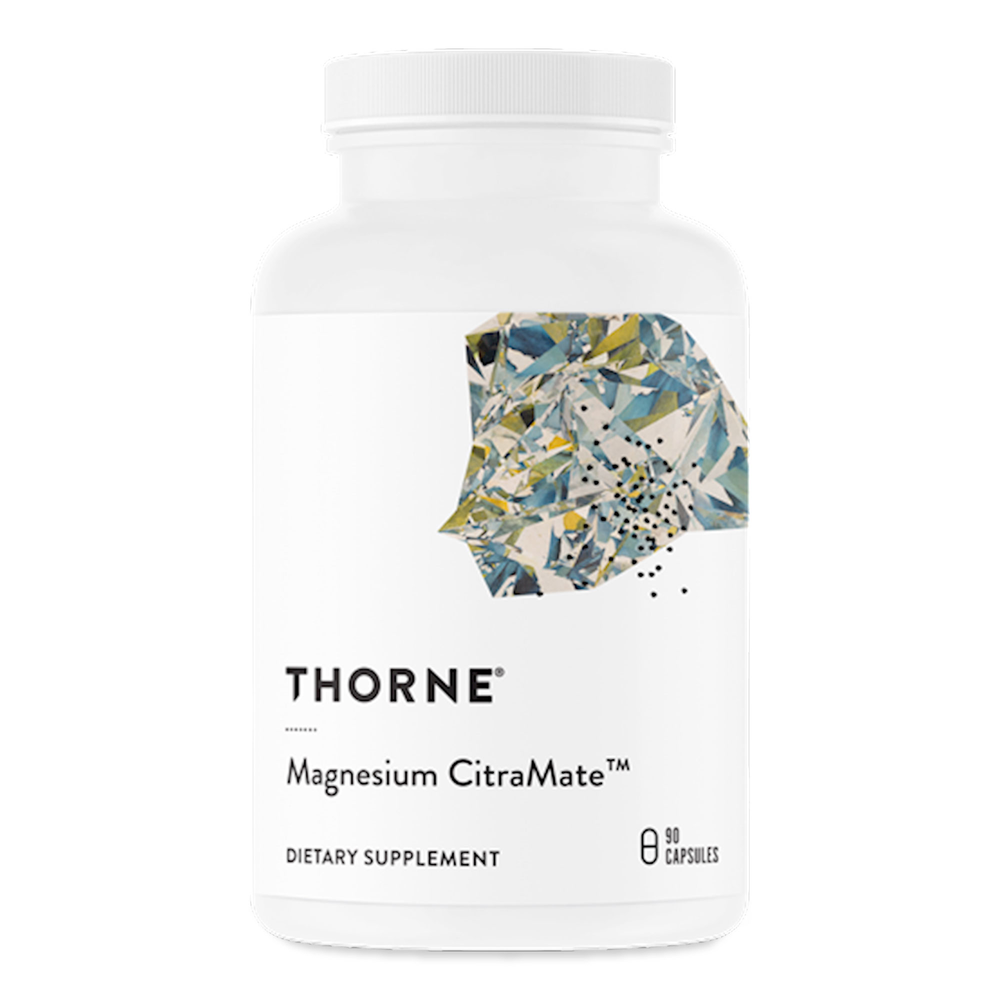
Magnesium CitraMate 135 mg by Thorne
90 capsules · 90-day supply
Supports Muscle Function and Relaxation with Bioavailable Magnesium$22.00retail
Add to cart for 18% off
Purchase option
18% below MSRP3rd-party tested for purity & potencyFree shipping $50+
Gluten Free·Soy Free·Dairy Free·Milk Free
Thorne Magnesium CitraMate overview
If you’re weighing magnesium malate vs citrate, this blend covers both: steadier daytime energy from malate and reliable absorption from citrate. It fits adults with low intake, athletes who sweat heavily, people on proton pump inhibitors or diuretics, and those whose Magnesium, RBC or Magnesium, Serum runs low-normal. If loose stools are your norm, choose magnesium glycinate instead. If constipation is an issue, the citrate here can help while still supplying a meaningful daily dose.
Magnesium runs hundreds of enzymes, including those that relax muscle and set a calm baseline for the nervous system. Citrate is well absorbed and draws water into the bowel at higher doses, which is why it can loosen stools. Malate delivers malic acid (a Krebs cycle intermediate, the cell’s energy pathway), which many patients find gentler and better for daytime use. Together they support muscle relaxation, sleep quality, and more stable energy without sedation.
Each capsule supplies 135 mg of magnesium. Start with one in the evening with food, then add a morning dose if needed. Most adults do well with 135–405 mg daily split in 1–3 doses. If you’re targeting sleep or muscle cramps, give it 1–2 weeks. If stools loosen, drop to evening-only or reduce by one capsule. For higher needs, compare to magnesium glycinate, which is gentler on the gut at larger doses.
Magnesium binds certain meds in the gut. Take it at least 4 hours apart from levothyroxine, iron, tetracycline or fluoroquinolone antibiotics, and bisphosphonates. Use caution with high-dose calcium or zinc taken at the same time, which can compete for uptake. Significant kidney disease raises the risk of magnesium buildup, so use only with clinician guidance and monitor Magnesium, Serum if you have reduced kidney function.
Frequently asked questions
Is magnesium citrate or malate better for sleep?
Both can help by relaxing muscle and the nervous system. Citrate absorbs well but can loosen stools at higher doses; malate is gentler for many and good for evening use. If you’re very stool‑sensitive, magnesium glycinate is usually the best sleep pick.
How long does magnesium take to work for muscle cramps?
Some people notice fewer nighttime cramps within 3–7 days, with steadier results over 2–4 weeks. Consistent dosing matters. If cramps persist, check Magnesium, RBC, Vitamin D, 25-Hydroxy, and Ferritin, and review diuretic or alcohol use, which can deplete magnesium.
Will magnesium citrate cause diarrhea?
At higher doses, citrate draws water into the bowel and can loosen stools. This blend is moderate per capsule, and splitting doses with food helps. If you’re prone to diarrhea, reduce the dose or switch to magnesium glycinate, which is less laxative.
What time of day should I take magnesium?
Evening is a good starting point for sleep and muscle relaxation. If you also want daytime calm or energy steadiness, add a morning dose. Take with food to minimize GI upset, and separate from thyroid meds, antibiotics, and iron by at least 4 hours.
Can I take magnesium with antidepressants or anxiety meds?
Generally yes, there’s no direct interaction with SSRIs or SNRIs. The main issue is spacing from drugs that bind with minerals in the gut. If you take multiple meds or sedatives, review the plan with your clinician to avoid additive drowsiness at night.
How much magnesium should I take daily?
Most adults need 200–400 mg supplemental magnesium to fill dietary gaps, but individual needs vary. This product provides 135 mg per capsule, making it easy to titrate. If your Magnesium, RBC is low or symptoms persist, your clinician may suggest a higher total.
Is magnesium safe if I have kidney disease?
Use only with medical supervision. Reduced kidney function impairs magnesium clearance and can lead to high blood levels. Your clinician may limit the dose and monitor Magnesium, Serum and symptoms such as weakness or low blood pressure.
How to take it & ingredients
Suggested use: Take 1 capsule one to three times daily or as recommended by your health professional.
Active ingredients
1 capsule per serving · 90 servings
▼
Magnesium
135 mg
Magnesium Citrate
55 mg
Dimagnesium Malate
80 mg
Other ingredients: Hypromellose Capsule, Medium Chain Triglycerides
Certifications
Benefits
Warnings