 Instalab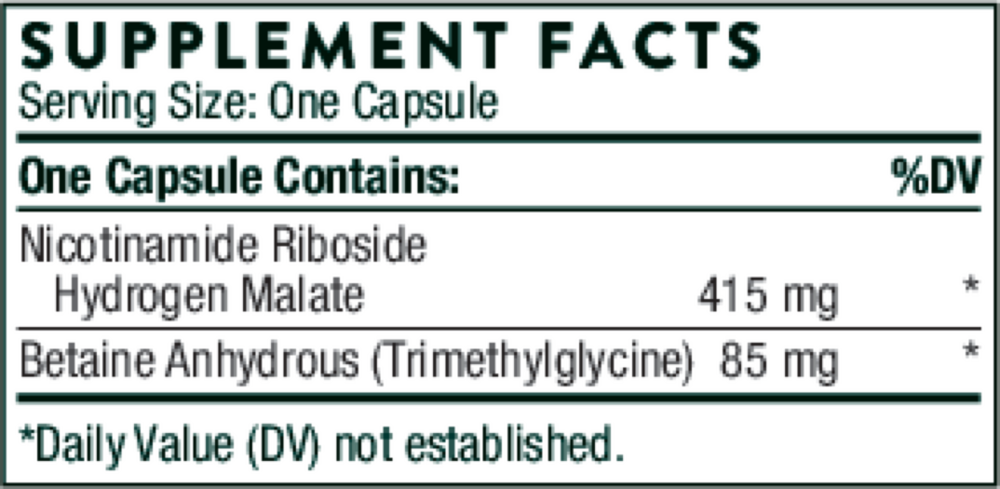
Thorne
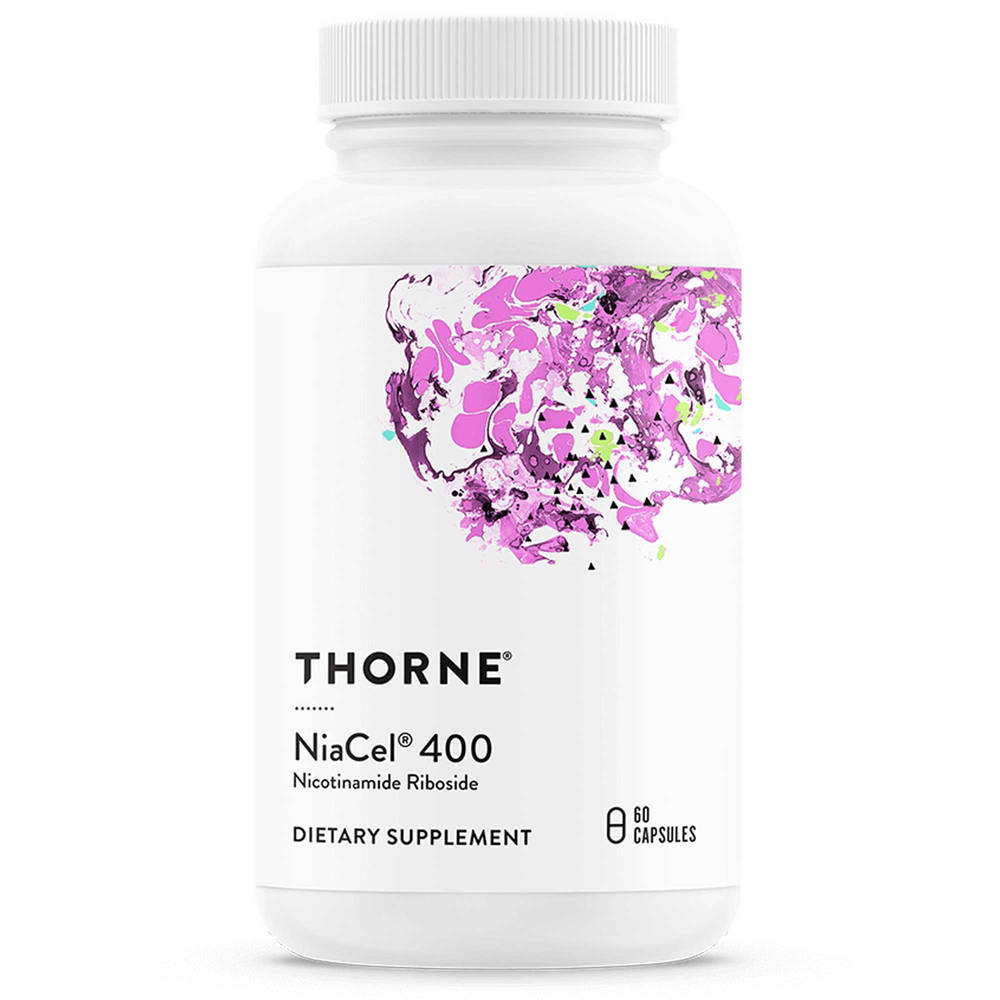
Niacel 400 by Thorne
60 capsules · 60-day supply
Support Cellular Energy and Healthy Aging with NAD+ Boosting Ingredients$XX.XX$74.00retail
Purchase option
20% below MSRP3rd-party tested for purity & potencyFree shipping $50+
Vegan·Vegetarian·Gluten Free·Soy Free·Dairy Free·Egg Free·
Thorne Niacel 400 overview
If you’re looking for how to raise NAD+ levels for energy and healthy aging, nicotinamide riboside is the most studied oral option. It’s a fit for adults in their 30s and beyond with steady fatigue, high training loads, or frequent travel and shift work. If your Homocysteine (an amino acid tied to methylation and cardiovascular risk) runs high, the added betaine helps buffer the methylation demand NR can create.
Nicotinamide riboside converts inside cells to NAD+ (the coenzyme that fuels mitochondria and DNA-repair enzymes). Higher NAD+ supports sirtuins (cell-maintenance enzymes) and PARPs (DNA repair proteins), which collectively improve cellular energy handling. Unlike niacin, NR doesn’t cause flushing. Including betaine (trimethylglycine) matters because NR metabolism uses methyl groups, which can nudge Homocysteine up in some people; betaine donates methyl groups and helps keep that in check.
Take one capsule once or twice daily, with or without food. Morning is practical for energy; if using two, split AM and mid-day. Trials typically use 300–1,000 mg/day and show blood NAD+ rises within 2–4 weeks. This dose is in that clinical range. NR doesn’t require pairing with food, and it won’t cause a niacin flush. Recheck Homocysteine after 4–8 weeks if it’s been high or borderline.
Skip or use only with clinician guidance if you’re pregnant or breastfeeding, have active cancer, or are in treatment where altering NAD+ could affect therapy. If your Homocysteine is elevated despite the included betaine, add B12 and folate if low on labs, or reconsider dosing. Severe kidney or liver disease warrants a conversation with your physician before starting.
Frequently asked questions
Does nicotinamide riboside actually increase NAD+?
Yes. Multiple human trials show nicotinamide riboside raises blood NAD+ within 2–4 weeks at common doses. The size of the increase varies by baseline status, age, and dose.
How long until I feel nicotinamide riboside working?
Cellular NAD+ rises in 2–4 weeks, but perceived energy changes are variable. Some feel steadier energy in 1–2 weeks, others notice little day to day despite lab-confirmed NAD+ increases.
Will nicotinamide riboside cause flushing like niacin?
No. Flushing is typical of niacin (nicotinic acid). Nicotinamide riboside and niacinamide do not cause the prostaglandin-mediated skin flush.
Is nicotinamide riboside or NMN better?
Both feed into NAD+ production. Human data are stronger and more consistent for nicotinamide riboside, with defined dosing and FDA GRAS status. Choose based on evidence access and tolerance.
Can I take nicotinamide riboside with coffee or while fasting?
Yes. It’s fine with coffee and does not require food. Many take it in the morning; avoid late evening if you’re sensitive to feeling more alert at night.
Does nicotinamide riboside affect Homocysteine?
It can. NR uses methyl groups and may nudge Homocysteine up in some people. This formula includes betaine to donate methyl groups. If your Homocysteine is high, recheck after 4–8 weeks.
Is nicotinamide riboside safe long term?
Studies up to a year show good tolerance with gastrointestinal complaints as the most common side effect. If you have active cancer or are on anticancer therapy, discuss with your oncologist first.
Who should avoid nicotinamide riboside?
Avoid in pregnancy and breastfeeding due to limited data. Use caution with active cancer or complex liver/kidney disease, and consult your clinician before starting.
How to take it & ingredients
Suggested use: Take 1 capsule one to two times daily or as recommended by your health-care practitioner.
Active ingredients
1 capsule per serving · 60 servings
Betaine Anhydrous
Trimethylglycine
Trimethylglycine
85 mg
Nicotinamide Riboside
415 mg
Other ingredients: Calcium Laurate, Hypromellose Capsule, Microcrystalline Cellulose, Silicon Dioxide
Certifications
Benefits
Warnings