 Instalab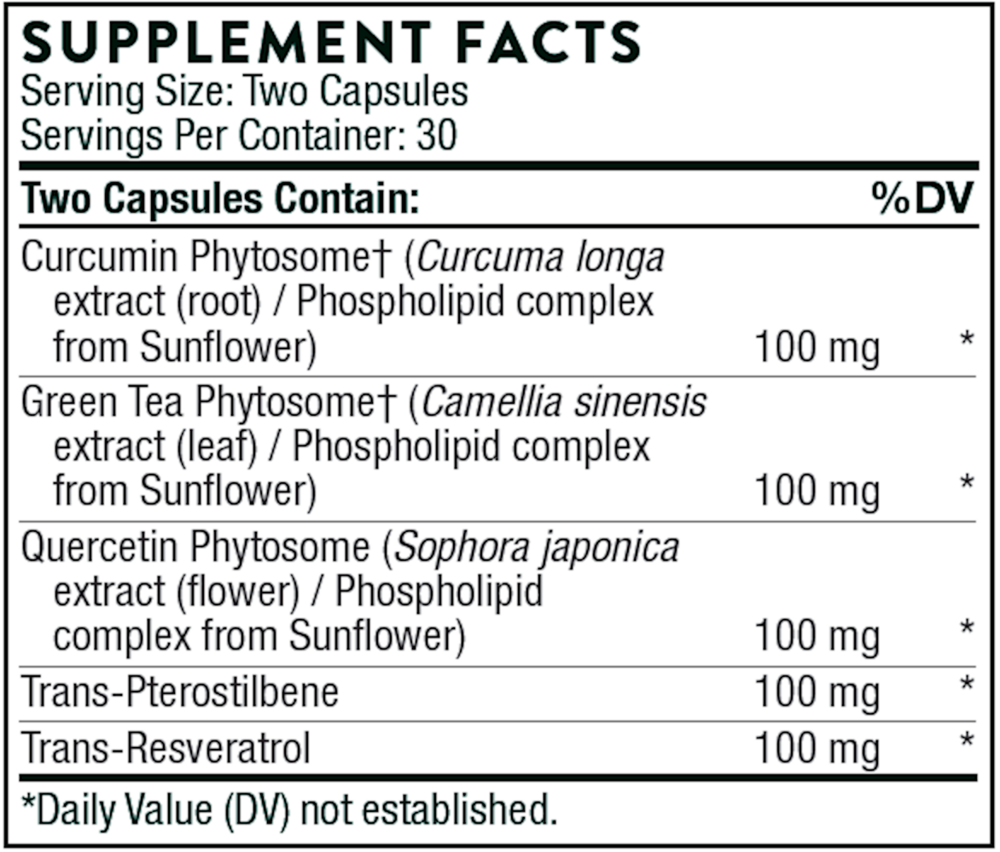
Thorne
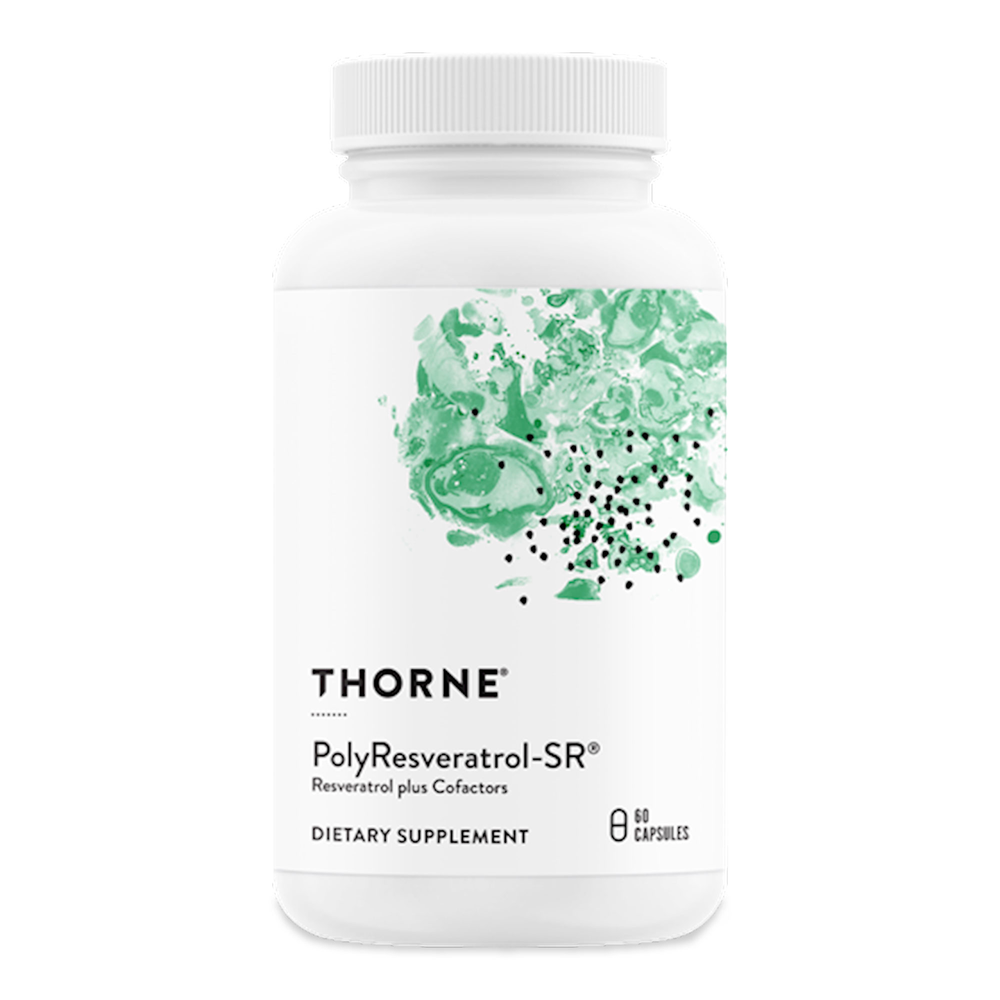
PolyResveratrol-SR by Thorne
60 capsules · 30-day supply
Advanced Antioxidant Support for Healthy Aging and Cellular Function$59.00retail
Add to cart for 20% off
Purchase option
20% below MSRP3rd-party tested for purity & potencyFree shipping $50+
Gluten Free·Soy Free·Dairy Free·Milk Free
Thorne PolyResveratrol-SR overview
People working on metabolic labs often look past red wine to a resveratrol supplement. This sustained‑release blend fits adults tracking hs-CRP (an inflammation marker) or fasting insulin who want a non‑caffeinated polyphenol stack. It’s also a reasonable pick if you rarely eat richly colored plants, avoid alcohol, or want pterostilbene (a close cousin of resveratrol) without taking it separately. If your numbers are already excellent, expect subtle effects, not a life extension pill.
Resveratrol and pterostilbene nudge AMPK (the cell’s fuel gauge that shifts you toward burning fat and improving insulin handling) and damp NF‑κB (a gene switch that drives inflammatory signaling). Curcumin, green tea (decaffeinated EGCG), and quercetin layer on additional anti‑inflammatory and antioxidant activity. All five are in phytosome form, meaning they’re bound to phospholipids to improve absorption. The sustained‑release matrix smooths peaks and valleys, which many find gentler on the stomach and more consistent across the day.
Take 2 capsules once or twice daily with a meal, as the manufacturer suggests. Food improves tolerance and helps fat‑soluble curcumin absorb. If your goal is metabolic change, give it 8–12 weeks, then recheck hs-CRP and fasting insulin; some also track ALT (a liver enzyme) and Triglycerides. Separate from iron supplements by two hours because polyphenols can reduce iron absorption. Consistency matters more than time of day.
Avoid if you use blood thinners or antiplatelets (warfarin, apixaban, rivaroxaban, aspirin, clopidogrel) unless your clinician agrees, due to additive bleeding risk. Use caution with drugs cleared by CYP enzymes or transporters (the liver and gut systems that move many drugs), including cyclosporine, tacrolimus, some chemotherapy, and certain blood pressure meds. History of gallstones or bile duct blockage is a reason to avoid curcumin blends. Past liver injury from green tea extracts warrants baseline and follow‑up liver tests. Not for pregnancy or breastfeeding.
Frequently asked questions
What does a resveratrol supplement actually do?
In humans, resveratrol can modestly improve markers like hs-CRP and fasting insulin in some people, especially with insulin resistance. It’s not proven to extend lifespan, and benefits show up as small shifts in labs over weeks to months.
How long until I see results from resveratrol?
Plan on 8–12 weeks of steady use before rechecking labs. Responders often see small reductions in hs-CRP or fasting insulin in that window. If nothing moves by 12 weeks, reassess dose, diet, or whether this is the right tool.
Should I take resveratrol with food or on an empty stomach?
Take it with a meal. Food improves tolerance, and fat helps absorb curcumin. Taking it with breakfast and/or dinner also simplifies consistent use. Separate from iron by two hours to avoid reducing iron absorption.
Does resveratrol thin your blood?
It has mild antiplatelet effects, which can add to bleeding risk with drugs like warfarin, apixaban, rivaroxaban, aspirin, or clopidogrel. If you use these, check with your clinician or skip it, especially before procedures.
What’s the difference between resveratrol and pterostilbene?
Pterostilbene is a close relative that’s more fat‑soluble and stays in the body longer. Both act on similar pathways; some prefer combining them to balance exposure. Human outcome differences are small and not clearly superior either way.
Is the green tea in this decaf, and is liver safety a concern?
It’s decaffeinated. High‑dose green tea extracts have rarely been linked to liver injury. If you have a liver history, start conservatively and check ALT/AST after 4–8 weeks. Stop and seek care if you notice dark urine or jaundice.
Can I take resveratrol with metformin or a statin?
Often yes, but review with your clinician. There are theoretical interactions via liver enzymes and transporters. If combined, monitor fasting glucose/insulin, lipids, and liver enzymes within 8–12 weeks to confirm it agrees with you.
Is it better to drink red wine instead of taking resveratrol?
No. Wine contains very little resveratrol compared to supplements, and alcohol adds calories and sleep disruption. If you want the polyphenols without alcohol, a supplement is the cleaner route.
How to take it & ingredients
Suggested use: Take 2 capsules one to two times daily or as recommended by your health professional.
Active ingredients
2 capsules per serving · 30 servings
Curcumin Phytosome
Meriva Curcumin Phytosome
Meriva Curcumin Phytosome
100 mg
Green Tea Phytosome
Decaffeinated Green Tea Phytosome
Decaffeinated Green Tea Phytosome
100 mg
Quercetin Phytosome
Quercetin Phytosome
Quercetin Phytosome
100 mg
Trans Pterostilbene
Trans Pterostilbene
Trans Pterostilbene
100 mg
Trans Resveratrol
Trans Resveratrol
Trans Resveratrol
100 mg
Other ingredients: Calcium Laurate, High Viscosity Hydroxypropyl Methylcellulose, Low Viscosity Hydroxypropyl Methylcellulose, Hypromellose Capsule, Leucine, Magnesium Citrate, Silicon Dioxide
Certifications
Benefits
Warnings