 Instalab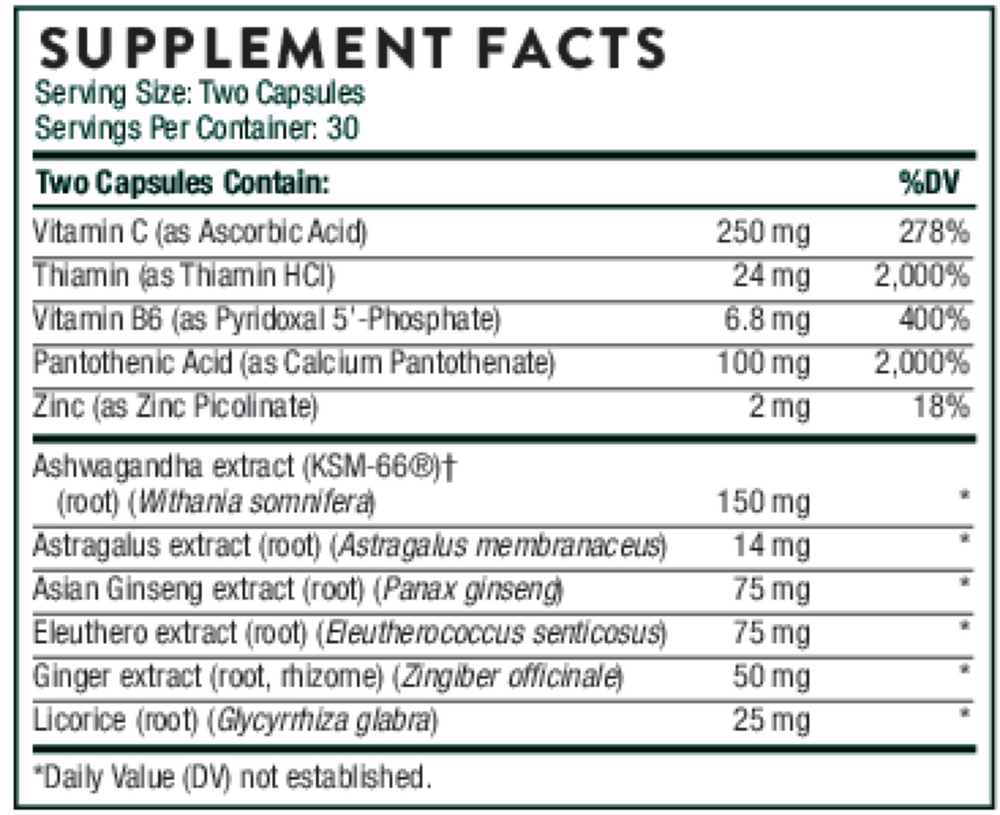

Thorne
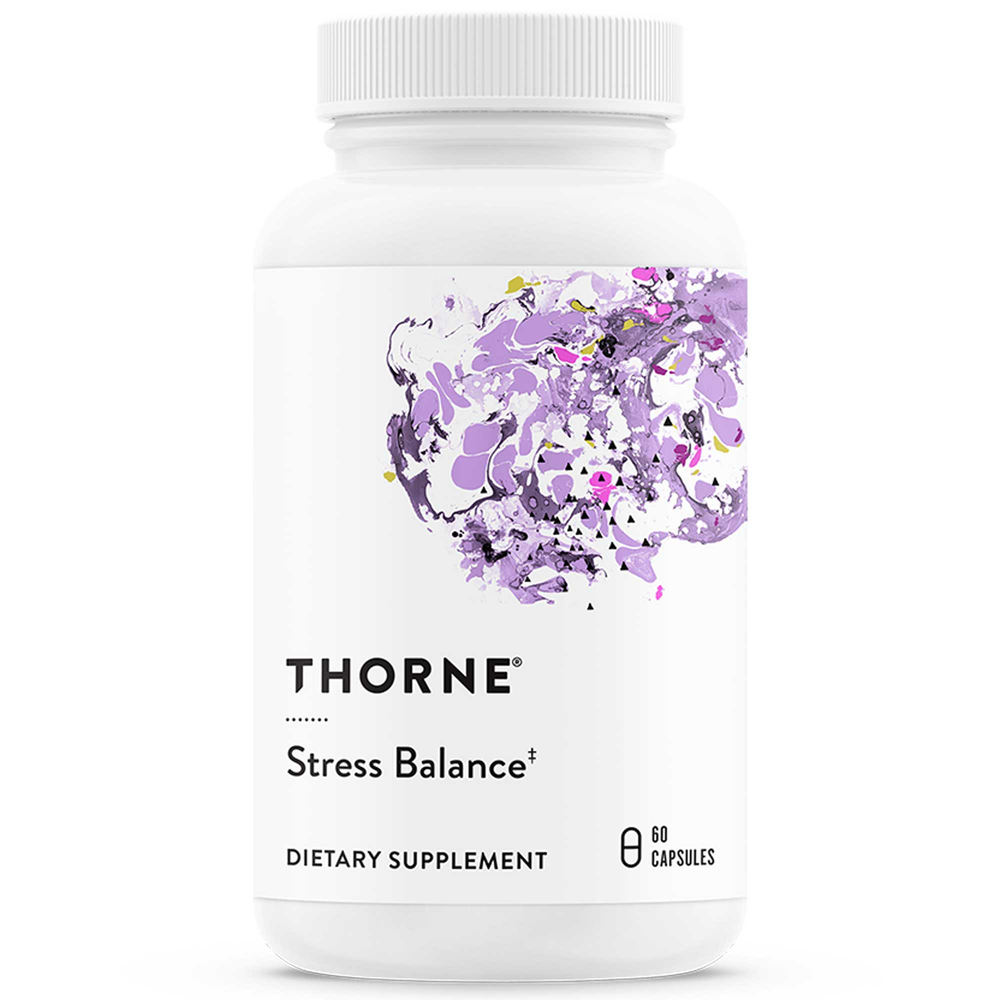
Stress Balance by Thorne
60 capsules · 30-day supply
Support Your Body's Response to Stress with Adaptogenic Ingredients$23.00retail
Add to cart for 22% off
Purchase option
22% below MSRP3rd-party tested for purity & potencyFree shipping $50+
Gluten Free·Soy Free·Dairy Free·Milk Free
Thorne Stress Balance overview
Busy adults with rising work stress who want a gentle adaptogen supplement for stress tend to like this blend. If your morning cortisol (the stress hormone measured in blood or saliva) runs high, or your DHEA-S (an adrenal hormone that often falls with chronic stress) is on the low side, this is a maintenance-level option. It’s also reasonable if caffeine makes you edgy and you want steadier daytime energy without stimulants. If your stress or fatigue is severe, a higher-dose single adaptogen like ashwagandha 300–600 mg or rhodiola 200–400 mg is usually a better first step.
Ashwagandha can lower perceived stress and modestly reduce cortisol by tuning the HPA axis (the brain–adrenal control loop). Panax ginseng and eleuthero nudge mental and physical stamina without the jitter of caffeine. Licorice slows the enzyme that breaks down cortisol, extending its effect, which helps some people with afternoon energy dips but can raise blood pressure in sensitive patients. Astragalus is an immune-leaning tonic, while vitamins B1, B5, and B6 plus vitamin C and zinc replenish nutrients the adrenals use during chronic stress. The doses here are moderate, aiming for steadying rather than a dramatic effect.
Take two capsules with breakfast, and add a second two-capsule dose at lunch on heavier days. Avoid late evening use because ginseng can be stimulating for some. Most people notice smoother energy and less reactivity within 2 to 4 weeks; if you track morning cortisol or a salivary cortisol curve, recheck after 6 to 8 weeks. If you need more intensity, pair with a standalone ashwagandha or rhodiola rather than exceeding the suggested use.
Skip this if you have uncontrolled high blood pressure, chronic low potassium, kidney disease, or are pregnant or breastfeeding—the licorice content is the reason. Use caution with thyroid disease or if you take thyroid medication, because ashwagandha can shift thyroid labs. If you’re on warfarin, insulin or diabetes drugs, or corticosteroids, talk to your clinician; ginseng and licorice can alter blood thinning, blood sugar, and cortisol metabolism. If you’ve had unexplained liver issues, avoid multi-herb formulas and choose a single-ingredient approach.
Frequently asked questions
How long do adaptogens like ashwagandha and ginseng take to work?
Expect noticeable changes in 2–4 weeks for energy and perceived stress, with fuller effects by 6–8 weeks. If you’re tracking labs like morning cortisol or DHEA-S, recheck after about two months.
Can I take this adaptogen supplement at night?
It’s better in the morning or at lunch. Ginseng and eleuthero can feel stimulating, which may delay sleep if taken in the evening. If sleep is your main issue, consider standalone ashwagandha at night.
Does licorice in adrenal supplements raise blood pressure?
It can. Licorice slows cortisol breakdown, which can increase blood pressure and lower potassium in sensitive people. If you have hypertension or take diuretics, choose a licorice-free formula.
Is this safe with antidepressants or anti-anxiety meds?
Often yes, but check with your prescriber. Ginseng can interact with some antidepressants and affect blood sugar; ashwagandha has rare sedation. Start with morning dosing and monitor how you feel.
Can I use this with thyroid medication?
Use caution. Ashwagandha can nudge thyroid hormone levels. If you’re on levothyroxine or similar, separate doses by several hours and recheck thyroid labs after 6–8 weeks.
Will this help high morning cortisol on lab testing?
It may modestly help, but the ashwagandha dose here is conservative. For clearly elevated morning cortisol, a higher-dose ashwagandha product is typically more effective, then step down to maintenance.
What side effects should I watch for?
Possible effects include GI upset, headache, or feeling wired if taken late. Licorice can raise blood pressure and lower potassium. Stop and seek care for jaundice, dark urine, or severe fatigue.
How to take it & ingredients
Suggested use: Take 2 capsules one to two times daily or as recommended by your health professional.
Active ingredients
2 capsules per serving · 30 servings
Ashwagandha
Withania somnifera extract
Withania somnifera extract
150 mg
Panax Ginseng
Asian Ginseng extract
Asian Ginseng extract
75 mg
Astragalus
Astragalus root extract
Astragalus root extract
14 mg
Eleuthero
Eleuthero root extract
Eleuthero root extract
75 mg
Ginger
Ginger root extract (Zingiber officinale)
Ginger root extract (Zingiber officinale)
50 mg
Licorice
Licorice root extract
Licorice root extract
25 mg
Vitamin B1
Thiamin HCl
Thiamin HCl
24 mg
Pantothenic Acid
Vitamin B5
Vitamin B5
100 mg
Vitamin B6
Pyridoxal 5 Phosphate
Pyridoxal 5 Phosphate
6.8 mg
Vitamin C
Ascorbic Acid
Ascorbic Acid
250 mg
Zinc
Zinc Picolinate
Zinc Picolinate
2 mg
Other ingredients: Hypromellose Capsule, Leucine, Magnesium Citrate, Silicon Dioxide
Certifications
Benefits
Warnings