 Instalab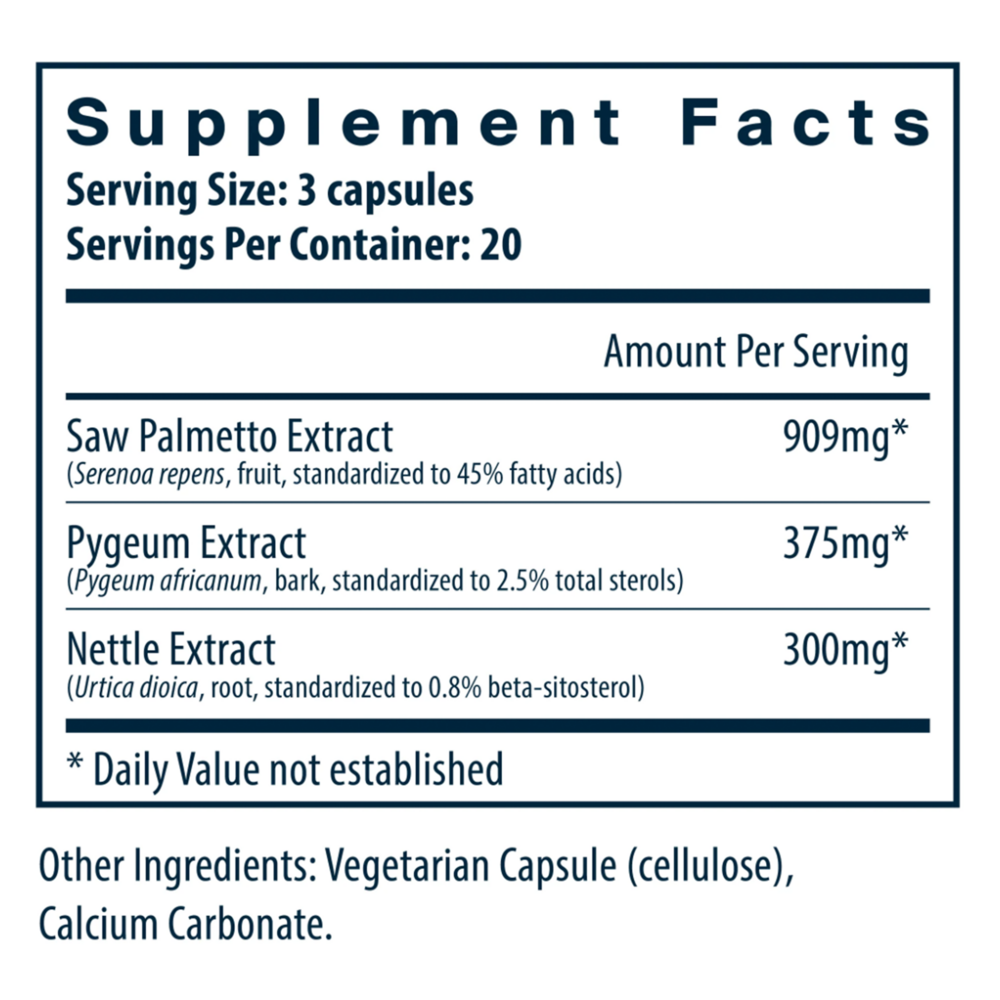
Vital Nutrients
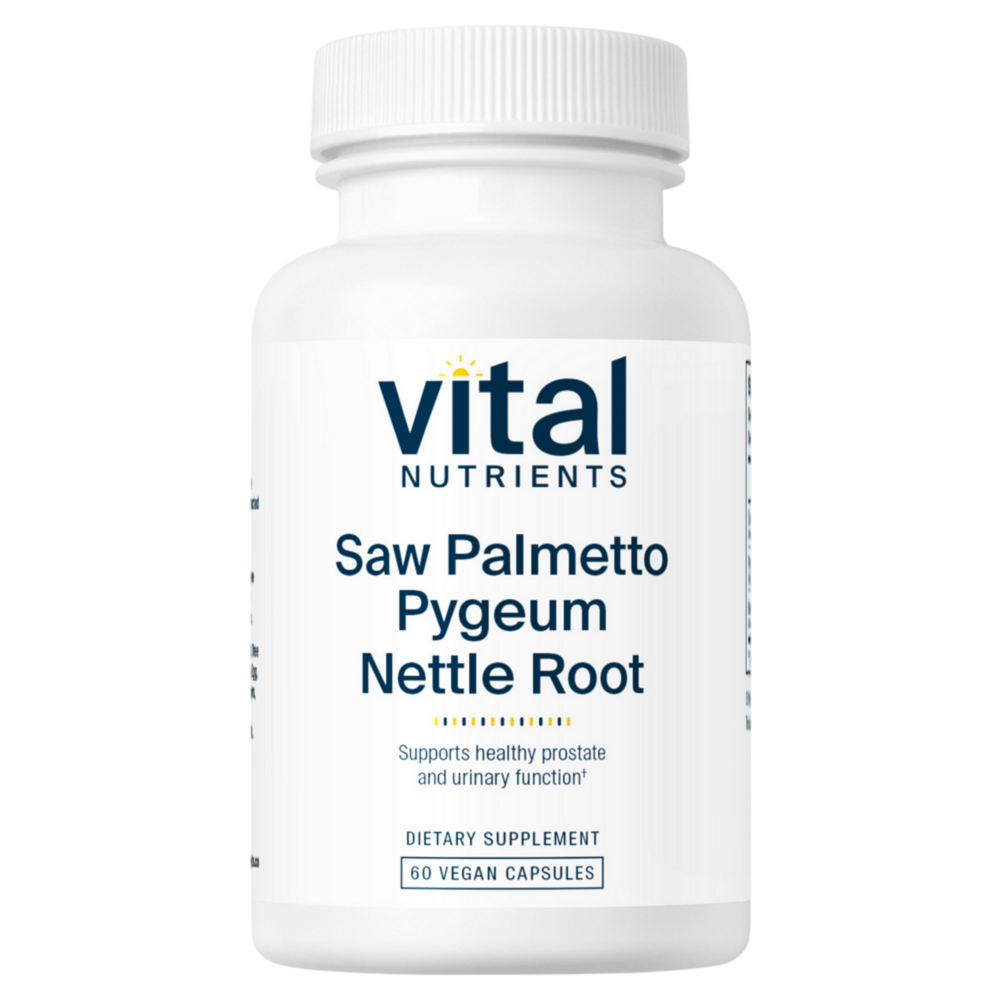
Saw Palmetto Pygeum Nettle Root by Vital Nutrients
60 capsules · 20-day supply
Natural Support for Prostate Health and Urinary Function$40.99
Purchase options
Practitioner-grade brand3rd-party testedFree shipping $50+
Vegan·Vegetarian·Gluten Free·Soy Free·Dairy Free·Egg Free·
Vital Nutrients Saw Palmetto Pygeum Nettle Root overview
Men with mild urinary symptoms tied to prostate enlargement are the audience for saw palmetto for prostate. If you notice slower stream, urgency, or waking at night to urinate, this blend of saw palmetto, pygeum, and nettle root is a reasonable first step. It’s a fit if your PSA (prostate-specific antigen, a protein measured on blood tests) is being monitored and you want a plant-based option before or alongside prescriptions.
Saw palmetto’s fatty acids can inhibit 5-alpha-reductase (the enzyme that turns testosterone into DHT, a hormone that drives prostate growth), which helps ease urinary blockage. Pygeum provides phytosterols (plant sterols) that calm prostate tissue and may improve bladder emptying. Nettle root contains beta-sitosterol (a specific plant sterol) that has improved symptom scores in trials. Results are modest overall, but some men notice fewer nighttime trips within 4 to 12 weeks.
Take three capsules daily with food, as the oils in saw palmetto absorb better with a meal. Many men do well splitting the dose morning and evening to steady levels. Give it 8 to 12 weeks before judging benefit. If you also track labs, keep your PSA on its usual schedule, since symptom improvement should be paired with routine monitoring by your clinician.
If you already take finasteride or dutasteride (prescription 5-alpha-reductase blockers), adding saw palmetto is unlikely to add much and can muddy side-effect tracking. Tamsulosin (a urinary flow aid) can be combined, but discuss it. Saw palmetto has rare bleeding risk; use caution with warfarin, apixaban, clopidogrel, or upcoming surgery. New pain, blood in urine, infections, or urinary retention need medical evaluation, not supplements.
Frequently asked questions
How long does saw palmetto take to work?
Expect a trial of 4 to 12 weeks. Some notice fewer nighttime trips within a month, but a full assessment usually needs 8 to 12 weeks. If nothing changes by then, reconsider the plan with your clinician.
Can I take saw palmetto with tamsulosin or finasteride?
With tamsulosin, yes, they are often combined. With finasteride or dutasteride, added benefit is unclear and side effects can overlap, so coordinate with your prescriber before stacking them.
Does saw palmetto lower PSA levels?
It generally does not meaningfully lower PSA. Keep your regular PSA testing schedule so changes are interpreted correctly. Any unexpected PSA rise or symptoms needs medical follow-up.
Will this shrink the prostate or just improve symptoms?
Plant extracts mainly improve urinary symptoms. They are less consistent at shrinking prostate size compared with prescriptions like finasteride. Use symptom goals and monitoring to judge success.
Are there side effects with saw palmetto, pygeum, or nettle root?
Most side effects are mild, like stomach upset or headache. Rarely, bleeding risk can increase. Take with food and stop before surgery. If you notice bruising or bleeding, seek care.
What time of day should I take saw palmetto?
Take it with meals for absorption, morning and evening if splitting the dose. Consistency matters more than timing, so pick a schedule you can keep daily.
Can women take saw palmetto?
This blend is formulated for prostate symptoms, so it’s intended for men. Women who are pregnant or trying to conceive should avoid it because of hormone-related mechanisms.
Will saw palmetto affect testosterone levels?
It targets the enzyme that makes DHT from testosterone, but it does not reliably change total testosterone on blood tests. If hormones are a concern, discuss testing with your clinician.
How to take it & ingredients
Suggested use: Take 3 vegan capsules daily, with food, or as recommended by your healthcare professional.
Active ingredients
3 capsules per serving · 20 servings
Saw Palmetto Extract
Serenoa repens, fruit, standardized to 45% fatty acids
Serenoa repens, fruit, standardized to 45% fatty acids
909 mg
Pygeum Extract
Pygeum africanum, bark, standardized to 2.5% total sterols
Pygeum africanum, bark, standardized to 2.5% total sterols
375 mg
Nettle Extract
Urtica dioica, root, standardized to 0.8% beta-sitosterol
Urtica dioica, root, standardized to 0.8% beta-sitosterol
300 mg
Other ingredients: Vegetable Cellulose Capsule, Calcium Carbonate
Certifications
Benefits
Warnings
Customers also considered
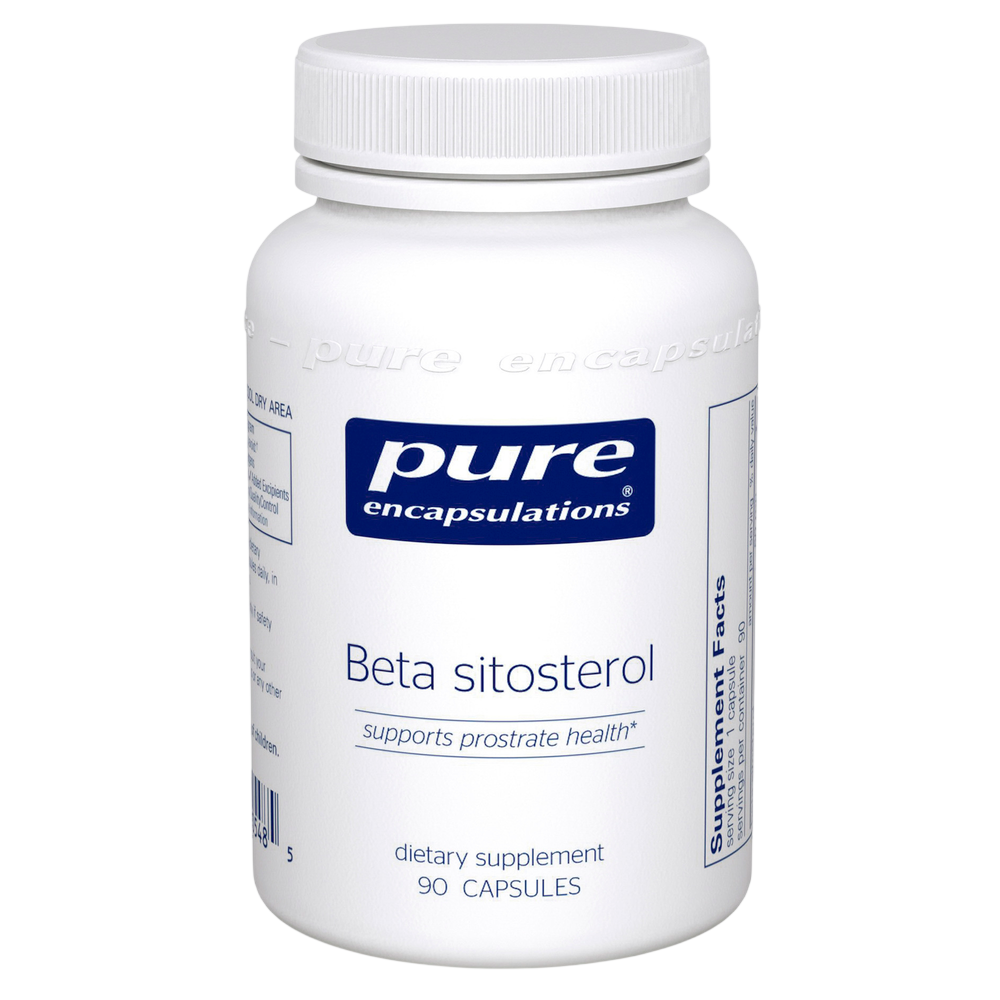
Beta-Sitosterol
Pure Encapsulations
90 capsules
$21.50$16.99 with Subscribe & Save
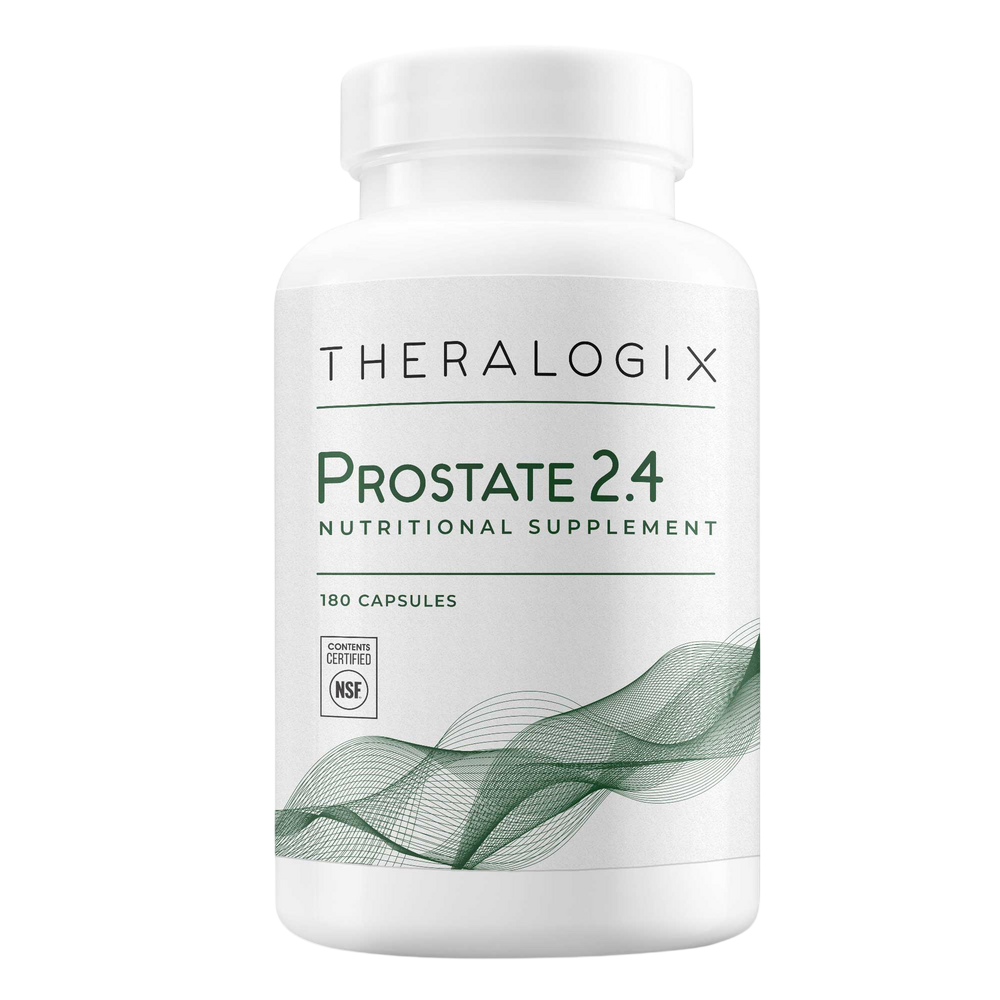
Prostate 2.4
Theralogix
180 capsules
$122.99$97.99 with Subscribe & Save
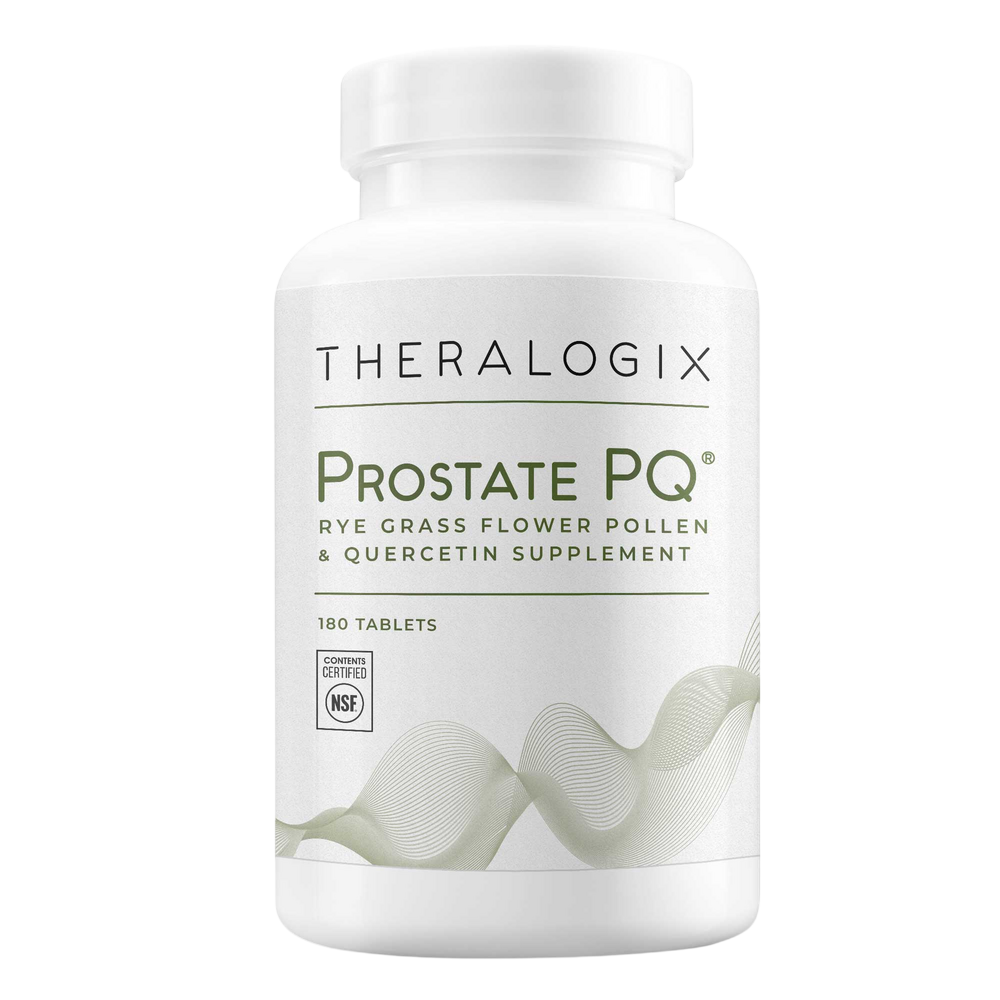
Prostate PQ Rye Grass Flower Pollen & Quercetin Supplement
Theralogix
180 tablets
$130.99$104.99 with Subscribe & Save
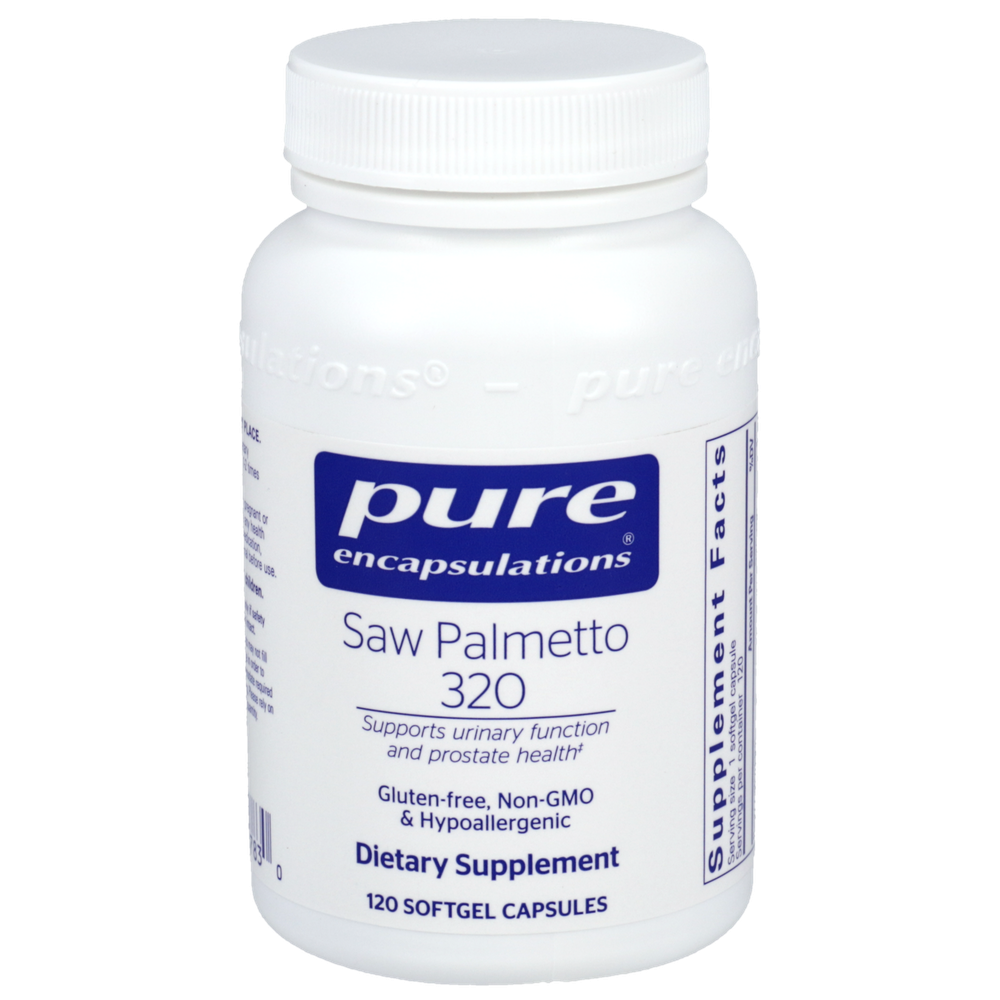
Saw Palmetto 320
Pure Encapsulations
120 softgels
$89.50$71.99 with Subscribe & Save