 Instalab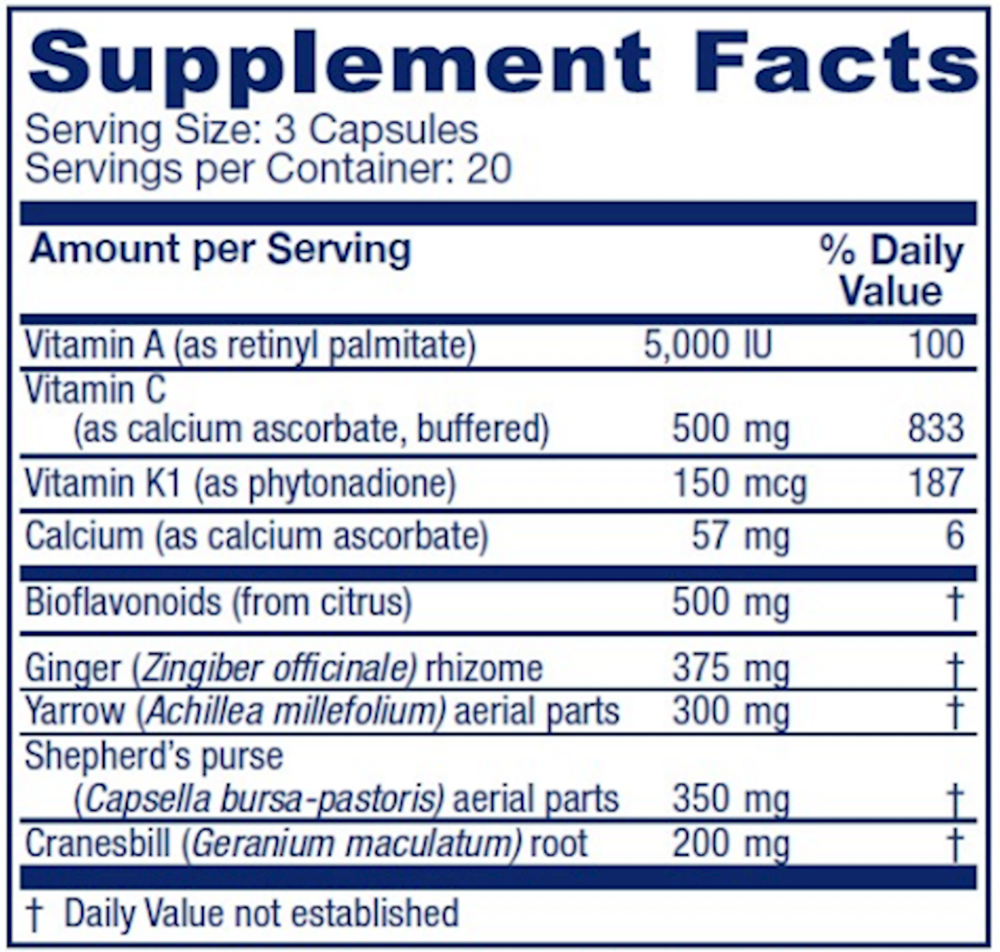
Vitanica
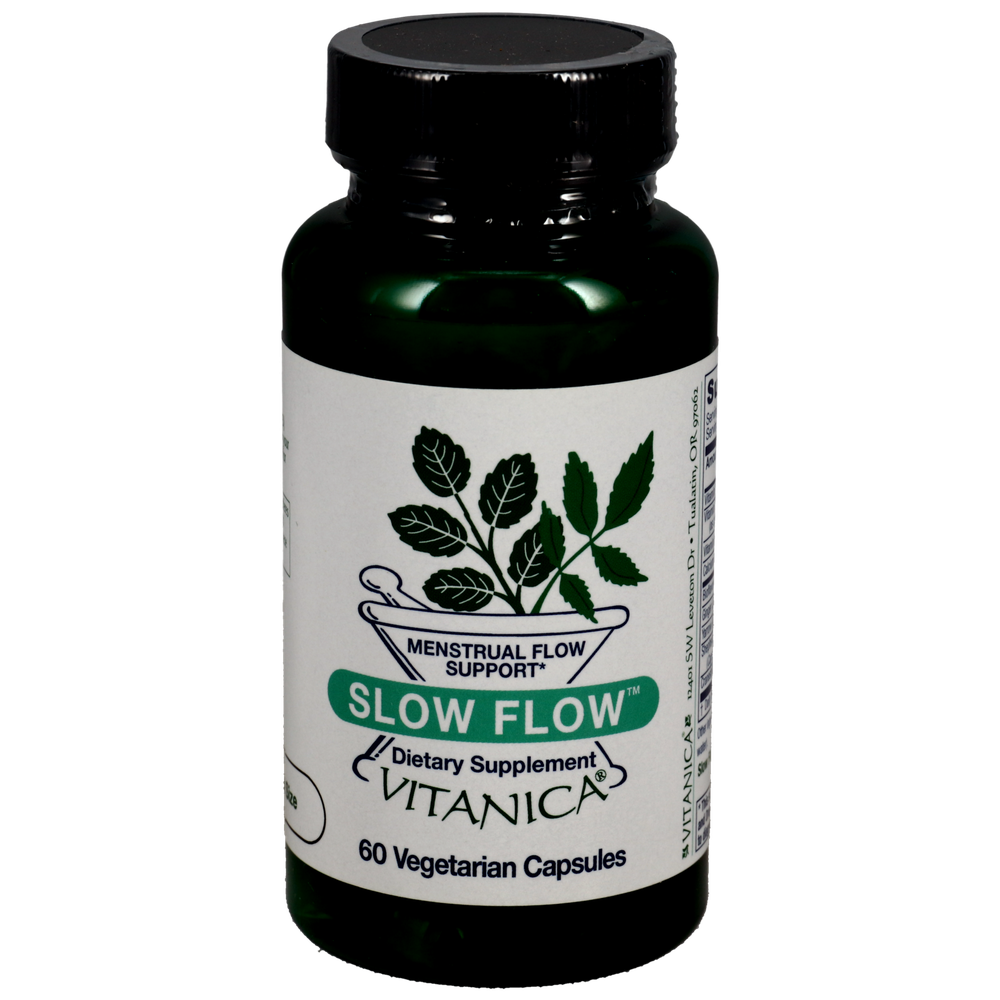
Slow Flow by Vitanica
60 capsules · 20-day supply
Comprehensive Support for Heavy Menstrual Flow and Discomfort$21.99
Purchase options
Practitioner-grade brand3rd-party testedFree shipping $50+
Vegan·Vegetarian·Gluten Free
Vitanica Slow Flow overview
If you’re looking for a supplement for heavy periods, this formula is built for cyclical heavy menstrual bleeding and those longer, flood-like days. It’s practical if you’re waiting on evaluation for fibroids or a copper IUD and need short-term control. Track your Ferritin (iron storage) and a CBC, since persistent heavy flow often leads to low iron. If bleeding is new, very heavy, or irregular between cycles, get checked first to rule out medical causes.
Vitamin K1 (the vitamin your liver uses to activate clotting factors) and vitamin C with citrus bioflavonoids (plant compounds that strengthen tiny blood vessels) aim to reduce brisk bleeding at the source. Ginger (an anti-inflammatory rhizome that can also calm nausea) helps with period discomfort. Yarrow, shepherd’s purse, and cranesbill are classic astringent uterine herbs, meaning they gently tighten tissues and blood vessels. Together, they’re used to steady flow within the first cycle.
For acute heavy days, take three capsules every 3–4 hours during waking hours until the flow settles, typically within 24–48 hours. For ongoing management, up to six capsules per day is the longer-term ceiling. Take with food to reduce stomach upset; ginger usually helps here. Start on day 1 of bleeding. If you also need to replete iron, pair with an iron supplement and recheck Ferritin within 4 to 12 weeks.
Skip this if you’re on warfarin or other vitamin K–antagonist blood thinners, since vitamin K1 opposes their effect. Avoid in pregnancy or if trying to conceive this cycle, given uterine-acting herbs and the added vitamin A. If you have a known bleeding disorder, unexplained postmenopausal bleeding, sudden heavy mid-cycle bleeding, or need more than 2 pads/tampons per hour for several hours, seek medical care promptly.
Frequently asked questions
How fast does this work for heavy periods?
Many notice lighter flow within 24–48 hours on the acute dosing schedule. If your bleeding stays very heavy beyond that, or worsens, stop and get medical care to rule out structural or hormonal causes.
Can I take it with iron?
Yes. They’re often paired: this blend helps manage flow, and iron treats the anemia that heavy periods cause. Take iron at a different time from calcium-containing foods to improve absorption, and recheck Ferritin in 4–12 weeks.
Is it safe with birth control or a hormonal IUD?
Generally yes, there’s no known conflict with hormonal contraception. If you have a copper IUD and heavy flow, this can be used while you discuss options with your clinician. Report any unexpected bleeding changes.
Does vitamin K in this interfere with blood thinners?
It does with warfarin and similar vitamin K–antagonists, so avoid it and talk to your prescriber. It’s not expected to interact the same way with direct oral anticoagulants, but get individualized advice before using.
Can I use it every cycle or only on heavy days?
Use the higher, short-burst dosing on heavy days. For ongoing cycles, do not exceed six capsules per day without clinician guidance. If you need it every month, ask your clinician to evaluate underlying causes.
Will this help cramps too?
It can. Ginger has anti-inflammatory effects and often eases period discomfort. If cramps are severe or new for you, get evaluated to rule out endometriosis, fibroids, or infection.
Any side effects I should watch for?
Occasional stomach upset is possible; taking with food helps. Rarely, allergic reactions to herbs can occur. If you notice unusual bruising, black stools, or persistent heavy bleeding, stop and seek care.
Which labs should I check if my periods are heavy?
Ask for a CBC, Ferritin, and often TSH if cycles are irregular. If bleeding is severe or started in adolescence, testing for von Willebrand disease or other clotting issues may be appropriate.
How to take it & ingredients
Suggested use: Three (3) capsules every three (3) to four (4) hours during heavy menstrual loss. Up to six (6) capsules may be taken per day for longer-term management.
Active ingredients
3 capsules per serving · 20 servings
Vitamin A
As retinyl palmitate
As retinyl palmitate
1500 mcg
Vitamin C
As calcium ascorbate, buffered
As calcium ascorbate, buffered
500 mg
Vitamin K1
As phytonadione
As phytonadione
150 mcg
Calcium
As calcium ascorbate
As calcium ascorbate
57 mg
Bioflavonoids
From citrus
From citrus
500 mg
Ginger rhizome
Zingiber officinale
Zingiber officinale
375 mg
Yarrow aerial parts
Achillea millefolium
Achillea millefolium
300 mg
Shepherd's purse aerial parts
Capsella bursa-pastoris
Capsella bursa-pastoris
350 mg
Cranesbill root
Geranium maculatum
Geranium maculatum
200 mg
Other ingredients: vegan capsule (hydroxypropyl methylcellulose, water)
Certifications
Benefits
Warnings