
Do Blueberries Help With Depression?
Blueberries are a reasonable food to eat when you're feeling low, but a daily blueberry regimen hasn't been shown to reliably relieve depressive symptoms. In the newest trial, sedentary older adults didn't improve significantly more on blueberry powder than on placebo. Earlier studies are split, including one encouraging result. The study's gut findings give researchers something specific to test. For persistent low mood, care with an established track record, such as cognitive behavioral therapy, is better supported for symptom relief.


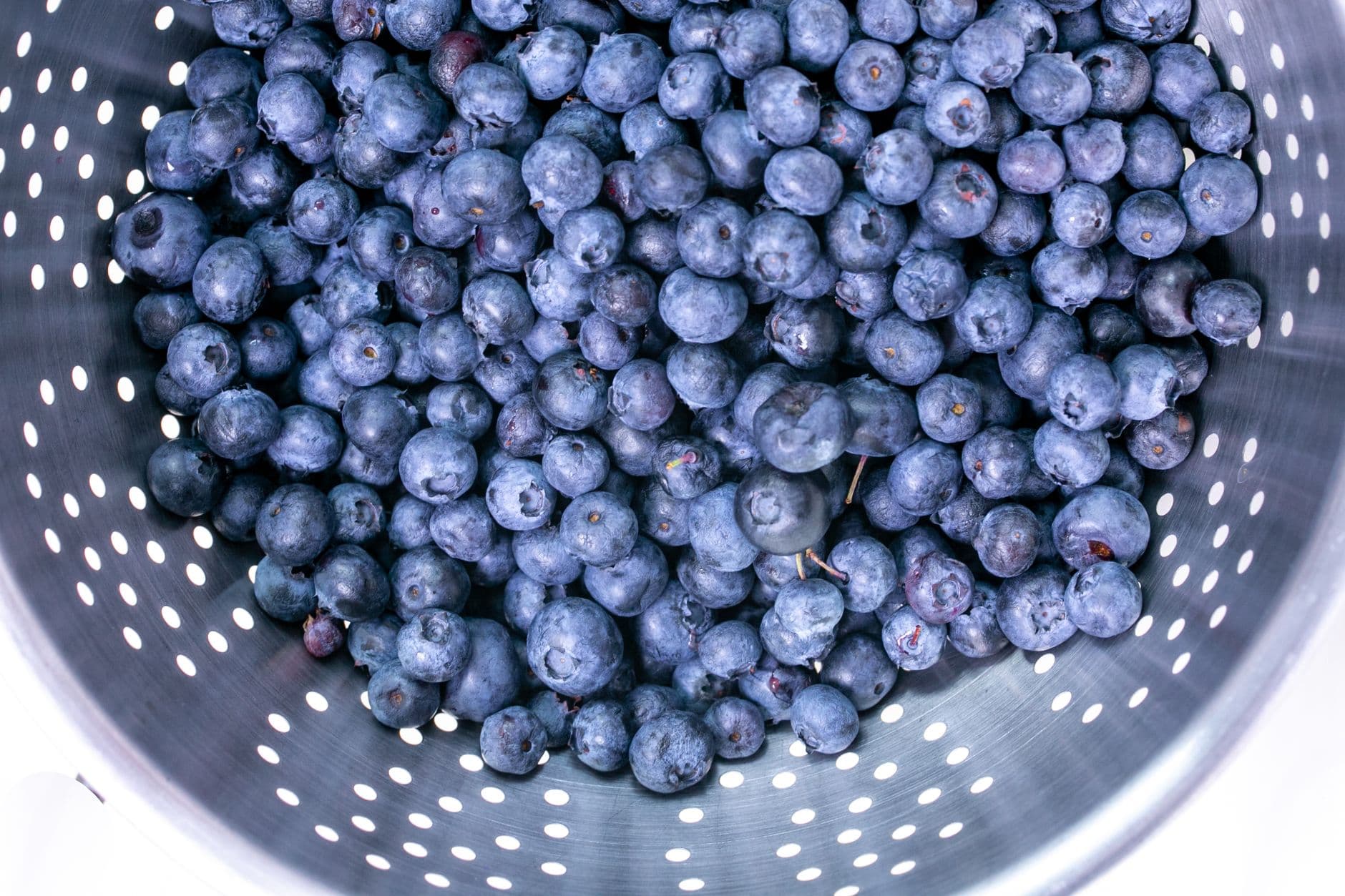
A new randomized pilot trial, published in August in the Journal of Nutrition, Health & Aging, is the latest test of a long-standing idea: that eating blueberries every day might ease depressive symptoms. The trial gave older, sedentary adults with mild symptoms either blueberry powder or a placebo for three months. Symptoms eased in both groups, and the blueberry group didn't improve significantly more than the placebo group. The new element was a close look at gut bacteria. That part of the study supplies a hypothesis for future trials, though it doesn't show that the powder works.
Earlier trials pointed in both directions
Before this pilot, randomized trials gave researchers reasons to keep looking, but they didn't add up to a dependable answer. The contrast between the most relevant trials looks like this:
| Trial and participants | Duration | Depression result versus placebo |
|---|---|---|
| 2025 rural Louisiana crossover trial, adults taking 24 g of powder daily | 12 weeks per treatment | Clinician-rated depression improved more |
| 2026 pilot, 18 sedentary completers aged 65 and older with mild symptoms, 48 g of powder daily | 12 weeks | Both groups improved, with no significant difference |
The Louisiana result is encouraging, but it's one trial, and the others don't line up behind it. A small trial in older adults, lasting about three months, found no significant benefit on a geriatric depression scale. A 2020 systematic review found that four of five blueberry trials measuring mood showed no difference from placebo. A single blueberry drink has raised positive mood two hours later in children and young adults, though a short-term mood change is a different outcome from relief of symptoms that last for weeks. So the open question going into the new study was whether it could tip that mixed record, at least for older people with mild symptoms.
Why 18 people can't settle the question
Twenty people enrolled and 18 finished. Each morning they took either freeze-dried blueberry powder, an amount equal to about two cups of fresh berries, or maltodextrin matched for calories. Adherence topped 85% in both groups, which shows the regimen is doable but says nothing about whether it helps. The blueberry group's scores fell somewhat further and varied less from person to person, though that difference wasn't statistically significant. A nonsignificant result in a trial this small cannot establish that the powders work equally well.
Several features make the result hard to read in either direction. Participants started with few symptoms, which left little room to improve. The sample was mostly White, female, and highly educated, and the groups weren't balanced at the start: the blueberry group reported more anxiety, and smoking histories differed. There was no power calculation. The US Highbush Blueberry Council supplied both powders, and the authors say it had no role in the design, conduct, or analysis.
The gut signal is a lead to test
The researchers sequenced DNA from stool samples. That shows which genes the gut bacteria carry, and so what the bacteria could in principle produce. Most measures showed no clear change. Microbial diversity, the mix of species, broader metabolic pathways, and two fatty acids the bacteria make, propionate and butyrate, showed no significant differences between groups. Acetate, the most abundant of those fatty acids, couldn't be measured, so that gap remains open. Within the blueberry group alone, genes for six enzyme functions shifted in abundance. Those shifts were reported as significant, but after accounting for how many genes were tested the statistical support was weak by conventional standards, and a change inside one group is not the same thing as a difference from placebo.
One of those enzyme functions has a proposed link to gamma-aminobutyric acid (GABA), and that's the most intriguing thread in the paper. The authors call the connection speculative. A rise in how often a gene appears shows capacity. It doesn't show the enzyme was active or that more GABA was made, and GABA wasn't measured. Two more cautions apply. Maltodextrin may not be inert for gut microbes, which could blur the comparison. And one stool sample per visit is a thin snapshot of a community that changes from day to day.
Where blueberries fit if your mood is low
Blueberries are a food with an open, still-plausible case for mood, and they fit comfortably into a diet you'd want anyway. The two-cup daily amount in this trial is a research dose, though, and the evidence doesn't support it as a depression treatment or as a replacement for one you already use. Safety data for high-dose powder are incomplete. In one six-month trial in older adults, more people stopped the blueberry powder than the placebo because of nausea or trouble tolerating it. Approaches such as cognitive behavioral therapy have the evidence that blueberries lack, and low mood that persists or deepens is worth a proper assessment by a clinician.
The study that could change this picture would be a larger, preregistered trial in older adults with depressive symptoms. It would need to show a clinically meaningful difference from placebo, report the size of that difference and any side effects in full, and follow people after the supplement stops, and an independent group would need to repeat it. A gut explanation would take more again: microbial changes that differ from placebo and replicate, direct measurement of metabolites such as GABA, and evidence that those changes track with people feeling better. The Louisiana result is a good reason to run that trial, and this pilot gives it a specific biological question to answer along the way.