
Are GLP-1 Weight Loss Drugs Safe for Your Child's Vitamin Levels?
They can be, if nutrition checks start with the first dose and not months later. In a new study of US kids and teens starting these drugs, about 1 in 6 had a new deficiency diagnosed within a year, mostly low vitamin D. That sounds like the drug drains vitamins. The study can't show that. Many kids with obesity start out low, the drug cuts how much they eat, and almost none got nutrition counseling early enough to catch it.


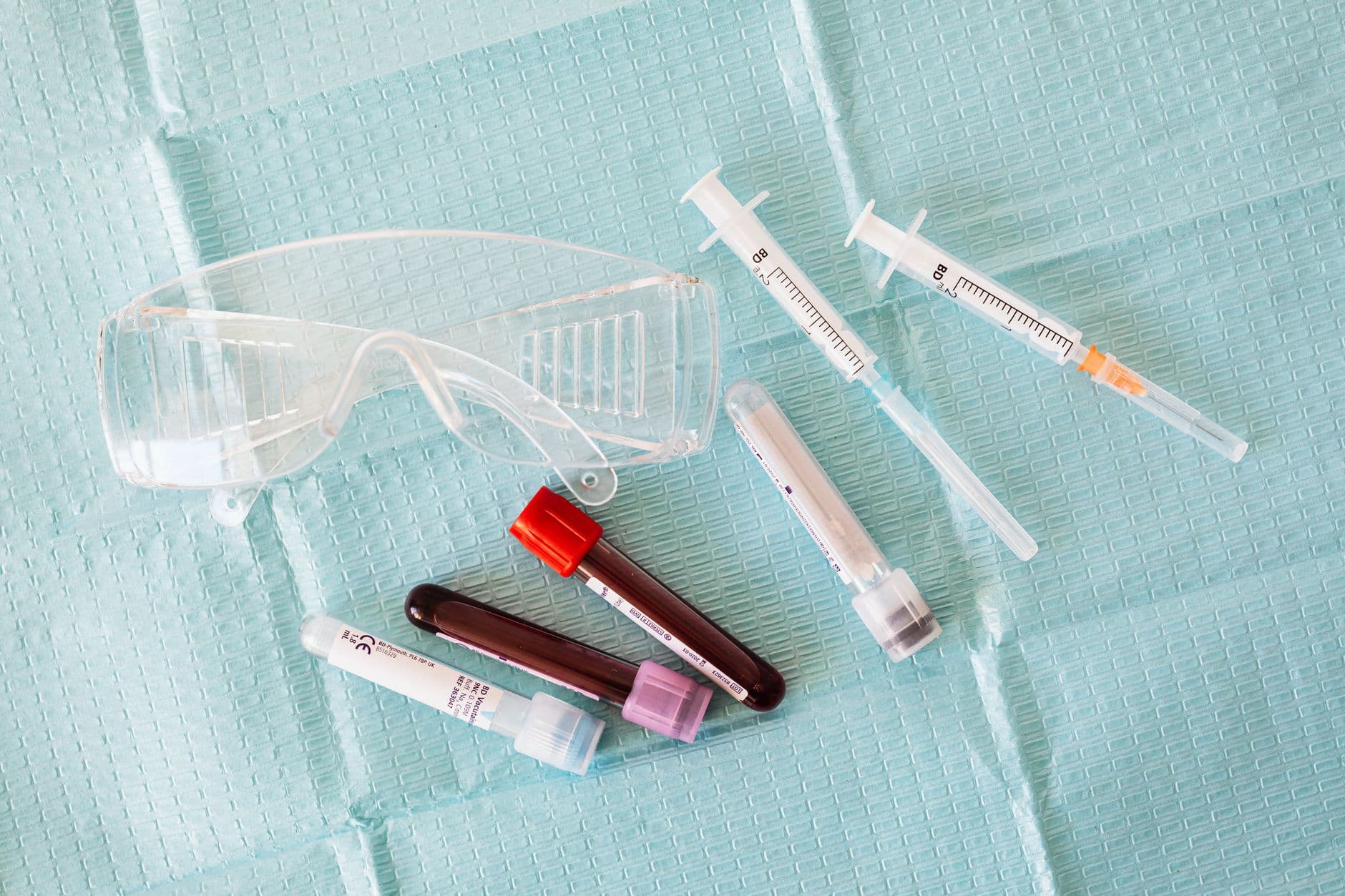
This is the first published study of vitamin and mineral problems in children taking GLP-1 drugs. Its most useful finding is about timing, not harm. These medicines can still be the right choice for a teen with obesity or type 2 diabetes. What the study exposes is a follow-up gap. A deficiency that nobody tested for before treatment gets found after it, and nutrition help shows up months late.
What the new study counted
Researchers at Lurie Children's Hospital of Chicago, publishing in Childhood Obesity, went through US insurance claims from 2017 to 2022. They found 2,031 kids aged 10 to 17 who started a GLP-1 drug with no deficiency on record. About 1 in 10 had a new nutritional deficiency diagnosed by six months. By one year it was the 1 in 6 above.
Vitamin D made up most of it, roughly 12% by the end of the year. Anemia from poor nutrition was rare, around 1.5%. Most kids were on liraglutide, an older daily injection, and only a few were on semaglutide. Two-thirds had type 2 diabetes. So this group doesn't look much like the teens getting prescriptions today. Still, until now there were no published numbers for children at all.
There's a lot it can't tell you. There was no comparison group of similar kids who skipped the drug. And a diagnosis code shows when a deficiency was recorded, usually after someone ordered a test, not when it began. So 1 in 6 is how often a deficiency was found, not how often the drug caused one.
Many of these kids started out low
Children with obesity are often short on key nutrients before they take any medication. Depending on the study, low vitamin D shows up in anywhere from 57% to 94% of them. About 1 in 5 is iron deficient, and B12 deficiency runs roughly 20% to 35%. The first blood test after a child starts a drug can easily catch a problem that was already there.
Then the drug does its job and cuts appetite. In adult studies, GLP-1 drugs reduced how much people ate by roughly 16% to 40%. Eat less and you take in less of everything, and adults on these drugs have been found eating below recommended levels of iron, calcium and vitamin D. A small pilot study in adults also suggested semaglutide may reduce iron absorption. That hasn't been confirmed.
So the likely risk isn't a drug that drains vitamins. It's a child who starts low and then eats much less.
That matters most for a teenager who is still building bone. B12 needs extra attention if your child also takes metformin, which is common with type 2 diabetes and is itself linked to low B12.
How the rest of the evidence compares
| Evidence | Who was studied | What it found | What it can't tell you |
|---|---|---|---|
| New pediatric claims study (Childhood Obesity, 2026) | 2,031 US kids aged 10 to 17 starting a GLP-1 drug, mostly liraglutide | About 1 in 6 had a new deficiency diagnosed within a year, mostly vitamin D | Blood levels over time, since only diagnosis codes were recorded |
| Kids with obesity before any medication | Children and teens not on weight-loss drugs, several cohorts | Shortfalls in vitamin D, iron and B12 were common | How those levels change once a drug cuts appetite |
| Adult GLP-1 claims cohort | Adults with type 2 diabetes starting GLP-1 drugs | Just over 1 in 5 had a new deficiency diagnosed within a year, mostly vitamin D | Whether children follow the same pattern |
| Pediatric GLP-1 randomized trials | Children and teens followed for up to about 68 weeks | No adverse effect on growth or puberty seen | Effects on final adult height, bone density or iron status |
None of this shows GLP-1 drugs harming children's nutrition. None of it rules that out, either. No one has yet followed treated kids with scheduled blood tests.
The bigger gap is late nutrition help
The study's clearest finding wasn't about vitamins at all. About 5% of kids had any nutrition counseling in the first month, and fewer than 1 in 4 had it within six months. The senior author advises starting nutrition support at the same time as the medication instead of waiting for a deficiency to show up. Published monitoring guidance for these drugs says the same, and the American Academy of Pediatrics' 2023 guideline treats medication for teens 12 and older as an add-on to a broader plan that includes nutrition.
The plan these sources describe is short:
- A baseline blood panel before the first dose: 25-OH vitamin D, ferritin for iron stores, a complete blood count, and B12.
- A dietitian visit at the start, with meals built around protein and nutrient-dense foods, not just smaller portions.
- Supplements matched to a gap a test or food record actually shows, rather than a routine multivitamin for every child.
- A recheck if your child's eating drops sharply, plus regular tracking of height and growth.
These are standard blood tests, and you can check them before treatment starts. A starting number gives you and your pediatrician something to compare against six months later.
One warning gets its own line. Long-lasting vomiting or refusing food can drain thiamine quickly, and severe thiamine deficiency has been reported in people on these drugs. If that happens, your child needs to be seen promptly. Don't wait it out.
Keep your child moving, too. In one adult trial, liraglutide alone lowered hip and spine bone density more than exercise alone, while liraglutide plus exercise preserved it. There's no teen data yet.
What would settle whether the drug is to blame
Researchers would need to compare treated kids with similar kids on lifestyle care alone, measure blood levels on a schedule instead of inferring them from diagnosis codes, and study the drugs used today, semaglutide and tirzepatide. Longer follow-up on bone density, final height and anemia in teens would answer the bigger long-term worries.
Until then, read the 1 in 6 as a warning about follow-up, not proof that GLP-1 drugs harm children's nutrition. The risk it points to is a child who starts low and then eats much less. That risk is predictable, which is exactly why it's worth planning for.