
Why Are Strokes Rising in Adults Under 55?
Ischemic strokes in adults under 55 are rising because the vascular damage of middle age is arriving earlier: higher blood pressure, more weight, elevated blood sugar, and smoking now show up in your 30s and 40s. The useful part is that the same levers work harder in a younger body. Addressing them together cuts stroke risk by roughly 70% to 80%.


Stroke rates in older adults have been falling for 30 years, a slow victory of blood pressure control, statins, and less smoking. In adults under 55, the line stopped falling around 2015 and turned back up. That reversal is what pulled this story into the news, and it isn't mysterious. Old-age vascular damage is arriving in people who assume they're too young for a stroke.
What the doubling actually looks like
The headline is that young-adult stroke has nearly doubled. The full picture is quieter. Global age-standardized ischemic stroke incidence in adults aged 20 to 54 rose about 15% between 1990 and 2019, with the curve rebounding after 2015 at roughly 0.65% per year. The near-doubling is real in specific high-income cohorts: Oxfordshire in the UK and Greater Cincinnati/Northern Kentucky in the US each recorded increases of 90% to 97% since the early 2000s. In nationwide US hospital data, acute ischemic stroke admissions in young men aged 18 to 44 rose by roughly 40% between 1995 and 2012.
Some of the rise reflects better detection. MRI catches small strokes that a generation ago would have been called a transient ischemic attack or nothing, and coding rules shifted. But the increase isn't just paper. It persists in registries that adjust for imaging use, and US CDC data through 2023 show stroke death rates rising again in adults aged 45 to 64, reversing decades of decline.
The drivers are old and familiar
Two risk factors dominate: high blood pressure and physical inactivity. Hypertension alone carries a population attributable risk of nearly 50% in this age group.
The US data make it concrete. Between 1995 and 2012, the share of young stroke patients presenting with three or more of the standard risk factors roughly doubled. Those factors are the familiar ones: high blood pressure, diabetes, high lipids, obesity, and tobacco. The exposures changed. The disease is following.
Why the same levers work harder in a younger body
Guidelines tend to soften this point. In a younger body, each of these risk factors matters more, not less. A large Japanese analysis found that the hazard of cardiovascular events tied to obesity, high blood pressure, and diabetes all fell with age. The relative penalty for having them is largest in your 30s and 40s. INTERSTROKE reached the same conclusion from the other side: no vascular risk factor got weaker as people aged.
The mirror image is that prevention works harder in a young body too. Your baseline stroke rate is low, so the absolute number of strokes a lifestyle change averts this year is small. But the relative benefit compounds across decades. Here is what the human evidence supports for the levers with the best data:
| Risk factor | Share of young-adult stroke it accounts for | How much addressing it lowers stroke risk |
|---|---|---|
| High blood pressure | About half of the risk in adults under 55 (INTERSTROKE) | Getting under 130 systolic cuts stroke risk about a quarter to nearly half |
| Smoking | Present in roughly half of young stroke patients | Quitting completely cuts risk about 40% |
| Diet | Poor patterns compound blood pressure, weight, and lipids | A Mediterranean-style pattern cuts stroke risk 30% to 42% (PREDIMED) |
| All five together | Together they explain most preventable young stroke | Adhering to all five cuts risk 70% to 80% |
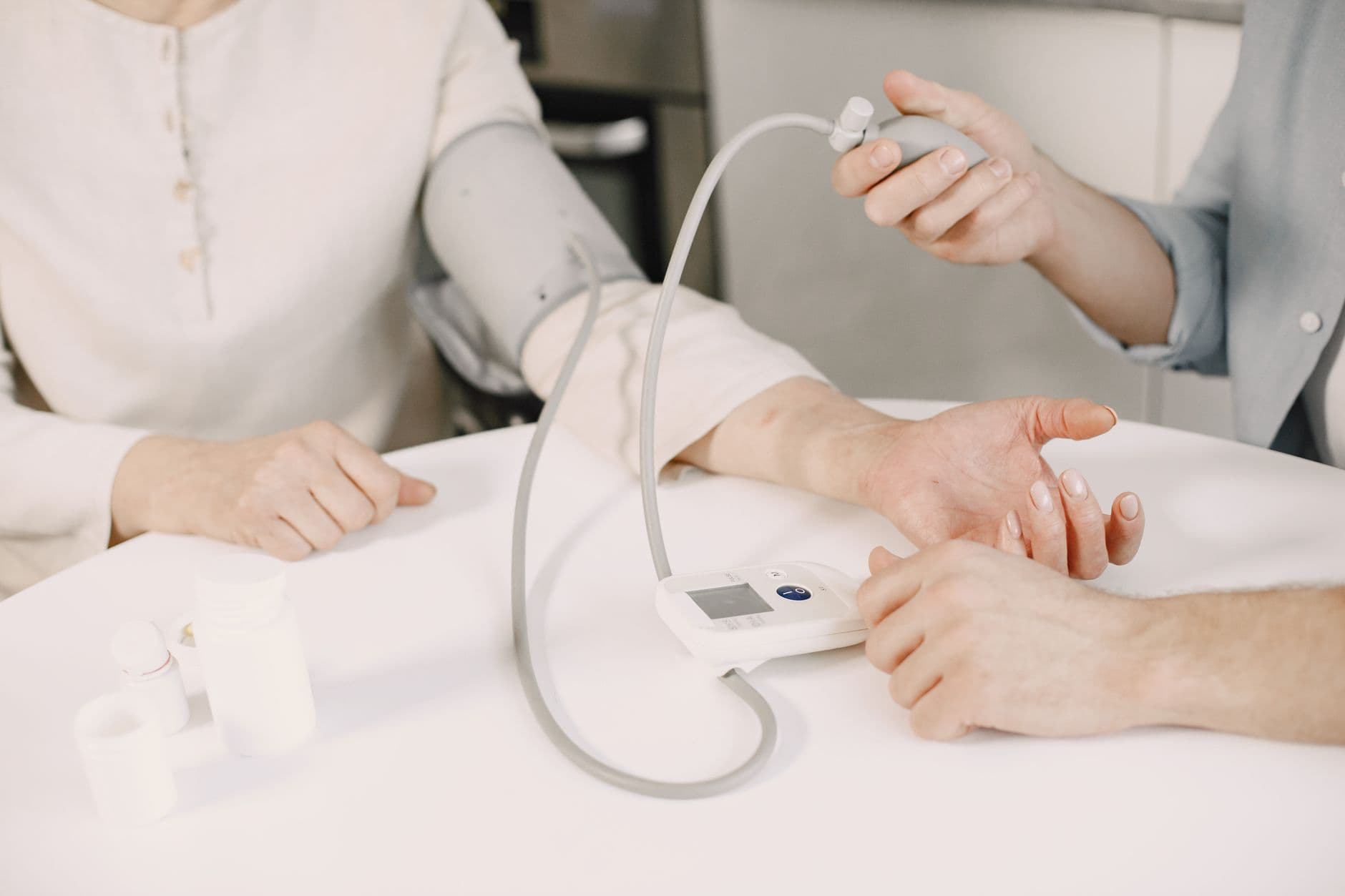
The most useful single move on that list is knowing your systolic blood pressure and getting it under 130. You don't need to wait on a clinician to check yours. A decent home cuff and a few careful readings will tell you where you stand. The same goes for HbA1c and standard lipids: cheap to test, and abnormal results are actionable long before they'd trigger a prescription.
The 2024 AHA/ASA primary-prevention guideline, the first update in a decade, now recommends estimating cardiovascular risk starting at age 30 using the PREVENT calculator, which reports both a 10-year and a 30-year risk. That's a specific fix for the old problem of a 10-year score dismissing a 35-year-old with a bad blood pressure and a family history as low risk because the disease is still a decade off. The same guideline flags adverse pregnancy outcomes such as preeclampsia, gestational hypertension, and gestational diabetes as risk factors that belong in the calculation for younger women.
What it comes down to
Young-adult stroke is rising for a mundane, correctable reason: the vascular damage of middle age is arriving early. That is also why prevention works so well here. The same blood pressure, weight, glucose, and tobacco levers that barely moved older strokes are, in a 35-year-old, still early enough to change the ending.